
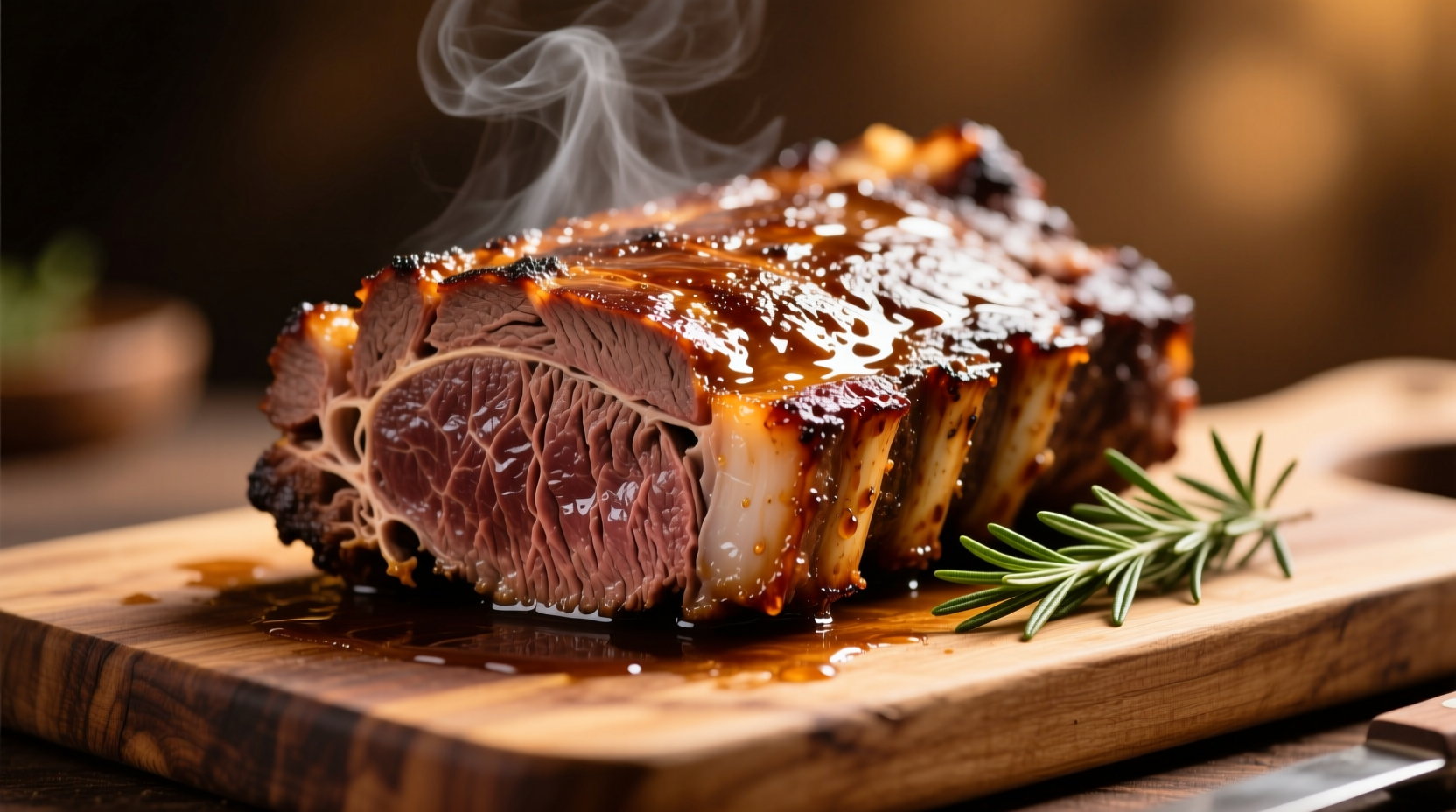
For a 3-4 pound chuck roast, cook at 325°F for 3 to 4 hours until internal temperature reaches 195-205°F for fork-tender results. Cooking time varies based on weight, cooking method, and desired doneness—slow cooking breaks down collagen for melt-in-your-mouth texture.
Ever pulled a chuck roast from the oven only to find it tough and chewy? You're not alone. Proper cooking time transforms this affordable cut from stubbornly chewy to succulently tender. As a professional chef who's cooked thousands of roasts, I've discovered the precise timing that separates dinner disasters from culinary triumphs.
The Science Behind Perfect Chuck Roast Timing
Chuck roast comes from the shoulder area of the cow, rich in collagen and connective tissue. Unlike filet mignon, this cut requires low-and-slow cooking to transform tough fibers into gelatin. The magic happens between 160°F and 205°F—that's when collagen melts while fat renders, creating that signature fall-apart texture.
According to USDA Food Safety and Inspection Service guidelines, beef should reach 145°F for medium-rare, but chuck roast needs significantly higher temperatures for proper texture transformation. The Beef Checkoff Program confirms that 195-205°F is the sweet spot for maximum tenderness in tough cuts like chuck.
Your Cooking Method Determines Timing
Not all cooking methods deliver the same results. Here's how timing varies across popular techniques:
| Cooking Method | Temperature | Time per Pound | Total Time (3-4 lb) | Best For |
|---|---|---|---|---|
| Oven Roasting | 300-325°F | 45-60 minutes | 3-4 hours | Crispy exterior, rich gravy |
| Slow Cooker | Low setting | 1.5-2 hours | 6-8 hours | Hands-off cooking |
| Instant Pot | High pressure | 20-25 minutes | 60-75 minutes | Time-crunched cooks |
| Braised Stovetop | Gentle simmer | 45 minutes | 3-4 hours | Flavorful braising liquid |
Critical Timing Factors You Must Consider
Several variables affect your chuck roast cooking duration:
Weight Matters More Than You Think
A 2-pound roast cooks significantly faster than a 5-pounder. Use this timeline as your cooking roadmap:
- 0-90 minutes: Surface sears, exterior reaches 140°F
- 90-180 minutes: Collagen begins breaking down at 160°F
- 180-240 minutes: Optimal tenderness window (195-205°F)
- 240+ minutes: Risk of drying out if liquid evaporates
Don't Guess—Test for True Doneness
Time alone isn't reliable. Use these foolproof doneness indicators:
- Fork test: Tines should slide in with almost no resistance
- Meat thermometer: 195-205°F in thickest part
- Shrinking: Roast reduces by about 25% when fully cooked
- Jiggle test: Meat should wobble like jelly when shaken
Avoid These Timing Mistakes
Even experienced cooks make these critical errors:
- Peeking too often: Every oven opening adds 15-20 minutes to cooking time
- Skipping the sear: Proper browning creates flavor compounds that develop during slow cooking
- Underestimating resting time: 20-30 minutes resting allows juices to redistribute
- Ignoring oven calibration: Many ovens run 25°F hotter or cooler than set
For food safety, always follow USDA guidelines for proper beef handling. Keep raw meat refrigerated below 40°F and cook to appropriate temperatures to prevent foodborne illness. The National Cattlemen's Beef Association confirms that properly cooked chuck roast reaches safe consumption levels once internal temperature exceeds 145°F, though higher temperatures are needed for optimal texture.
Pro Tips for Perfect Results Every Time
- Pat roast dry before searing for superior crust formation
- Add 1 cup liquid (broth, wine, or water) to prevent drying
- Place roast fat-side up to self-baste during cooking
- Use a roasting rack to promote even heat circulation
- Check temperature in multiple spots—thick areas cook slower




 浙公网安备
33010002000092号
浙公网安备
33010002000092号 浙B2-20120091-4