
Roast a 20-pound turkey at 325°F for 4–5 hours until the thickest part of the breast reaches 165°F and the thigh hits 175°F. Thaw it in the refrigerator for 4–5 days beforehand, and let it rest 30–45 minutes after cooking for juicier results. Proper temperature control prevents dry meat and ensures food safety.
Planning Thanksgiving dinner? Cooking a 20-pound turkey perfectly requires precise timing and technique. Get ready to serve a moist, flavorful centerpiece that impresses your guests without last-minute stress. This guide delivers exactly what you need: proven cooking times, foolproof temperature checks, and professional tricks for consistent results.
Your Complete Roadmap to Roasting Success
Follow this step-by-step journey from refrigerator to table. We've organized it along your natural cooking workflow—no confusing theory, just actionable steps when you need them.
Phase 1: The Critical Thawing Timeline (4–5 Days Before)
A frozen 20-pound turkey needs serious planning. The USDA Food Safety and Inspection Service mandates 24 hours of refrigerator thawing per 4–5 pounds. For your bird, that's 4–5 days in the fridge at 40°F or below. Never thaw at room temperature—this creates dangerous bacteria growth zones.
Alternative method: Submerge the wrapped turkey in cold water, changing the water every 30 minutes. This takes about 8–10 hours but requires constant attention. The refrigerator method delivers more consistent results and reduces food safety risks significantly.
Phase 2: Preparation That Makes the Difference (1 Day Before)
Seasoning early transforms your turkey. Create a compound butter with softened butter, minced garlic, fresh thyme, and lemon zest. Gently loosen the skin over the breast and rub half the mixture directly onto the meat. Refrigerate uncovered overnight—this dry-brine technique enhances both flavor and texture.
Insert this 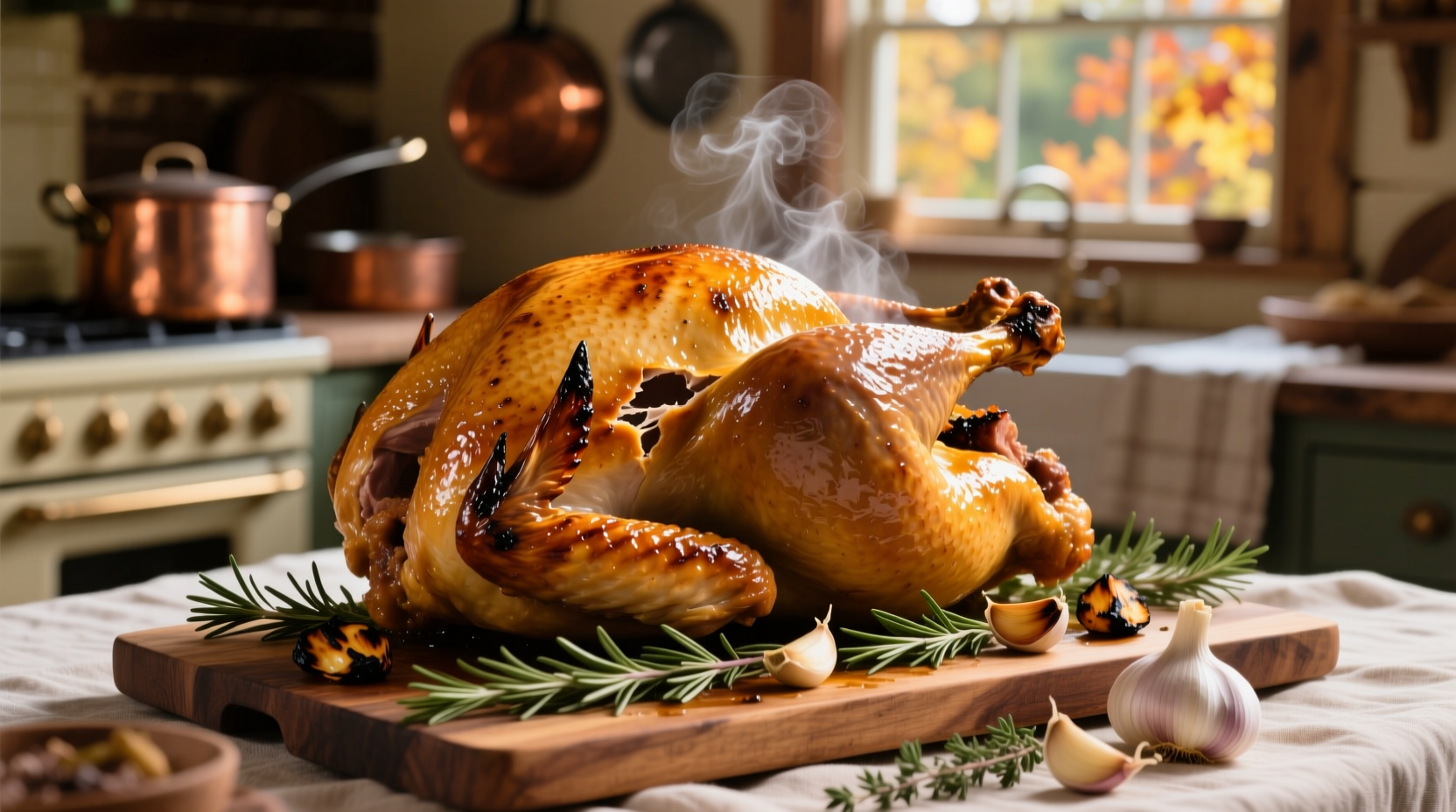 the night before cooking. The exposed skin dries slightly, promoting crispiness during roasting. Fill the cavity with aromatics like quartered onions, celery stalks, and bay leaves—but never stuff the bird itself for a turkey this size. USDA guidelines prohibit stuffing large turkeys due to uneven cooking risks.
Phase 3: The Roasting Timeline (Cooking Day)
Preheat your oven to 325°F—the optimal temperature for even cooking without drying. Place the turkey breast-side up on a rack in a roasting pan. Add 2 cups of broth to the pan bottom to prevent smoking and create steam.
| Cooking Method | Estimated Time for 20lb Turkey | Best For |
|---|---|---|
| Traditional Roasting | 4–5 hours | Classic presentation |
| Spatchcocked (Butterflied) | 2–2.5 hours | Faster cooking, crispier skin |
| Reverse Sear | 5–6 hours | Most even doneness |
After 2 hours, check the turkey's progress. If browning too quickly, tent loosely with foil. Rotate the pan 180 degrees for even heat distribution. Baste only during the last hour to avoid temperature fluctuations.
Phase 4: Precision Temperature Checks (The Make-or-Break Moment)
Timing alone won't guarantee perfection. Insert an instant-read thermometer into three critical spots:
- Chest muscle (avoiding bone): 160–165°F
- Thickest thigh portion: 170–175°F
- Wing joint: 165°F
The USDA Food Safety and Inspection Service confirms 165°F as the minimum safe temperature for poultry, but thighs require higher heat for optimal texture. Remember—turkey continues cooking while resting, so remove it 5–7 degrees below target temperatures.
Phase 5: The Non-Negotiable Resting Period
Resist the carving urge! Let your turkey rest 30–45 minutes tented with foil. This allows juices to redistribute throughout the meat. During this time, the internal temperature will rise 5–10 degrees while the muscle fibers relax—the secret to moist meat.
While resting, make gravy using the pan drippings. Skim excess fat, then whisk in 1–2 cups of broth and 3 tablespoons of flour slurry. Simmer until thickened for a rich, flavorful sauce.
Troubleshooting Common Problems
Dry breast meat? Next time, try brining or covering the breast with foil during the first half of cooking. The breast cooks faster than dark meat—a fundamental challenge with large turkeys.
Undercooked thighs? If the breast is done but thighs aren't, remove the breast portions and return thighs to the oven. This technique prevents overcooking the breast while finishing the dark meat.
Uneven browning? Rotate the pan every hour and ensure your oven rack is centered. Convection ovens reduce this issue but require lowering the temperature by 25°F.
When Standard Methods Won't Work
These techniques assume a conventional oven. For alternative setups:
- Convection ovens: Reduce temperature by 25°F and check 30 minutes early
- Grill/Smoker: Maintain 275–300°F with indirect heat; expect 5–6 hours
- Deep fryer: Not recommended for 20-pound turkeys due to safety risks
High-altitude cooking requires adjustments too—above 3,000 feet, increase cooking time by 5–10% and check temperatures more frequently.




 浙公网安备
33010002000092号
浙公网安备
33010002000092号 浙B2-20120091-4