
Curious about exotic meats but wondering what does iguana taste like exactly? You're not alone. This unique protein source has been part of traditional diets across tropical regions for centuries, yet remains unfamiliar to most Western palates. Understanding iguana's flavor profile helps adventurous eaters make informed decisions about trying this sustainable meat option.
Understanding Iguana as a Culinary Ingredient
Iguana consumption spans Caribbean, Central American, and South American culinary traditions where these reptiles have been sustainably harvested for generations. Unlike many exotic meats, iguana offers a surprisingly approachable flavor that appeals to those hesitant about trying unusual proteins. The green iguana (Iguana iguana) is the primary species consumed, valued for its lean, white meat.
Nutritionally, iguana meat provides a high-protein, low-fat alternative to conventional meats. According to anthropological studies from the University of Puerto Rico, iguana contains approximately 20 grams of protein per 3-ounce serving with significantly less saturated fat than beef or pork. This makes it not only a traditional food source but also a potentially healthier protein option.
| Meat Type | Flavor Profile | Texture | Common Preparation |
|---|---|---|---|
| Iguana | Mild, slightly sweet, subtle gamey notes | Firm white meat, similar to chicken breast | Stewed, grilled, in soups |
| Chicken | Mild, neutral | Varies by cut (breast vs thigh) | Roasted, grilled, fried |
| Fish (like cod) | Mild, slightly briny | Flaky | Baked, grilled, fried |
Sensory Experience: What to Expect When Tasting Iguana
When evaluating what does iguana taste like compared to familiar proteins, several factors influence the experience:
- Flavor notes: The meat has a clean, mild taste with subtle sweetness. Unlike stronger game meats, iguana lacks overwhelming gaminess when properly prepared.
- Texture: Firm yet tender white meat that's comparable to chicken breast but slightly denser. The texture remains moist when not overcooked.
- Aroma: Minimal odor when raw, developing pleasant roasted notes when cooked with traditional seasonings.
Field research conducted by anthropologists in Costa Rica's Caribbean region notes that younger iguanas (under 2 feet in length) produce the most tender meat with the mildest flavor. Older specimens can develop tougher texture and stronger taste, making proper selection crucial for the best culinary experience.
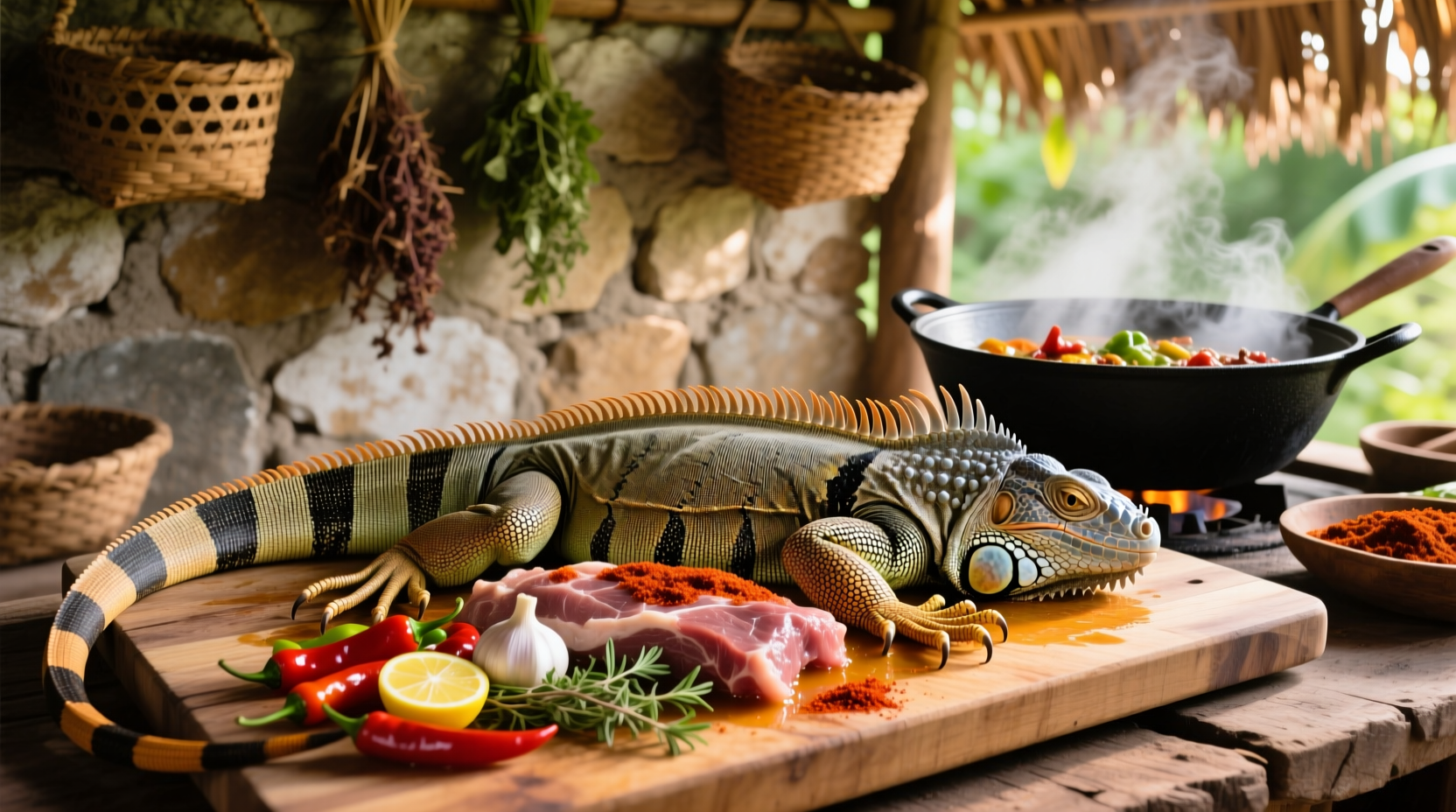
Cultural Context and Traditional Preparations
Iguana features prominently in traditional dishes across tropical regions, each with distinctive preparation methods that enhance the meat's natural flavor:
- Puerto Rico: Barbudos (bearded lizards) are stewed with sofrito, yuca, and plantains in a dish called iguana guisada
- Cuba: Iguana meat appears in ropa vieja-style preparations with tomatoes, peppers, and spices
- Central America: Often cooked in coconut milk with local spices for a rich, flavorful broth
These traditional preparations demonstrate how local cuisines have perfected techniques for maximizing iguana's delicate flavor while ensuring proper food safety. The University of Florida's Institute of Food and Agricultural Sciences confirms that proper cooking to 165°F internal temperature eliminates any food safety concerns.
Practical Considerations for Trying Iguana
Before seeking out iguana meat, consider these important factors that affect what does iguana taste like in practice:
Legal and Ethical Sourcing
Iguana consumption legality varies significantly by region. In Florida, green iguanas are considered invasive and can be humanely harvested year-round on private lands with landowner permission. However, many Caribbean islands protect native iguana populations, making consumption illegal. Always verify local regulations before pursuing iguana meat.
Preparation Techniques That Make the Difference
The preparation method dramatically influences iguana's final taste. Traditional approaches include:
- Marinating: Acidic ingredients like citrus juice or vinegar help tenderize the meat
- Slow cooking: Stewing or braising maintains moisture in this lean protein
- Flavor pairing: Strong local spices complement rather than mask the delicate flavor
Professional chefs specializing in Caribbean cuisine recommend removing the dark meat from the legs for the mildest flavor experience, as it can be slightly stronger than the white meat from the body.
Safety and Handling Guidelines
Proper handling is essential for both safety and optimal flavor. The Centers for Disease Control and Prevention (CDC) advises treating iguana like any other wild game meat:
- Always cook to 165°F internal temperature
- Use separate cutting boards and utensils for raw meat
- Freeze meat at 0°F for at least 24 hours before preparation to eliminate potential parasites
Where to Find Iguana Meat and Alternatives
For those interested in experiencing what does iguana taste like firsthand, options vary by location:
- Florida: Some specialty exotic meat suppliers offer legally harvested iguana
- Caribbean: Traditional markets in regions where consumption is legal
- Alternatives: Alligator meat provides a similar texture and mild flavor profile
If iguana isn't accessible in your area, consider these comparable alternatives that answer the question what does iguana taste like through similar flavor experiences:
- Alligator tail: Nearly identical texture with slightly stronger flavor
- Frog legs: Similar delicate texture but more pronounced fish-like taste
- Young chicken breast: Closest widely available substitute for texture
Final Thoughts on Iguana's Culinary Profile
Understanding what does iguana taste like reveals a surprisingly approachable meat that bridges the gap between poultry and seafood. Its mild flavor, firm texture, and nutritional benefits make it worth considering for adventurous eaters. When properly sourced and prepared, iguana offers a unique culinary experience rooted in centuries of traditional knowledge across tropical regions.
As with any unfamiliar protein, starting with traditionally prepared dishes from authentic sources provides the best introduction to iguana's distinctive flavor profile. Whether motivated by culinary curiosity, sustainability concerns, or cultural exploration, iguana meat presents a fascinating option for those expanding their culinary horizons.
Frequently Asked Questions
Is iguana meat safe to eat?
Yes, iguana meat is safe to eat when properly handled and cooked to 165°F internal temperature. Like any wild game, it should be frozen at 0°F for at least 24 hours before preparation to eliminate potential parasites. Always follow proper food safety protocols when handling and cooking iguana meat.
How does iguana taste compared to chicken?
Iguana tastes similar to chicken but with subtle differences. It has a slightly sweeter flavor with delicate gamey notes, while maintaining a firm white meat texture comparable to chicken breast. Many describe it as falling between chicken and fish in flavor profile, with less fat content than most chicken cuts.
Where can I legally buy iguana meat?
In Florida, iguana meat is legally available through some exotic meat suppliers as green iguanas are considered invasive. Availability varies by state and country, with restrictions in place to protect native iguana populations in many Caribbean islands. Always verify local regulations before purchasing or harvesting iguana.
Does iguana meat have a strong gamey flavor?
No, properly prepared iguana meat has a surprisingly mild flavor. Unlike stronger game meats, it features a clean, slightly sweet taste with only subtle gamey notes. Younger iguanas (under 2 feet) produce the mildest flavor, while proper preparation techniques like marinating and slow cooking further minimize any gaminess.
What's the best way to cook iguana meat?
The best cooking methods for iguana include slow stewing, braising, or grilling after marinating. Traditional Caribbean preparations involve cooking iguana in sofrito-based sauces with root vegetables. Due to its lean nature, avoid high-heat, quick cooking methods that can make the meat tough. Marinating in acidic ingredients helps tenderize the meat before cooking.




 浙公网安备
33010002000092号
浙公网安备
33010002000092号 浙B2-20120091-4