
Chayote squash cooks best when peeled, sliced, and prepared using methods like roasting at 400°F for 25 minutes, sautéing for 8-10 minutes, or boiling for 15 minutes until tender. Its mild flavor absorbs seasonings well, making it versatile for stir-fries, soups, and roasted vegetable dishes.
Discover how to transform this underutilized Latin American vegetable into delicious meals with minimal effort. Chayote squash, also known as mirliton or vegetable pear, offers a crisp texture and subtle flavor that works beautifully in countless dishes. Whether you're a beginner cook or seasoned chef, these practical techniques will help you prepare chayote squash perfectly every time.
Why Chayote Squash Deserves a Place in Your Kitchen
Native to Mesoamerica, chayote squash (Sechium edule) has been cultivated for centuries throughout Latin America. This versatile member of the gourd family offers remarkable culinary flexibility with just 19 calories per 100g and significant vitamin C content according to USDA nutritional data. Unlike many vegetables, chayote maintains its structure through various cooking methods while absorbing complementary flavors.
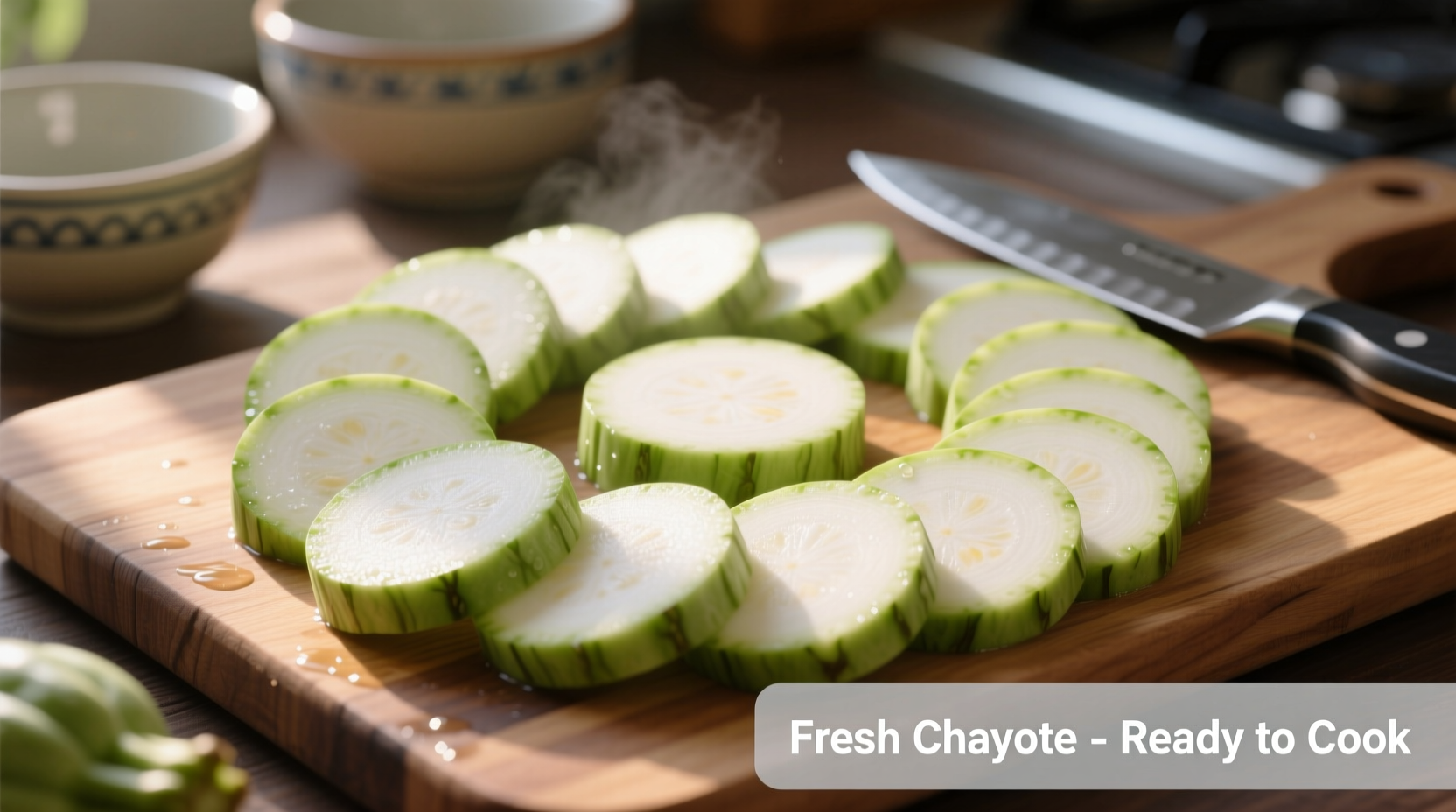
Step-by-Step Preparation Guide
Before cooking, proper preparation ensures the best texture and flavor:
Peeling and Cutting Techniques
Chayote's smooth skin contains a sticky sap that can cause mild irritation. To prepare safely:
- Wear thin kitchen gloves to prevent stickiness
- Trim both ends with a sharp knife
- Peel from top to bottom using a vegetable peeler
- Cut lengthwise into quarters
- Remove the single, soft seed in the center
- Slice or dice according to your recipe needs
| Cooking Method | Time | Temperature | Best For |
|---|---|---|---|
| Roasting | 20-25 minutes | 400°F | Caramelized flavor, side dishes |
| Sautéing | 8-10 minutes | Medium-high | Stir-fries, quick meals |
| Boiling | 12-15 minutes | Simmering | Soups, purees, baby food |
| Grilling | 6-8 minutes | Medium | Summer dishes, salads |
Mastering Four Essential Cooking Methods
Perfect Roasted Chayote
Roasting develops chayote's natural sweetness through caramelization. Preheat oven to 400°F. Toss peeled, cubed chayote with 1 tablespoon olive oil, salt, and your choice of seasonings. Spread in a single layer on a parchment-lined baking sheet. Roast 20-25 minutes, flipping halfway, until golden brown and fork-tender. This method works exceptionally well with garlic powder, cumin, or smoked paprika.
Quick Sauté Technique
For weeknight meals, sautéing delivers restaurant-quality results in minutes. Heat 1 tablespoon oil in a skillet over medium-high heat. Add sliced chayote and cook 3-4 minutes per side until lightly browned. Reduce heat, add aromatics like minced garlic or shallots, and continue cooking 2-3 minutes until tender-crisp. Finish with fresh lime juice and cilantro for authentic Latin American flavor.
Boiling for Soups and Purees
Boiling preserves chayote's delicate texture for liquid-based dishes. Place peeled, cubed chayote in a pot with enough water to cover. Bring to a gentle boil and cook 12-15 minutes until fork-tender but not mushy. Drain thoroughly before adding to soups or pureeing. For creamier textures, add a splash of milk or broth when pureeing. This technique shines in Mexican sopa de guatila or Caribbean callaloo variations.
Grilling for Summer Flavors
Grilled chayote develops beautiful char marks while maintaining its crisp texture. Slice lengthwise into 1/2-inch planks. Brush with olive oil and season. Grill over medium heat 3-4 minutes per side until tender with visible grill marks. Serve as a side dish with chimichurri sauce or chop for grilled vegetable salads. The ancient Maya civilizations first developed this cooking technique, which modern chefs have refined for contemporary kitchens.
Three Simple Recipe Ideas to Try Tonight
Chayote and Black Bean Tacos
Sauté diced chayote with onions and garlic until tender-crisp. Add canned black beans (rinsed), cumin, and chili powder. Warm corn tortillas and fill with the chayote mixture. Top with avocado slices, fresh cilantro, and lime wedges. This dish reflects traditional Mesoamerican cooking principles documented by food historians at the University of Texas at Austin's Latin American Studies program.
Creamy Chayote Soup
Saute onions and garlic in olive oil until translucent. Add peeled, cubed chayote and vegetable broth. Simmer until tender, then puree until smooth. Return to heat and stir in coconut milk for creaminess. Season with salt, pepper, and a pinch of cayenne. Garnish with toasted pumpkin seeds. This adaptation of ancient preparation methods provides a modern twist on traditional Central American recipes.
Chayote and Shrimp Stir-Fry
Cut chayote into thin matchsticks. Stir-fry with shrimp, bell peppers, and snap peas in sesame oil. Create a sauce with soy sauce, rice vinegar, ginger, and a touch of honey. Toss everything together and serve over brown rice. The technique follows principles documented by culinary anthropologists studying Pacific coastal communities where chayote has been cultivated since pre-Columbian times.
Nutritional Benefits Worth Noting
According to USDA FoodData Central, one cup of cooked chayote provides 25% of your daily vitamin C needs and 18% of dietary fiber, with only 39 calories. Its high water content (94%) makes it exceptionally hydrating, while the fiber content supports digestive health. Unlike many starchy vegetables, chayote has a low glycemic index of 37, making it suitable for blood sugar management.
Storage Tips for Maximum Freshness
Store uncut chayote at room temperature away from direct sunlight for up to 2 weeks. Once cut, wrap tightly in plastic and refrigerate for 3-4 days. For longer storage, blanch cubed chayote for 2 minutes, cool in ice water, then freeze in airtight containers for up to 10 months. Properly stored chayote maintains both texture and nutritional value significantly better than many common vegetables.
Common Questions About Cooking Chayote Squash
Many home cooks wonder about the best ways to incorporate this versatile vegetable into their meal rotation. Here are answers to frequently asked questions that address practical concerns and help build cooking confidence with this unique ingredient.




 浙公网安备
33010002000092号
浙公网安备
33010002000092号 浙B2-20120091-4