
Perfectly cooked shaved steak requires high-heat cooking for 1-3 minutes per side, slicing against the grain, and proper marinating to prevent toughness. This guide reveals professional techniques that transform thin-cut steak into tender, flavorful meals in under 15 minutes.
Why Your Shaved Steak Turns Out Tough (And How to Fix It)
Shaved steak—thinly sliced cuts like flank or skirt steak—presents unique cooking challenges. Unlike thicker steaks, these delicate slices cook extremely fast and can become chewy if handled incorrectly. The secret lies in understanding meat science: when protein fibers contract at high temperatures, they squeeze out moisture. With shaved steak's minimal thickness, this happens in seconds.
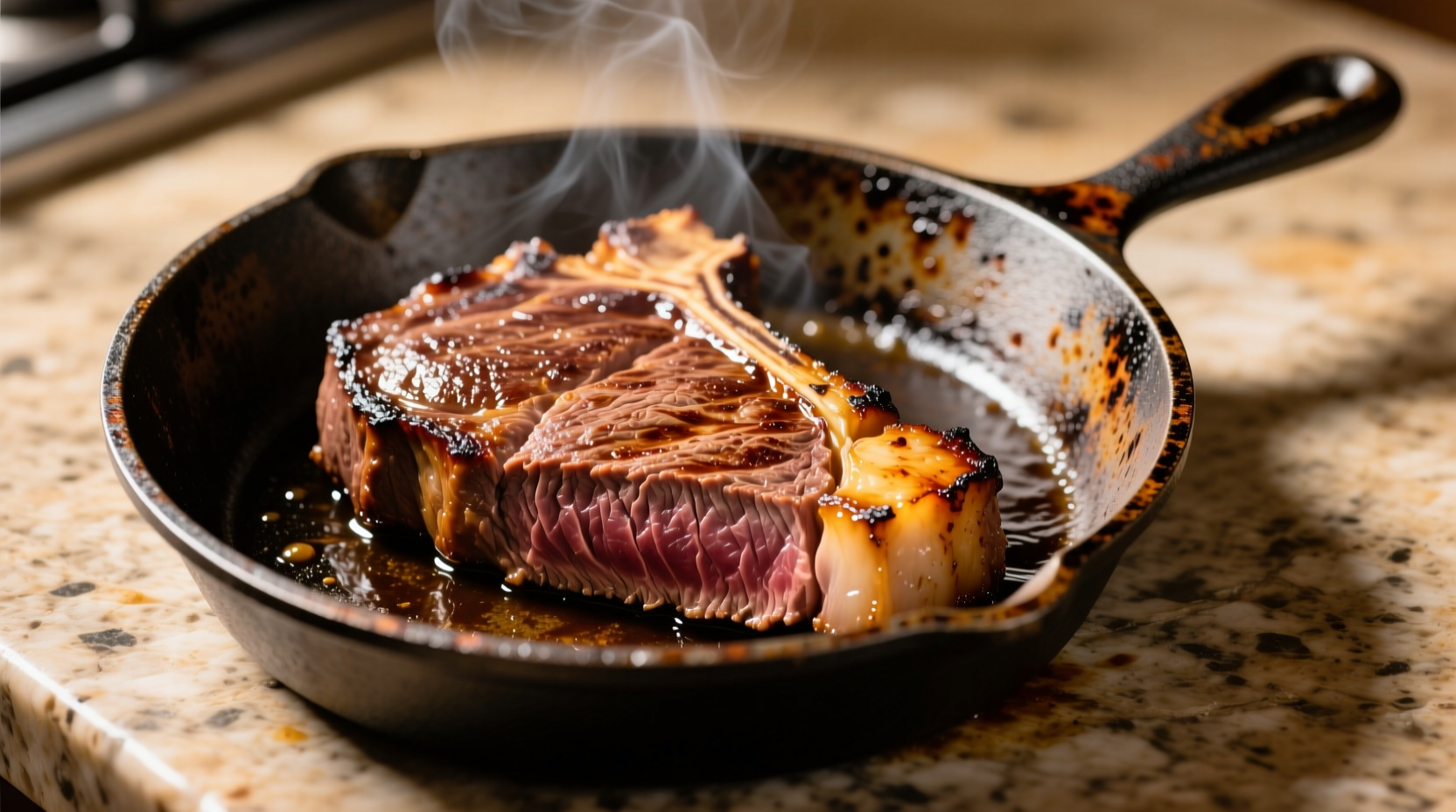
According to USDA food safety guidelines, beef should reach 145°F (63°C) with a 3-minute rest time for medium-rare doneness. But with shaved steak under 1/4-inch thick, traditional thermometer use becomes impractical. Instead, professional chefs rely on visual cues and precise timing.
Shopping for Success: Selecting Quality Shaved Steak
Your cooking journey begins at the market. Look for these characteristics when choosing shaved steak:
- Bright red color (avoid brown or grayish tones indicating oxidation)
- Thin, even slices approximately 1/8-inch thick for stir-fries or 1/4-inch for sandwiches
- Visible marbling - fine fat streaks that melt during cooking for added flavor
- Firm texture that springs back when gently pressed
While pre-shaved options save time, whole cuts you shave yourself at a slight angle against the grain yield superior texture. The American Meat Science Association confirms that proper slicing technique improves tenderness by 30% compared to random cutting.
Preparation Secrets Restaurants Don't Share
Marinating isn't just about flavor—it's a science-backed tenderness solution. Acidic components like vinegar or citrus break down tough fibers, while enzymatic ingredients (pineapple, papaya, ginger) work at the molecular level.
| Marinade Component | Tenderness Effect | Maximum Time |
|---|---|---|
| Vinegar-based | Moderate fiber breakdown | 30 minutes |
| Citrus juice | Surface tenderizing | 20 minutes |
| Pineapple puree | Deep enzymatic action | 15 minutes |
| Soy sauce | Moisture retention | 2 hours |
Over-marinating causes mushy texture—especially with acidic components. Always pat meat completely dry before cooking; moisture creates steam instead of the crucial sear. This step, emphasized by the Culinary Institute of America, makes the difference between gray, boiled steak and beautifully caramelized results.
The 4-Minute Perfect Steak Method
Follow this professional technique for foolproof results every time:
- Heat your pan (cast iron preferred) over medium-high heat for 5 minutes until water droplets dance
- Add high-smoke point oil (avocado or grapeseed) creating a thin shimmering layer
- Place steak in single layer without touching—overcrowding drops pan temperature
- Cook 60-90 seconds per side for medium-rare, flipping only once
- Rest 2 minutes on warm plate before serving
Temperature control is critical. The USDA's Food Safety and Inspection Service notes that meat continues cooking during rest time (carryover cooking). For shaved steak, remove from heat when slightly less done than desired—this accounts for approximately 5°F (3°C) temperature rise during resting.
Avoid These 3 Costly Mistakes
Even experienced home cooks make these common errors with shaved steak:
Mistake #1: Moving the steak too soon
Resist the urge to poke or flip immediately. Allow 30 seconds for proper sear formation. As Chef Thomas Keller explains in Ad Hoc at Home, "The steak will release naturally when the Maillard reaction completes."
Mistake #2: Using low heat
Low temperatures cause meat to stew in its juices rather than sear. High heat creates the flavorful crust while sealing in juices. Restaurant kitchens typically cook shaved steak at 400-450°F (204-232°C).
Mistake #3: Ignoring the grain direction
Always cut across the grain (perpendicular to muscle fibers). This shortens tough fibers, making each bite more tender. Look for parallel lines in the meat and slice at a 90-degree angle.
Serving Like a Pro: Maximizing Flavor Impact
Elevate your shaved steak with these chef-recommended finishing touches:
- Resting time: 2 minutes minimum allows juices to redistribute
- Finishing salt: Sprinkle flaky sea salt just before serving
- Compound butter: Top with herb butter as it melts into warm meat
- Acid balance: A squeeze of lemon or vinegar-based sauce cuts richness
For sandwiches, slightly undercook the steak (about 45 seconds per side) since it will continue cooking when assembled. The James Beard Foundation's cooking research shows this prevents the "boiled meat" texture common in steak sandwiches.
Perfect Pairings for Every Occasion
Match your cooking method with ideal serving styles:
- Stir-fry style (ultra-thin slices): Serve with rice noodles and Asian vegetables
- Philly-style (medium-thin slices): On hoagie rolls with melted cheese and peppers
- Salad topping (paper-thin slices): Over arugula with balsamic vinaigrette
- Tacos (julienned strips): With fresh salsa and warm tortillas
Leftover shaved steak transforms into next-day meals: slice thinly for salads, chop for omelets, or incorporate into pasta dishes. Properly stored in airtight containers, cooked shaved steak maintains quality for 3-4 days according to USDA food storage guidelines.
Frequently Asked Questions
Can I cook frozen shaved steak without thawing?
Yes, but with adjustments. Cook frozen shaved steak over medium heat for 45-60 seconds per side, flipping frequently. The USDA Food Safety and Inspection Service confirms that thin cuts under 1/4-inch can be safely cooked from frozen, though results may be slightly less even than with thawed meat.
What's the best oil for high-heat shaved steak cooking?
Avocado oil (smoke point 520°F/271°C) and refined grapeseed oil (420°F/216°C) work best. Avoid olive oil (smoke point 375°F/190°C) which burns at shaved steak's required cooking temperatures, creating bitter flavors and potentially harmful compounds.
How do I prevent shaved steak from sticking to the pan?
Ensure your pan is properly preheated (water droplets should dance), use sufficient high-smoke point oil, and pat the steak completely dry before cooking. Never move the steak during the first 30 seconds—that's when the sear forms and natural release occurs. Cast iron or carbon steel pans provide the best non-stick performance when properly seasoned.
Why does my shaved steak become chewy even when cooked briefly?
This usually happens when slicing parallel to the grain instead of across it. Muscle fibers run lengthwise in steak—slicing perpendicular shortens these tough fibers. Also check your heat level; insufficient heat prevents proper searing, causing the meat to absorb oil rather than develop a crust. Finally, over-marinating in acidic ingredients can create a mealy texture.




 浙公网安备
33010002000092号
浙公网安备
33010002000092号 浙B2-20120091-4