
The taste of genital areas varies based on physiological factors including natural pH balance, hygiene practices, diet, and overall health. Medical professionals emphasize that concerns should be addressed through proper hygiene and healthcare consultation rather than unreliable sources.
Understanding Sensory Experiences in Intimate Health
When exploring questions about intimate sensory experiences, it's essential to approach the topic with scientific accuracy and health-focused perspective. Your body's natural chemistry creates unique sensory profiles that serve important biological functions.| Physiological Factor | Natural Range | Health Significance |
|---|---|---|
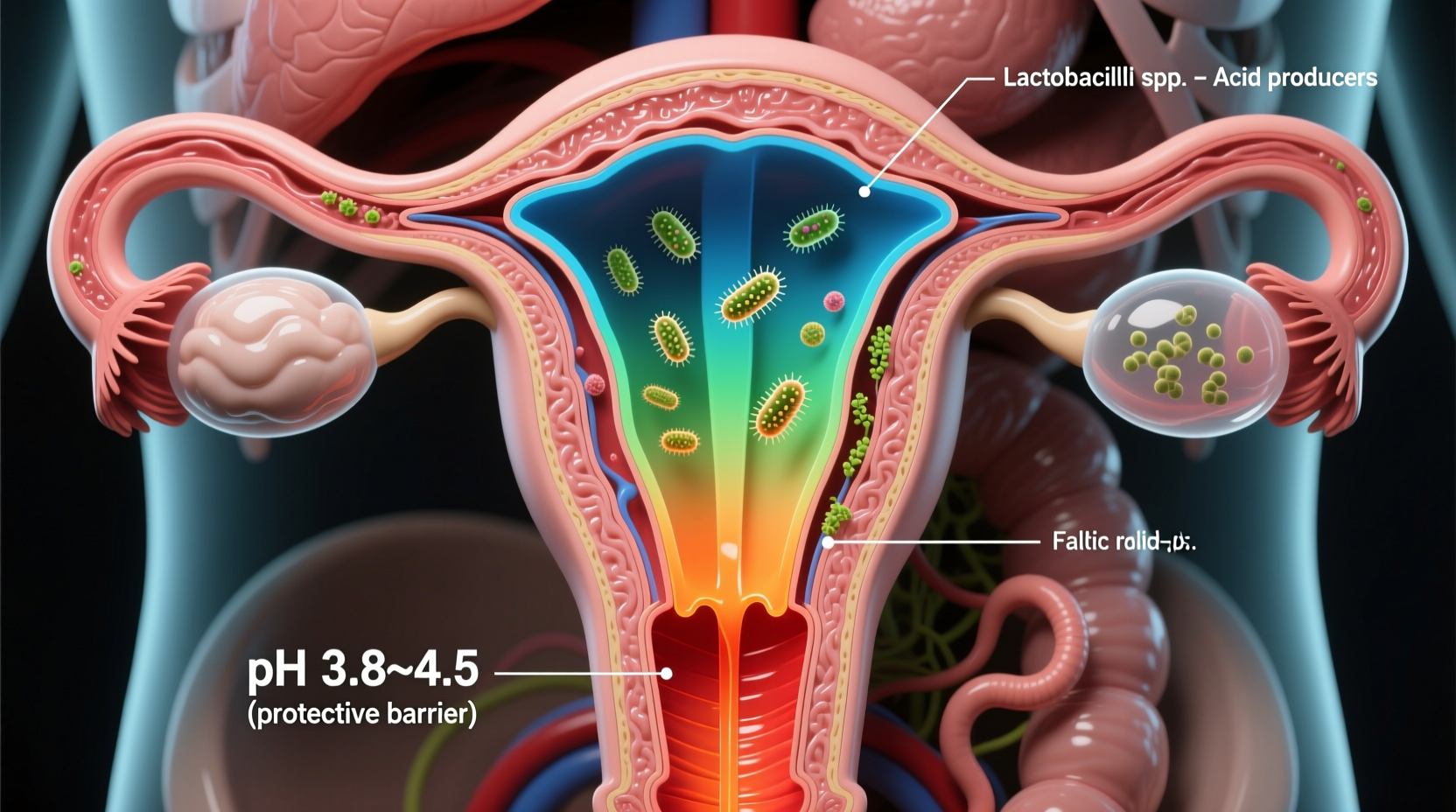
| Vaginal pH | 3.8-4.5 | Protects against infections (CDC, 2023) |
| Semen composition | 7.2-8.0 pH | Natural alkalinity protects sperm (NIH, 2022) |
| Normal bacterial flora | Varies by individual | Maintains healthy microbiome balance |
Your Body's Natural Chemistry
The human body maintains specific pH levels in different areas as part of its natural defense system. The vagina typically maintains an acidic environment (pH 3.8-4.5) to prevent harmful bacteria growth, while semen has a more alkaline composition (pH 7.2-8.0) to protect sperm during reproduction. These natural chemical balances contribute to what medical professionals describe as "mild, slightly tangy" or "salty" characteristics in healthy individuals.Factors That Influence Sensory Perception
Several evidence-based factors affect how our bodies present sensory characteristics:- Dietary influences: Foods high in sulfur compounds (like garlic and asparagus) can temporarily affect bodily secretions
- Hydration levels: Proper water intake helps maintain natural chemical balances
- Hygiene practices: Harsh soaps or douching can disrupt natural pH balance (American College of Obstetricians and Gynecologists, 2022)
- Health conditions: Infections or imbalances may cause noticeable changes requiring medical attention
When to Consult a Healthcare Professional
Certain changes warrant professional consultation rather than casual discussion. The Centers for Disease Control and Prevention (CDC) recommends seeking medical advice when experiencing:- Strong, unpleasant odors accompanied by itching or burning
- Unusual discharge color (green, gray, or yellow)
- Persistent changes lasting more than 2-3 days
- Pain during urination or intercourse
Responsible Health Practices
Medical professionals emphasize these evidence-based practices:- Maintain regular hygiene with water or mild, unscented cleansers
- Avoid douching, which disrupts natural bacterial balance
- Stay hydrated and maintain balanced nutrition
- Attend regular check-ups with qualified healthcare providers
- Communicate openly with partners about health concerns
Understanding Sensory Changes Over Time
Normal Physiological Changes Throughout Life
- Puberty: Development of natural protective flora
- Menstrual cycle: pH fluctuates slightly during different phases
- Pregnancy: Increased discharge is normal (Mayo Clinic, 2023)
- Menopause: pH may rise slightly due to hormonal changes
When Sensory Concerns Signal Health Issues
Not all changes require medical attention, but certain combinations warrant professional evaluation. The American Sexual Health Association notes that persistent changes combined with symptoms like itching, burning, or unusual discharge may indicate:- Bacterial vaginosis (affects 29% of women in the US, CDC 2023)
- Yeast infections (affects 75% of women at some point)
- Sexually transmitted infections requiring treatment
Building Healthy Communication Habits
Open communication with healthcare providers and partners contributes significantly to sexual health. The American Association of Sexuality Educators, Counselors and Therapists (AASECT) recommends:- Using clinical terminology when discussing concerns
- Focusing on health rather than judgmental language
- Seeking information from medical professionals rather than anecdotal sources
- Understanding that normal bodily functions vary between individuals
Reliable Resources for Sexual Health Information
For evidence-based information about sexual health, consult these authoritative sources:- American College of Obstetricians and Gynecologists (ACOG.org)
- Centers for Disease Control and Prevention Sexual Health section
- Planned Parenthood's medical resources
- World Health Organization sexual health guidelines




 浙公网安备
33010002000092号
浙公网安备
33010002000092号 浙B2-20120091-4