
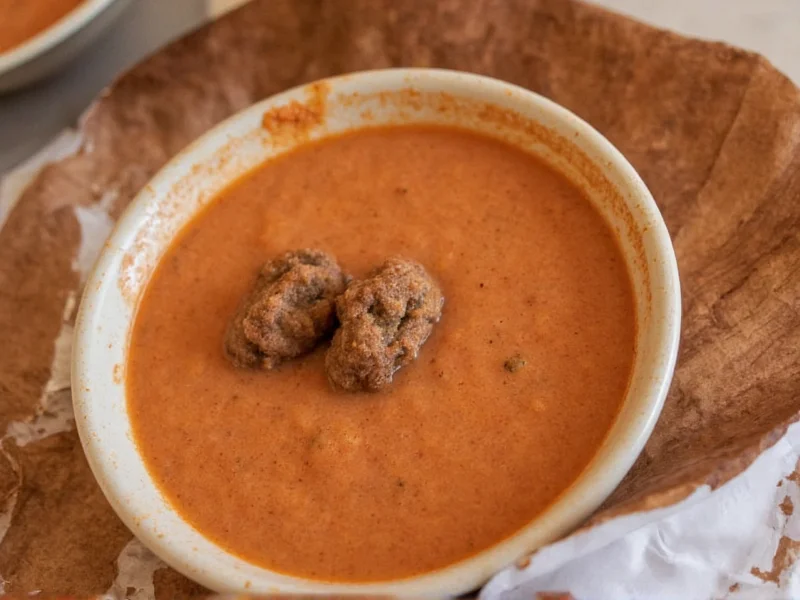
When considering whether can dogs have tomato soup, the answer is a definitive no for most varieties. This common human food contains multiple ingredients that pose serious health risks to dogs. Understanding why tomato soup is dangerous and recognizing which specific components cause problems can help you protect your pet from accidental poisoning.
Why Tomato Soup Is Dangerous for Dogs
Tomato soup, whether store-bought or homemade, typically contains several ingredients that are harmful to dogs. The primary concerns aren't the tomatoes themselves, but rather what's added during preparation. Many pet owners searching is tomato soup safe for dogs don't realize that seemingly harmless seasonings can have devastating effects on canine health.
| Harmful Ingredient | Why It's Dangerous | Potential Symptoms |
|---|---|---|
| Onions & Garlic | Contain thiosulfate which damages red blood cells (ASPCA confirms cumulative hemolytic effects) | Weakness, pale gums, rapid breathing, dark urine |
| High Sodium Content | Can cause sodium ion poisoning (exceeding AAFCO's maximum sodium guidelines for canine diets) | Excessive thirst, vomiting, tremors, seizures |
| Tomato Leaves/Stems | Contain solanine (toxic compound) | GI upset, confusion, heart abnormalities |
| Artificial Additives | Preservatives and flavor enhancers | Allergic reactions, digestive issues |
Tomatoes Themselves: The Nuanced Truth
While tomato soup ingredients dangerous for dogs make the final product unsafe, ripe red tomatoes in moderation are generally considered safe for dogs. The issue lies in the preparation:
- Green tomatoes, stems, and leaves contain solanine and tomatine, which are toxic to dogs
- Ripe red tomatoes have significantly lower levels of these compounds
- Small amounts of ripe tomato as an occasional treat are usually fine for most dogs
It's crucial to understand that even safe ripe tomatoes have important context boundaries. The World Small Animal Veterinary Association (WSAVA) states that treats should constitute no more than 10% of a dog's daily caloric intake. Furthermore, this guideline applies only to healthy adult dogs; puppies, senior dogs, and those with kidney disease or digestive sensitivities should avoid tomatoes entirely. For example, a 30-pound healthy adult dog could safely consume approximately 2-3 small slices of ripe tomato (about 1/8 cup) as an occasional treat, but this should never become a regular dietary component.
The problem with tomato soup is that it often includes the green parts of the plant or is prepared with other harmful ingredients that transform a potentially safe food into a dangerous one.
Symptoms to Watch For If Your Dog Consumed Tomato Soup
If you're wondering what happens if my dog eats tomato soup, watch for these symptoms which may appear within several hours:
- Vomiting and diarrhea (often the first signs)
- Loss of appetite and lethargy
- Excessive drooling
- Abdominal pain (your dog may whine or avoid being touched)
- Weakness or collapse (in severe cases)
- Red or brown urine (sign of hemolysis from onion/garlic toxicity)
These symptoms can escalate quickly, especially with onion and garlic toxicity, which has a delayed onset but causes cumulative damage to red blood cells.
Onion and Garlic Toxicity: Critical Progression Timeline
Unlike immediate gastrointestinal symptoms, onion and garlic toxicity follows a dangerous delayed progression. Per the ASPCA Animal Poison Control Center, the clinical timeline typically unfolds as follows:
- 0-24 hours: Asymptomatic period while hemolysis begins (no visible signs)
- 24-48 hours: Early symptoms emerge (lethargy, reduced appetite, mild weakness)
- 48-72 hours: Severe manifestations (pale gums, rapid breathing, dark urine)
- 72+ hours: Life-threatening hemolytic anemia requiring emergency transfusion
This progression explains why dogs may seem fine initially after consuming tomato soup containing onions or garlic, making immediate veterinary consultation essential even without early symptoms.
Immediate Actions to Take
If your dog has eaten tomato soup, follow these steps:
- Remove any remaining soup to prevent further consumption
- Note the time consumed and approximately how much was eaten
- Check ingredients if possible (especially for onion, garlic, or high sodium content)
- Contact your veterinarian immediately or an animal poison control hotline
- Do not induce vomiting unless specifically instructed by a professional
For those searching what to do if dog ate tomato soup, prompt veterinary consultation is crucial. Early intervention can prevent serious complications, especially with onion and garlic toxicity which may not show symptoms for several days while causing internal damage.
Safe Alternatives to Tomato Soup for Dogs
If you're looking for safe human foods for dogs instead of tomato soup, consider these veterinarian-approved options:
- Pumpkin puree (plain, without spices) - excellent for digestion
- Cooked sweet potato - rich in vitamins and fiber
- Plain cooked chicken with low-sodium broth
- Plain canned pumpkin (not pie filling) for digestive issues
- Carrot sticks - provide crunch and dental benefits
Always introduce new foods gradually and in small quantities to monitor for any adverse reactions. When considering can dogs have homemade tomato soup, even if you omit the obvious toxins, the acidity and seasonings still make it inappropriate for canine consumption.
When to Seek Emergency Veterinary Care
Contact your vet immediately if your dog shows:
- Repeated vomiting or diarrhea
- Difficulty breathing
- Seizures or tremors
- Extreme lethargy or collapse
- Red or brown urine
- Signs of abdominal pain
Even if symptoms seem mild initially, onion and garlic toxicity can cause delayed but severe complications. Your veterinarian may recommend blood tests to check for hemolysis (destruction of red blood cells) even if your dog appears normal.
Preventing Future Accidents
To keep your dog safe from harmful human foods:
- Store kitchen trash in secured containers
- Train your dog the "leave it" command
- Be mindful during meal preparation when scraps might fall
- Inform all household members about dangerous human foods
- Keep a list of pet poison control numbers readily accessible
Remember that dogs have different nutritional needs and sensitivities than humans. Just because a food is healthy for you doesn't mean it's safe for your pet. When in doubt about signs of onion poisoning in dogs or other food-related concerns, always consult with your veterinarian before offering human food to your canine companion.




 浙公网安备
33010002000092号
浙公网安备
33010002000092号 浙B2-20120091-4