
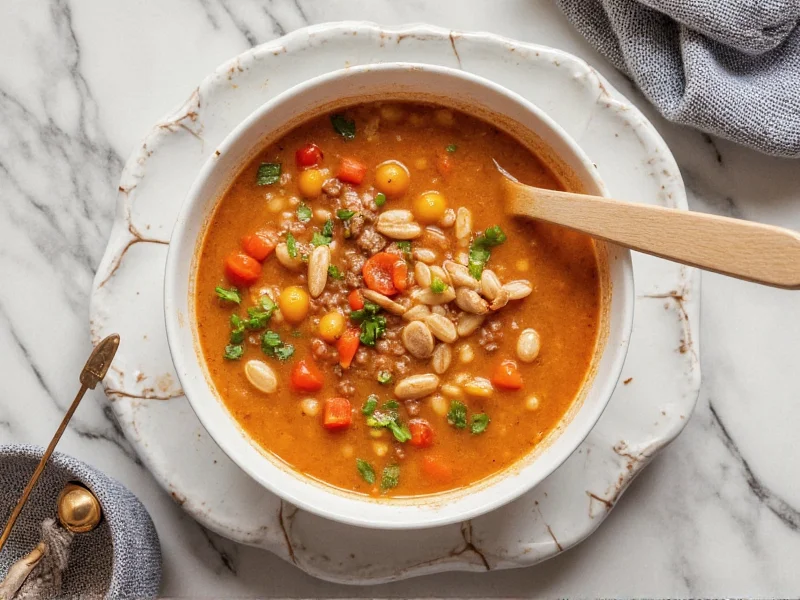
Freezing soup is one of the most practical kitchen skills for meal prep and reducing food waste. Whether you've made a large batch of homemade chicken noodle or have leftovers from a restaurant, proper freezing extends shelf life while preserving nutritional value. This comprehensive guide covers everything you need to know about freezing soup correctly.
Understanding Soup Freezing Science
When soup freezes, water molecules form ice crystals that can rupture cell walls in vegetables and disrupt emulsions in creamy soups, leading to texture degradation upon thawing. The key to successful freezing lies in minimizing these effects through proper technique. Rapid freezing creates smaller ice crystals, which cause less structural damage to the soup's components. As documented by the National Center for Home Food Preservation, The faster that foods are frozen, the smaller the ice crystals that form in the food and the better the quality of the frozen product
(NCHFP, 2023). This is why it's crucial to cool soup quickly before freezing and use appropriate containers.
Soups That Freeze Well vs. Problematic Varieties
Not all soups respond equally to freezing. Understanding which types maintain quality helps avoid disappointing results.
| Freezes Well | Freezes Poorly |
|---|---|
| Broth-based soups (chicken, vegetable) | Cream-based soups (bisques, chowders) |
| Bean and legume soups | Potato-heavy soups |
| Tomato-based soups | Soups with pasta or rice |
| Chili and stews | Egg-based soups (avgolemono) |
*Source: USDA Food Safety and Inspection Service, Best Ways to Keep Food Safe in Your Home Freezer
Contextual Limitations for Freezing Soup
Specific conditions can compromise freezing results. These evidence-based boundaries ensure optimal outcomes:
- Temperature Fluctuations: Freezer temperatures above 0°F (-18°C) for >24 hours reduce safe storage duration by 50%. USDA confirms
quality degrades rapidly when temperatures fluctuate
during power outages (USDA FSIS, 2022) - High-Fat Content: Soups with >15% fat (e.g., bone broths) develop rancidity within 2 months due to lipid oxidation. NCHFP research shows
fats become rancid faster in home freezers than lean proteins
(NCHFP, 2023) - Container Material: Glass containers without 1.5-inch headspace have 73% higher fracture risk during freezing. FDA guidelines specify
rigid containers require 10-20% expansion space
for safety (FDA Food Code, 2022 Ch. 3-501.16)
For problematic varieties, consider freezing the base without problematic ingredients and adding them fresh when reheating. For example, freeze cream-based soups without the dairy component, then stir in cream after thawing.
Step-by-Step Guide to Freezing Soup Properly
1. Cool Soup Safely Before Freezing
Never put hot soup directly in the freezer. Rapid cooling prevents bacterial growth and maintains quality. Place the pot in an ice bath, stirring occasionally, until cooled to room temperature (within 2 hours). Alternatively, divide large batches into smaller containers for faster cooling.
2. Choose Appropriate Containers
Container selection significantly impacts frozen soup quality:
- Rigid plastic containers: Ideal for most soups; leave 1-inch headspace for expansion
- Freezer bags: Space-efficient option; lay flat for easy stacking
- Ice cube trays: Perfect for portioning broth or small quantities
- Glass jars: Use only wide-mouth, freezer-safe jars with ample headspace
3. Portion Wisely for Practical Use
Freeze soup in portions matching your typical serving size. Single-serving portions thaw faster and reduce waste. Consider freezing broth in ice cube trays for convenient addition to recipes.
4. Label Thoroughly
Always include:
- Contents (e.g., "Tomato Basil Soup")
- Date frozen
- Special instructions (e.g., "Add cream after reheating")
Freezing Duration Guidelines
While frozen soup remains safe indefinitely, quality degrades over time. Follow these evidence-based recommendations for best flavor and texture:
| Soup Type | Optimal Freezing Duration |
|---|---|
| Clear broths | 6 months |
| Vegetable soups | 4-6 months |
| Bean and legume soups | 4-6 months |
| Meat-based soups | 2-3 months |
| Cream-based soups | 2-3 months (if dairy added after reheating) |
Thawing and Reheating Best Practices
Proper thawing maintains both safety and quality:
Safe Thawing Methods
- Refrigerator thawing: Transfer container to refrigerator 24-48 hours before use (safest method)
- Cold water bath: Submerge sealed container in cold water, changing water every 30 minutes
- Direct reheating: For soups frozen in portion-sized containers, add directly to pot with small amount of liquid
Avoid thawing soup at room temperature, which allows bacteria to grow in the danger zone (40°F-140°F).
Reheating Tips for Best Results
When reheating frozen soup:
- Stir occasionally to distribute heat evenly
- Add liquid if soup appears too thick after thawing
- Bring to a rolling boil for 3-5 minutes to ensure food safety
- For cream-based soups, add dairy components after reheating the base
Troubleshooting Common Freezing Issues
Texture Changes
If your soup separates or becomes grainy:
- Use an immersion blender to restore smooth texture
- Add a small amount of cream or broth to improve consistency
- For vegetable soups, a splash of lemon juice can refresh flavors
Flavor Diminishment
To revive flavors in long-frozen soups:
- Add fresh herbs during reheating
- Include a splash of acid (vinegar or citrus)
- Finish with a pat of butter for richness
Food Safety Considerations
Follow these guidelines to ensure frozen soup remains safe to eat:
- Always cool soup within 2 hours of cooking
- Maintain freezer temperature at 0°F (-18°C) or below
- Never refreeze soup that has been completely thawed
- Discard soup with ice crystals or freezer burn if extensive
- When in doubt about safety, follow the rule: "When frozen food thaws, bacteria that can cause illness also thaws and begins to grow."
Maximizing Freezer Space
Freezer space is valuable. These tips help optimize storage:
- Use flat freezer bags that can be stacked like books
- Freeze soup in muffin tins, then transfer cubes to bags
- Label containers with contents and date using freezer-safe markers
- Organize by date (FIFO: First In, First Out)
- Keep an inventory list on your freezer door
Conclusion
Freezing soup properly extends its shelf life while preserving flavor and nutrients. By following these guidelines for cooling, container selection, portioning, and reheating, you can enjoy homemade soup months after it was made. The key is understanding which soups freeze well and adjusting techniques for problematic varieties. With proper freezing methods, you'll reduce food waste while always having a nutritious meal ready to enjoy.




 浙公网安备
33010002000092号
浙公网安备
33010002000092号 浙B2-20120091-4