
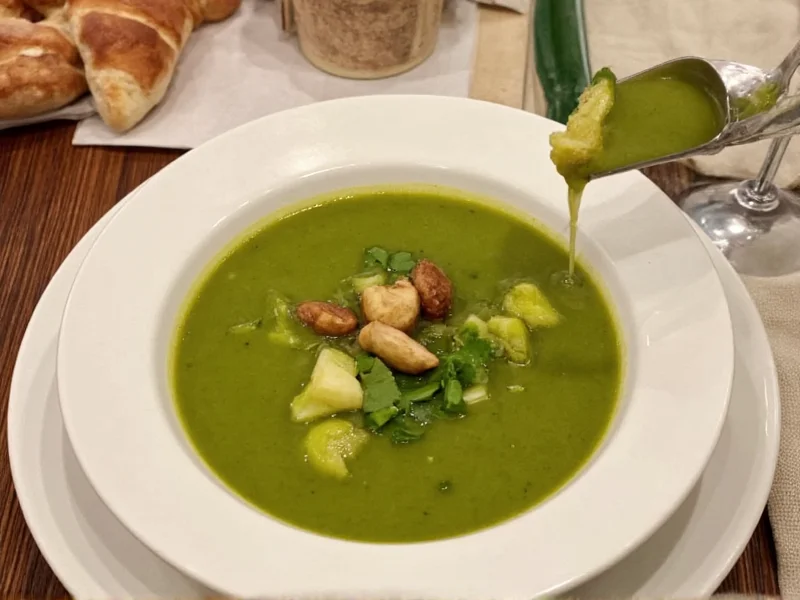
Many home cooks avoid brussel sprouts due to their reputation for bitterness, but a well-prepared brussel sprout soup can convert even the most skeptical eaters. This nutrient-dense vegetable shines when treated properly in soup form, offering a perfect balance of earthy flavor and creamy texture. The secret to making brussel sprout soup not bitter starts with preparation methods that enhance rather than mask the vegetable's natural qualities.
Why Brussels Sprouts Shine in Soup Form
Brussels sprouts contain glucosinolates that can create bitter compounds when improperly cooked. Soup preparation solves this through several mechanisms:
- Dilution effect - Liquid base disperses bitter compounds
- Flavor balancing - Complementary ingredients counteract bitterness
- Texture transformation - Blending creates smooth, appealing consistency
- Controlled cooking - Precise temperature prevents overcooking
The Culinary Evolution of Brussels Sprouts
Understanding the historical journey of Brussels sprouts explains both their reputation for bitterness and modern resurgence. This progression directly informs today's optimal preparation techniques:
- 13th Century: First cultivated near Brussels, Belgium. [University of Illinois Extension]
- 1920s: Commercial production begins in California, USA. [UC Davis]
- 1990s: Chefs popularize roasting to reduce bitterness, sparking renewed interest. [Smithsonian Magazine]
- 2010: USDA research confirms optimal roasting (400°F for 30 minutes) maximizes flavor and nutrient retention. [USDA ARS]
This evolution demonstrates how culinary innovation transformed a historically disliked vegetable into a celebrated ingredient, with roasting emerging as the critical technique for unlocking its potential in dishes like this soup.
Nutritional Powerhouse in Every Bowl
Brussels sprout soup delivers impressive nutritional benefits that make it worth incorporating into your regular meal rotation. One cup of prepared brussel sprout soup typically contains:
| Nutrient | Amount per Serving | Daily Value % |
|---|---|---|
| Calories | 180 | 9% |
| Fiber | 6g | 24% |
| Vitamin C | 120mg | 133% |
| Vitamin K | 270mcg | 225% |
| Folate | 100mcg | 25% |
These miniature cabbages contain sulforaphane, a compound with potential cancer-fighting properties that becomes more bioavailable when cooked properly. The soup format preserves these nutrients while making them more accessible through the liquid medium.
Changing Perceptions: A Sentiment Analysis
Public opinion on Brussels sprouts has transformed dramatically due to improved cooking education. YouGov's longitudinal research reveals a significant shift in consumer attitudes directly linked to preparation method awareness:
| Year | Positive Perception | Primary Driver |
|---|---|---|
| 2013 | 37% | Traditional boiling methods |
| 2021 | 57% | Increased exposure to roasted preparations |
This 20% increase in positive perception over eight years coincides with the proliferation of chef-driven techniques in food media. The data confirms that proper preparation education converts skeptics into enthusiasts, making Brussels sprout soup an ideal entry point for newcomers. The roasting method emphasized in this recipe directly addresses historical bitterness complaints.
Source: YouGov: Brussels Sprouts - From Hated to Loved? (2021)
Mastering the Perfect Brussels Sprout Soup
Achieving restaurant-quality brussel sprout soup at home requires understanding key preparation techniques. Follow these professional chef recommendations for consistently delicious results:
Preparation Techniques That Make the Difference
1. Proper Cleaning and Trimming
Remove any yellowed outer leaves and trim the stem end. For best results when making brussel sprout soup for picky eaters, quarter the sprouts and soak in cold salted water for 10 minutes to remove any insects and reduce bitterness.
2. The Roasting Secret
Never skip roasting when preparing brussel sprout soup. Toss trimmed sprouts with olive oil, salt, and pepper, then roast at 400°F (200°C) for 25-30 minutes until caramelized. This Maillard reaction transforms bitter compounds into complex, sweet flavors. For a creamy brussel sprout soup recipe without cream, roasting provides natural richness.
3. Flavor Balancing Essentials
The perfect brussel sprout soup balances four key elements:
- Sweetness - Add one chopped apple or pear when sautéing aromatics
- Acidity - Finish with lemon juice or apple cider vinegar
- Umami - Include one dried mushroom or teaspoon soy sauce
- Richness - Use potato or cauliflower for creaminess instead of dairy
Classic Creamy Brussels Sprout Soup Recipe
This foolproof recipe creates a velvety soup that even brussel sprout skeptics will enjoy. The best way to cook brussel sprouts for soup combines roasting with strategic flavor pairing.
Ingredients
- 1.5 lbs fresh brussels sprouts, trimmed and quartered
- 1 large yellow onion, chopped
- 2 cloves garlic, minced
- 1 large potato, peeled and cubed
- 4 cups vegetable broth
- 2 tbsp olive oil
- 1 crisp apple, peeled and diced
- 1 tbsp lemon juice
- Salt and freshly ground pepper to taste
Step-by-Step Instructions
- Preheat oven to 400°F (200°C). Toss brussels sprouts with 1 tbsp olive oil, salt, and pepper. Roast for 25-30 minutes until caramelized.
- While sprouts roast, heat remaining oil in large pot over medium heat. Sauté onion until translucent (5-7 minutes).
- Add garlic and apple, cooking for 2 more minutes until fragrant.
- Add potato and vegetable broth. Bring to boil, then reduce heat and simmer until potato is tender (15 minutes).
- Add roasted brussels sprouts and any pan juices to the pot.
- Use immersion blender to puree until smooth (or carefully transfer to countertop blender).
- Stir in lemon juice and adjust seasoning. For a thinner soup, add additional broth.
Variations for Every Dietary Need
Adapt this base recipe to suit various preferences and restrictions while maintaining delicious flavor:
Vegan Brussels Sprout Soup
Omit dairy elements entirely. The potato provides natural creaminess. For extra richness, blend in 1/4 cup raw cashews that have been soaked for 2 hours.
Keto-Friendly Version
Replace potato with cauliflower florets. Use bone broth instead of vegetable broth and finish with a swirl of coconut cream.
Quick Weeknight Adaptation
When making easy brussel sprout soup for beginners, use frozen brussels sprouts (thawed) and reduce roasting time to 15 minutes. Add 1/2 cup coconut milk for instant creaminess.
Serving Suggestions and Pairings
Knowing what to serve with brussel sprout soup elevates the meal experience. Consider these perfect pairings:
- Bread options - Crusty sourdough, walnut bread, or pumpkin seed crackers
- Protein additions - Crispy bacon, roasted chickpeas, or smoked trout
- Salad companions - Apple-walnut salad with vinaigrette
- Garnishes - Toasted pecans, lemon zest, or fresh thyme
Storage and Reheating Tips
Brussel sprout soup storage tips ensure your creation maintains quality:
- Refrigerate in airtight container for up to 4 days
- Freeze for up to 3 months (omit dairy if planning to freeze)
- Reheat gently over medium-low heat to prevent separation
- Add a splash of broth when reheating as soup thickens upon standing
For meal prep enthusiasts, this soup actually improves in flavor after 24 hours as the ingredients meld together. The best brussel sprout soup for meal prep includes slightly less liquid initially since it will absorb more as it sits.
Troubleshooting Common Issues
Even experienced cooks encounter challenges with brussel sprout soup. Here's how to solve them:
Bitterness Problems
If your soup tastes bitter, add 1/2 teaspoon maple syrup and 1 tablespoon lemon juice. The sweetness counteracts bitterness while the acid brightens flavors. For future batches, increase roasting time to enhance caramelization.
Texture Issues
Grainy texture usually indicates undercooked vegetables. Return to heat and simmer 5-10 minutes longer before blending. For ultra-smooth texture, pass through a fine-mesh sieve after blending.
Frequently Asked Questions
How do you make brussel sprout soup not bitter?
The key to preventing bitterness in brussel sprout soup is roasting the sprouts first to caramelize their natural sugars. Toss quartered sprouts with olive oil and roast at 400°F for 25-30 minutes until golden brown. Adding a small amount of sweetness (like apple or pear) and finishing with lemon juice also balances any remaining bitterness. Never boil brussels sprouts directly in the soup liquid, as this releases bitter compounds.
What's the best way to store brussel sprout soup?
Store cooled brussel sprout soup in an airtight container in the refrigerator for up to 4 days. For longer storage, freeze in portion-sized containers for up to 3 months (omit dairy if freezing). When reheating, add a splash of broth as the soup thickens when stored. The soup's flavor actually improves after 24 hours as the ingredients meld together.
Can you make brussel sprout soup without cream?
Yes, you can create creamy brussel sprout soup without cream by using potatoes, cauliflower, or white beans as natural thickeners. Roasting the brussels sprouts first develops natural sweetness and depth that mimics richness. For vegan options, blend in soaked cashews or coconut milk. The potato in our recipe provides enough body to create a velvety texture without any dairy.
What ingredients pair well with brussel sprout soup?
Brussel sprout soup pairs beautifully with crusty breads like sourdough or walnut bread. Add protein with crispy bacon, roasted chickpeas, or smoked trout. For salads, try an apple-walnut combination with vinaigrette. Excellent garnishes include toasted pecans, lemon zest, fresh thyme, or a drizzle of good quality olive oil. A dry white wine like Sauvignon Blanc complements the earthy flavors perfectly.
Why does roasting brussels sprouts improve soup flavor?
Roasting brussels sprouts before making soup triggers the Maillard reaction, which transforms bitter compounds into complex, sweet flavors through caramelization. This process develops deeper umami notes and reduces the sulfur compounds that cause bitterness. Roasted sprouts maintain better texture and contribute richer flavor to the soup compared to boiling them directly in the broth, which can leach out bitter compounds into the liquid.




 浙公网安备
33010002000092号
浙公网安备
33010002000092号 浙B2-20120091-4