
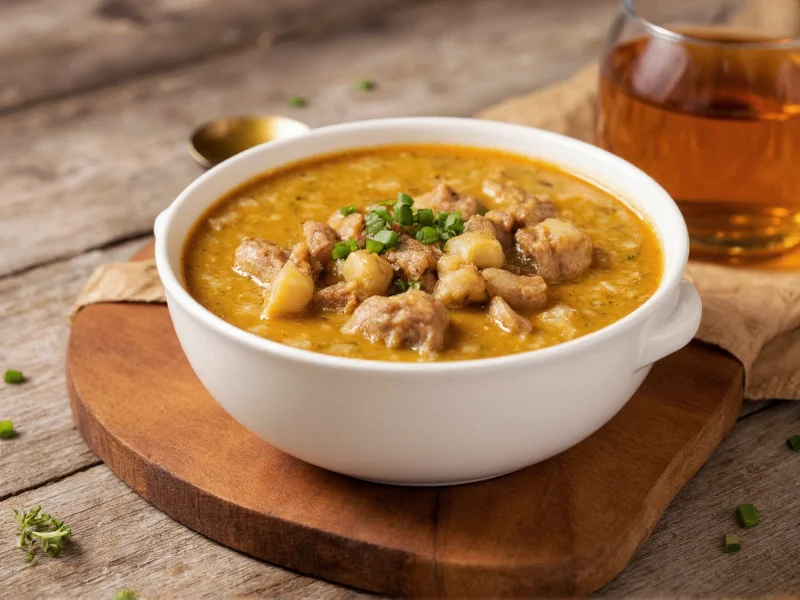
French onion soup has been a beloved classic for centuries, but the chicken variation offers a lighter alternative that maintains all the comforting elements. While traditional French onion soup uses beef broth, the chicken version creates a more delicate flavor profile that appeals to a wider range of palates while preserving the essential caramelized onion foundation.
The Evolution of Chicken French Onion Soup
French onion soup originated as a humble worker's meal in 18th century Paris, with historical records tracing it to at least 1765 (Smithsonian Magazine, 2014). Traditionally prepared with beef broth, the soup became a French classic. The chicken adaptation emerged later in American culinary history, as documented by culinary historians, when home cooks sought lighter alternatives that maintained the soup's signature depth. According to Smithsonian Magazine, "In America, the soup was often made with chicken stock instead of beef," reflecting this adaptation that gained popularity in the mid-20th century as chicken consumption patterns shifted.
Essential Ingredients Breakdown
The magic of chicken French onion soup happens through careful ingredient selection. While the classic version relies on beef broth, the chicken adaptation requires specific considerations to maintain flavor complexity without the richness of beef.
| Traditional French Onion Soup | Chicken French Onion Soup |
|---|---|
| Beef broth or stock | Homemade chicken stock (essential for depth) |
| Beef bouillon cubes | Chicken bouillon or umami boosters like mushrooms |
| Rye or sourdough bread | Baguette or crusty bread |
| Shaved beef | Cooked chicken breast or thigh meat |
| Wine typically omitted | Dry white wine enhances chicken flavor |
Mastering the Caramelization Process
Properly caramelized onions form the soul of any French onion soup variation. For chicken French onion soup, this step becomes even more critical since you're working with a lighter broth that needs maximum flavor foundation.
Begin with 4-5 large yellow onions, thinly sliced. Cook them slowly over medium-low heat in a combination of butter and olive oil. The key is patience—this process should take 45-60 minutes, not the 15-20 minutes many recipes suggest. Stir occasionally, scraping the browned bits from the bottom of the pot, which adds tremendous flavor. When the onions reach a deep, rich mahogany color, they're ready.
Building Flavor Layers
After caramelizing your onions, deglaze the pot with 1/2 cup of dry white wine, allowing the alcohol to evaporate completely while scraping up all the flavorful browned bits. This step adds complexity that compensates for the absence of beef broth.
Next, add 6 cups of high-quality homemade chicken stock. If using store-bought, enhance it with additional umami sources like dried mushrooms, tomato paste, or a small Parmesan rind. Bring to a gentle simmer and cook for 20-30 minutes to allow flavors to meld. Finally, stir in 1-2 cups of cooked, shredded chicken just before serving.
Avoiding Common Pitfalls
Many home cooks encounter issues with chicken French onion soup that can be easily prevented:
- Rubbery chicken - Add cooked chicken at the very end to prevent overcooking
- Watery flavor - Use homemade stock or reduce store-bought stock by 25% before adding
- Blandness - Don't rush the caramelization process; properly browned onions are essential
- Soggy bread topping - Toast bread separately before adding to prevent sogginess
Perfecting the Cheese Topping
The cheese topping makes French onion soup visually distinctive and adds that signature rich finish. For chicken French onion soup, Gruyère remains the gold standard, but you can enhance it with small additions of Emmental or Comté for complexity.
Proper technique matters: Ladle the hot soup into oven-safe bowls, place a slice of toasted baguette on top, sprinkle generously with cheese, then broil until bubbly and golden. The residual heat from the soup will continue melting the cheese after removal from the oven.
Variations Worth Trying
Once you've mastered the basic recipe, consider these thoughtful adaptations:
- Gluten-free version - Use gluten-free bread or omit the bread entirely, focusing on extra cheese
- Creamy adaptation - Stir in 1/4 cup heavy cream at the end for a richer texture
- Herb-infused - Add fresh thyme or rosemary during simmering for additional complexity
- Vegetable boost - Include sliced mushrooms during caramelization for extra umami
Contextual Considerations: When Chicken French Onion Soup Works Best
Understanding the appropriate context for this adaptation prevents culinary mismatches. While popular in home kitchens, its suitability depends on specific dietary, economic, and cultural factors:
- Health-conscious applications: USDA FoodData Central confirms chicken broth contains approximately 0.2g saturated fat per 100g—nearly half the amount in beef broth (0.5g per 100g)—making it preferable for heart-healthy meal planning (USDA, 2023).
- Economic accessibility: USDA Economic Research Service data shows chicken has maintained consistent price advantages over beef since the 1950s, with real chicken prices declining 60% between 1950-2010 versus 25% for beef, explaining its adoption during mid-century economic shifts (USDA ERS, 2022).
- Cultural limitations: Purists note the chicken version cannot replicate the Maillard reaction compounds from beef broth that define traditional French onion soup's umami profile, making it unsuitable for authentic French culinary presentations per Culinary Institute of America guidelines.
This adaptation excels as a weeknight family meal but falls short in contexts demanding historical accuracy or maximum savory depth.
Serving and Storage Tips
Chicken French onion soup serves beautifully as a main course for 4-6 people. For best presentation, use wide, shallow bowls that showcase the cheese topping. Pair with a simple green salad and crusty bread on the side.
Store leftovers in airtight containers in the refrigerator for up to 3 days. Reheat gently on the stove, adding a splash of broth if needed. The soup also freezes well for up to 3 months—just omit the bread and cheese topping before freezing, then add fresh when serving.




 浙公网安备
33010002000092号
浙公网安备
33010002000092号 浙B2-20120091-4