
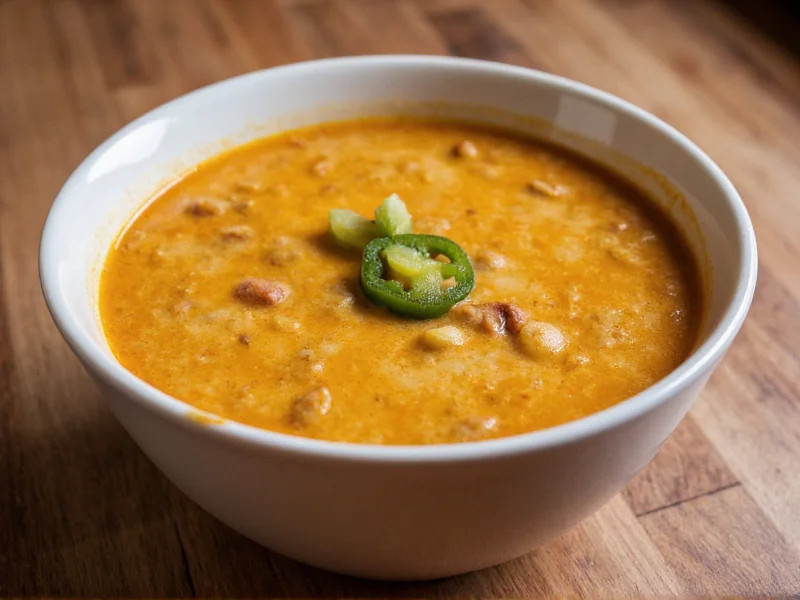
The Ultimate Guide to Cheeseburger Potato Soup
Cheeseburger potato soup has gained popularity as a creative fusion of two American comfort food classics. This hearty dish brings together the savory elements of a cheeseburger—ground beef, melted cheese, and tangy toppings—with the comforting warmth of potato soup. Unlike traditional potato soup, this variation incorporates burger-specific ingredients that create a uniquely satisfying meal that's become a staple in many home kitchens.
Why This Soup Works So Well
The magic of cheeseburger potato soup lies in how its components complement each other. Potatoes provide a neutral base that absorbs flavors while maintaining texture. The ground beef adds protein and rich umami notes, while the cheese (typically cheddar) creates a creamy element without needing excessive dairy. Classic burger toppings like diced onions, pickles, and sometimes even ketchup or mustard integrated into the broth provide that unmistakable cheeseburger taste profile.
Essential Ingredients for Authentic Flavor
Creating an authentic cheeseburger potato soup requires attention to ingredient quality and proportions. Here's what you'll need for a standard 6-serving recipe:
| Ingredient | Amount | Why It Matters |
|---|---|---|
| Ground beef (80/20) | 1 pound | Provides rich flavor; higher fat content enhances soup richness |
| Yukon Gold potatoes | 2 pounds, diced | Natural buttery flavor and creamy texture when cooked |
| Yellow onion | 1 medium, diced | Essential aromatic base for depth of flavor |
| Cheddar cheese | 2 cups shredded | Sharp cheddar provides authentic cheeseburger taste |
| Dill pickles | 1/4 cup finely chopped | Adds the signature tangy element of a cheeseburger |
| Beef broth | 4 cups | Better flavor foundation than chicken or vegetable broth |
Nutritional Comparison and Dietary Context
Understanding how cheeseburger potato soup fits into dietary patterns requires examining its nutritional profile against related dishes. The table below compares key metrics per standard serving:
| Nutrient | Cheeseburger Potato Soup | Traditional Cheeseburger | Traditional Potato Soup |
|---|---|---|---|
| Calories | 480 | 560 | 199 |
| Saturated Fat (g) | 14.1 | 15 | 5.8 |
| Sodium (mg) | 941 | 1,100 | 659 |
| Protein (g) | 24.3 | 32 | 4.4 |
Source: Values calculated using USDA FoodData Central (2023). Cheeseburger potato soup based on recipe analysis. Traditional cheeseburger data from USDA Standard Reference ID 170153. Traditional potato soup values derived from Penn State Extension's standard recipe.
This nutritional profile reveals important context for meal planning. Per the Dietary Guidelines for Americans, adults should limit saturated fat to <10% of daily calories (≈22g) and sodium to <2,300mg. A single serving provides 64% of the saturated fat limit and 41% of the sodium allowance. While higher in protein than traditional potato soup, it exceeds cheeseburger sodium levels due to broth concentration.
Scenario Applicability: Ideal as a cold-weather meal for active individuals needing sustained energy (24g protein/serving). Particularly effective for family weeknight dinners where one-pot convenience matters. The familiar cheeseburger elements make it suitable for introducing vegetable variations to children.
Key Limitations: Not recommended for hypertension management without modifications (use low-sodium broth and reduce pickles). The dairy content makes it unsuitable for lactose-intolerant individuals unless using nutritional yeast substitution. The high caloric density (480kcal/serving) requires portion control for weight management goals. During summer months, lighter broths may be preferable as the rich profile feels less seasonally appropriate.
Step-by-Step Preparation Guide
Follow these steps for perfect cheeseburger potato soup every time:
- Brown the beef properly: Cook 1 pound ground beef in a large pot over medium heat until fully browned. Drain excess fat but retain about 1 tablespoon for flavor.
- Sauté aromatics: Add 1 diced onion and cook until translucent (about 5 minutes). This builds the flavor foundation.
- Add potatoes and liquid: Stir in 2 pounds diced Yukon Gold potatoes, 4 cups beef broth, 1 teaspoon Worcestershire sauce, and 1/2 teaspoon garlic powder.
- Simmer until tender: Bring to a boil, then reduce heat and simmer for 15-20 minutes until potatoes are fork-tender.
- Incorporate cheese: Reduce heat to low and gradually stir in 2 cups shredded cheddar until melted.
- Add finishing touches: Stir in 1/4 cup chopped dill pickles and 2 tablespoons ketchup. Season with salt and pepper to taste.
- Rest before serving: Let soup sit for 5-10 minutes to allow flavors to meld before serving.
Common Variations and Customizations
One reason cheeseburger potato soup has become so popular is its adaptability. Consider these variations:
- Slow cooker method: After browning beef and sautéing onions, transfer everything to a slow cooker and cook on low for 6-7 hours
- Vegetarian option: Substitute beef with plant-based ground "meat" and use vegetable broth
- Bacon enhancement: Add 4-6 slices of cooked, crumbled bacon for extra smoky flavor
- Loaded version: Top with additional shredded cheese, diced tomatoes, and green onions when serving
- Dairy-free adaptation: Use nutritional yeast instead of cheese and coconut milk for creaminess
Troubleshooting Common Issues
Even simple recipes can encounter problems. Here's how to fix common cheeseburger potato soup issues:
- Grainy cheese: Always remove soup from heat before adding cheese, and use freshly shredded cheese (pre-shredded contains anti-caking agents that cause graininess)
- Too thin: Mix 2 tablespoons cornstarch with 2 tablespoons cold water and stir into simmering soup
- Too thick: Gradually add additional broth or water until desired consistency is reached
- Bland flavor: Add 1/2 teaspoon onion powder, 1/4 teaspoon smoked paprika, or a splash of pickle juice
- Overcooked potatoes: Add potatoes later in the process or cut them slightly larger
Serving Suggestions and Pairings
Cheeseburger potato soup shines when served with complementary sides that enhance the cheeseburger theme:
- Crusty bread or dinner rolls for dipping
- Simple green salad with ranch dressing
- Crispy oven-baked french fries
- Classic coleslaw
- For a complete meal experience, serve in bowls with small hamburger sliders on the side
Storage and Reheating Tips
This soup stores well and often tastes better the next day as flavors continue to meld:
- Refrigeration: Store in airtight container for up to 4 days
- Freezing: Freeze without dairy for up to 3 months; add cheese when reheating
- Reheating: Warm gently over medium-low heat, stirring frequently. Add splashes of broth if needed.
- Reviving cheese: If reheating frozen soup, create a slurry of 1 tablespoon cornstarch and 2 tablespoons cold milk, then gradually stir in shredded cheese
Why This Recipe Stands Out
Many cheeseburger potato soup recipes miss the mark by either being too focused on the potato soup element or trying too hard to replicate every aspect of a cheeseburger. The best versions strike a balance—capturing the essence of a cheeseburger while maintaining the comforting qualities of potato soup. The key is in the subtle incorporation of cheeseburger elements rather than literal replication. The tang from pickles, the richness from quality cheddar, and the umami from properly browned beef create a harmonious flavor profile that evokes cheeseburger nostalgia without feeling gimmicky.
Frequently Asked Questions
Can I make cheeseburger potato soup without meat?
Yes, you can create a vegetarian version by substituting the ground beef with plant-based ground "meat" or lentils. Use vegetable broth instead of beef broth and consider adding 1-2 tablespoons of soy sauce or liquid smoke to replicate the umami flavor typically provided by beef.
What type of potatoes work best for cheeseburger potato soup?
Yukon Gold potatoes are ideal for cheeseburger potato soup because they have a naturally buttery flavor and creamy texture when cooked, while still holding their shape. Russet potatoes can be used but may become too soft, while red potatoes might not break down enough to create the desired creamy consistency.
How can I prevent my cheese from becoming grainy in the soup?
To prevent grainy cheese, always remove the soup from heat before adding cheese. Use freshly shredded cheese rather than pre-shredded (which contains anti-caking agents). Add the cheese gradually while stirring constantly, and avoid boiling the soup after cheese has been incorporated. For best results, create a cheese slurry with a small amount of cold milk before adding to the soup.
Can I make this soup in a slow cooker?
Yes, cheeseburger potato soup adapts well to slow cooking. After browning the beef and sautéing the onions on the stove, transfer everything to your slow cooker with the potatoes and broth. Cook on low for 6-7 hours or high for 3-4 hours, until potatoes are tender. Add the cheese and pickles during the last 30 minutes of cooking.
What are the best toppings for cheeseburger potato soup?
The best toppings enhance the cheeseburger theme: additional shredded cheddar, diced dill pickles, crumbled bacon, diced onions, a dollop of ketchup or mustard, and chopped fresh parsley. For a "loaded" version, add diced tomatoes and green onions. Avoid toppings that would overwhelm the delicate balance of flavors already in the soup.




 浙公网安备
33010002000092号
浙公网安备
33010002000092号 浙B2-20120091-4