
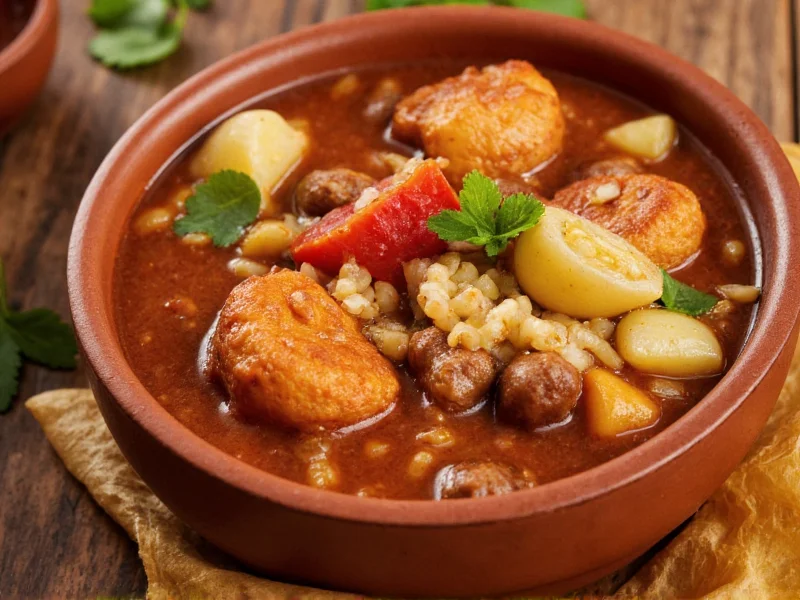
Gumbo represents Louisiana's cultural melting pot, with roots tracing back to 18th century Creole and Cajun communities. Unlike ordinary soups, gumbo's distinctive character comes from its complex roux preparation, layered spices, and unique thickening methods that create a hearty, deeply flavored dish served over rice.
The Historical Roots of Gumbo
Gumbo's story begins with West African okra stews brought by enslaved people, combined with French culinary techniques, Spanish spices, and Native American filé powder. The word "gumbo" derives from the West African Bantu word "ki ngombo," meaning okra. By the 1800s, gumbo had become a staple of Louisiana cuisine, evolving into distinct Creole (tomato-influenced, city-based) and Cajun (darker roux, country-style) variations.
Essential Components of Authentic Gumbo
Understanding what is gumbo soup made of requires examining its foundational elements. Every authentic gumbo contains these critical components:
| Component | Function | Traditional Options |
|---|---|---|
| Roux | Base flavor and thickener | Blond (light), peanut butter, chocolate (dark) |
| Holy Trinity | Aromatic vegetable base | Onions, celery, bell peppers (2:1:1 ratio) |
| Thickener | Texture and body | Okra or filé powder (sassafras leaves) |
| Protein | Main ingredient | Seafood, chicken, sausage, or combinations |
| Seasoning | Flavor profile | Cayenne, black pepper, thyme, bay leaves |
What Makes Gumbo Different From Other Soups
The difference between gumbo and soup lies in its preparation method and texture. While most soups remain broth-based, gumbo achieves a thick, almost stew-like consistency through careful roux preparation and additional thickeners. Gumbo always includes the holy trinity vegetables and is traditionally served over rice rather than with it. The roux—cooked flour and fat—provides gumbo's signature depth that ordinary soups lack.
Types of Gumbo Soup
Understanding the types of gumbo soup reveals regional and cultural variations:
- Seafood Gumbo: Features shrimp, crab, and sometimes oysters, reflecting coastal Louisiana communities
- Chicken and Andouille Gumbo: The most common Cajun version with smoked sausage and poultry
- Creole Gumbo: Often includes tomatoes and a lighter roux than its Cajun counterpart
- Okra Gumbo: The original version using okra as both vegetable and thickener
- File Gumbo: Thickened with ground sassafras leaves added after cooking
The Art of Roux Preparation
No discussion of traditional gumbo ingredients would be complete without addressing the roux. This fundamental element requires patience—cooking equal parts fat (typically oil or bacon grease) and flour for 20-45 minutes until reaching the desired color. Darker roux provides deeper flavor but less thickening power, creating what makes gumbo different from other soups that rely on simpler bases. The roux's color directly impacts both flavor profile and final texture.
Cultural Significance and Modern Adaptations
Gumbo soup cultural significance extends beyond mere sustenance—it represents Louisiana's resilience and cultural fusion. Traditionally served at community gatherings and holidays, gumbo embodies the spirit of sharing and hospitality. While purists maintain strict preparation methods, modern adaptations include vegetarian gumbo, turkey sausage variations, and even fusion interpretations incorporating Asian or Latin flavors, though these depart from what is gumbo soup in its authentic form.
How to Experience Authentic Gumbo
For those wondering how to make authentic gumbo, the process requires time and attention to detail. Start with a properly cooked roux, build flavors with the holy trinity, add proteins in stages (denser meats first), and finish with your chosen thickener. Authentic gumbo never rushes the roux process—a proper dark roux takes at least 30 minutes of constant stirring. Many Louisiana families guard their gumbo recipes as closely as heirlooms, with variations reflecting personal and regional preferences.
Frequently Asked Questions
What is the difference between gumbo and regular soup?
Gumbo differs from regular soup through its preparation method and texture. While most soups remain broth-based, gumbo achieves a thick, almost stew-like consistency through a carefully prepared roux (cooked flour and fat) and additional thickeners like okra or filé powder. Gumbo always includes the "holy trinity" of vegetables (onions, celery, bell peppers) and is traditionally served over rice rather than with it.
Is gumbo soup thick or thin?
Authentic gumbo has a thick, hearty consistency that coats the back of a spoon—somewhere between a soup and a stew. This thickness comes from the roux base and additional thickeners (okra or filé powder). Properly made gumbo shouldn't be watery; it should have body while still being pourable. The texture is one of the key elements that defines what gumbo soup is in its traditional form.
Why is my gumbo not thickening properly?
Gumbo may not thicken properly if the roux wasn't cooked long enough or if too much liquid was added. Darker roux has less thickening power than lighter roux. If your gumbo remains thin, you can either simmer it longer to reduce the liquid, make a small additional roux to whisk in, or add okra/filé powder according to traditional gumbo preparation methods. Remember that gumbo typically thickens more as it cools.
Can gumbo be made without meat?
Yes, vegetarian and vegan gumbo variations exist, though they differ from traditional preparations. These versions typically use vegetable stock, mushrooms for umami, and okra as the primary thickener. While purists might question what is gumbo soup without meat, creative adaptations maintain the essential elements—roux, holy trinity, and proper seasoning—to create satisfying meat-free alternatives that honor the dish's spirit.
What is the proper way to serve gumbo?
Traditional gumbo is always served over cooked white rice, never with rice mixed in. The rice acts as a base that absorbs the flavorful broth. Many Louisianans follow the "rice first, gumbo second" method. Garnish with chopped green onions and offer filé powder and hot sauce on the side. This serving style highlights the difference between gumbo and soup, as the rice transforms the dish from a simple soup into a complete, hearty meal.




 浙公网安备
33010002000092号
浙公网安备
33010002000092号 浙B2-20120091-4