
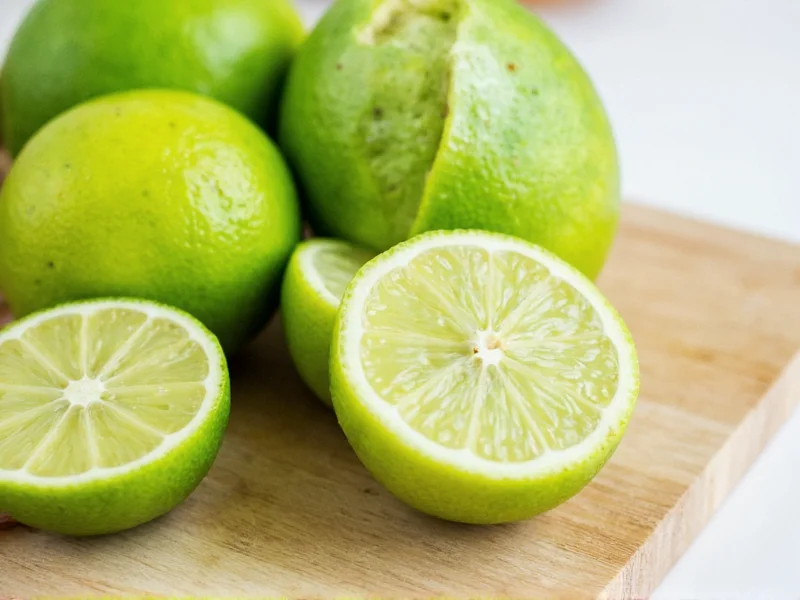
A zested lime refers to a lime that has had its outer colored peel (the zest) removed, typically using a zester, microplane, or fine grater. The zest contains aromatic citrus oils that provide intense flavor without the bitterness of the white pith underneath. When a recipe calls for 'zested lime,' it means you should incorporate this fragrant outer layer into your dish, not just the juice.
Understanding what a zested lime means is essential for anyone exploring citrus-forward recipes. The vibrant yellow-green outer layer of a lime, known as the zest, contains essential oils that deliver the most concentrated lime flavor. This differs significantly from lime juice, which provides acidity but lacks the complex aromatic compounds found in the zest.
What Exactly Is Lime Zest?
Lime zest is the thin, colored outer layer of the lime peel, specifically the flavedo. This layer contains oil glands that produce the citrus's distinctive aroma and flavor. The white layer beneath (the pith) is bitter and should be avoided when zesting. Professional chefs often describe zest as "liquid sunshine" due to its ability to transform dishes with bright, fresh citrus notes.
Zest vs. Juice: Understanding the Difference
Many home cooks confuse lime zest with lime juice, but they serve different culinary purposes:
| Characteristic | Lime Zest | Lime Juice |
|---|---|---|
| Source | Colored outer peel (flavedo) | Fruit pulp and vesicles |
| Flavor Profile | Intensely aromatic, floral, complex | Acidic, tart, straightforward citrus |
| Oil Content | High concentration of essential oils | Negligible oil content |
| Usage in Recipes | Added at end of cooking or in raw preparations | Used for acidity, can be cooked |
| Yield from One Lime | 1-2 teaspoons | 2-3 tablespoons |
How to Properly Zest a Lime
Mastering the technique of how to zest a lime properly ensures you get maximum flavor without bitterness:
- Choose ripe limes: Select firm, heavy limes with smooth, brightly colored skin
- Wash thoroughly: Scrub under cold water to remove any wax or pesticides
- Use the right tool: Microplane graters work best for fine, even zest
- Zest carefully: Remove only the colored portion, avoiding the bitter white pith
- Work efficiently: Zest before juicing to prevent oils from making the fruit slippery
When executed correctly, the process of using lime zest in recipes enhances dishes with complex citrus notes that juice alone cannot provide. The essential oils in the zest evaporate quickly when exposed to heat, which is why culinary experts recommend adding zest at the end of cooking or in raw preparations.
Culinary Applications of Zested Lime
The distinctive flavor of what does zested lime mean in cooking becomes apparent when you incorporate it into various dishes:
- Baking: Adds bright citrus notes to cakes, cookies, and frostings without increasing liquid content
- Cocktails: Creates aromatic garnishes for margaritas and other citrus-based drinks
- Savory dishes: Enhances fish, chicken, and vegetable preparations with subtle citrus notes
- Desserts: Provides intense flavor in key lime pie, sorbets, and panna cotta
- Preserves: Adds complexity to marmalades and fruit compotes
Storage Techniques and Shelf Life of Lime Zest
Proper storage preserves the volatile oils in lime zest. Based on research from the University of Minnesota Extension, here are scientifically validated storage methods and their shelf life:
| Storage Method | Preparation | Refrigerator Shelf Life | Freezer Shelf Life |
|---|---|---|---|
| Refrigeration | Place fresh zest in an airtight container | Up to 3 days | N/A |
| Freezing in Water | Freeze zest in ice cube trays covered with water, then transfer to freezer bags | N/A | Up to 6 months |
| Freezing in Oil | Cover zest with neutral oil (e.g., canola) in ice cube trays, then freeze and store in bags | N/A | Up to 12 months |
| Drying | Spread zest in a single layer and dry at 140°F (60°C) until brittle, then store in airtight container | Up to 6 months | N/A |
Always label frozen zest with the date to track freshness. Note that frozen zest in oil is ideal for savory dishes, while water-frozen zest works best for desserts and beverages.
Contextual Guidelines for Lime Zest Usage
Lime zest's effectiveness varies significantly by cooking context. Research from the University of Georgia Cooperative Extension confirms that improper application diminishes flavor impact. The following evidence-based guidelines outline optimal usage scenarios:
| Cooking Context | Recommended Usage | Key Limitation | Alternative Solution |
|---|---|---|---|
| Baking (cakes, cookies) | Add zest directly to dry ingredients | Avoid in recipes with high liquid content that may dilute flavor | Use zest-infused sugar for better distribution |
| Long-simmered sauces/soups | Add zest in the last 5 minutes of cooking | Extended heat exposure evaporates volatile oils | Use dried zest (1/2 tsp dried = 1 tsp fresh) added earlier |
| Cocktails | Express oils over drink and use as garnish | Dried zest lacks fresh aroma | Fresh zest is essential; no adequate substitute |
| Preserves (marmalades) | Incorporate during cooking for flavor infusion | Overcooking can cause bitterness | Add half the zest at the beginning and half at the end |
Understanding these contextual boundaries ensures you maximize the aromatic potential of lime zest while avoiding common flavor degradation issues documented in culinary research.
Common Mistakes to Avoid
When working with zested lime, many home cooks make these critical errors:
- Removing too much pith, resulting in bitter flavors
- Using pre-bottled lime juice as a substitute for fresh zest
- Adding zest too early in the cooking process, causing flavor loss
- Not washing limes thoroughly before zesting
- Using dull tools that crush rather than remove the zest
Understanding the difference between lime zest and juice prevents these common pitfalls. The zest provides aromatic compounds that juice cannot replicate, while the juice offers acidity that zest lacks. For optimal results in recipes calling for 'zested lime,' both components often work together to create balanced citrus flavor.
Frequently Asked Questions
Can I substitute lime zest with lime juice in recipes?
No, lime zest and juice serve different purposes. Zest provides aromatic oils that juice lacks, while juice offers acidity. For best results, use both when a recipe specifies 'zested lime.' If absolutely necessary, 1 teaspoon of zest can be substituted with 2 tablespoons of bottled lime oil, but fresh zest is always preferable.
How much zest can I get from one average lime?
A medium-sized lime typically yields 1 to 2 teaspoons of zest. The exact amount depends on the lime's size and thickness of the peel. Always zest before juicing, as the oils make the fruit slippery and harder to handle.
Why do recipes specify 'zested lime' instead of just 'lime'?
Recipes specify 'zested lime' to indicate that the aromatic outer peel should be incorporated, not just the juice. The zest contains concentrated citrus oils that provide complex flavor without additional liquid, which is crucial for recipe balance, especially in baking where liquid ratios matter.
Can I use dried lime zest instead of fresh?
Dried lime zest works in some applications but has less intense flavor. Use 1/2 teaspoon of dried zest for every 1 teaspoon of fresh zest required. Dried zest is best for long-cooking dishes where fresh zest would lose its volatile oils, but fresh is always preferable for raw preparations and finishing dishes.
What's the best tool for zesting a lime?
A microplane grater is generally considered the best tool for zesting limes as it creates fine, even shreds without pulling up the bitter white pith. Citrus zesters with small holes also work well. Avoid using box graters, which often remove too much pith and create uneven zest.




 浙公网安备
33010002000092号
浙公网安备
33010002000092号 浙B2-20120091-4