
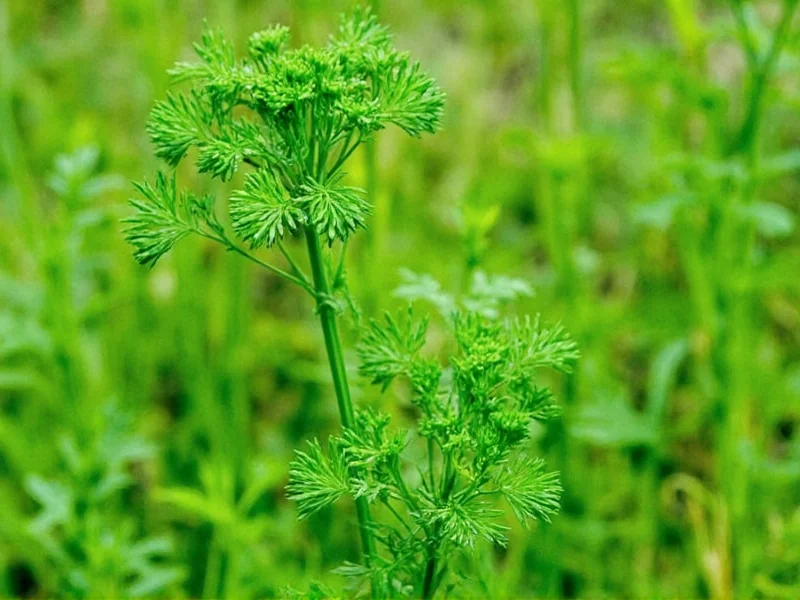
Nutritional Powerhouse: What Makes Dill Special
Dill (Anethum graveolens) has been valued for centuries not just for its distinctive flavor but for its impressive nutritional profile. Both the fresh leaves (dill weed) and seeds contain bioactive compounds that contribute to its health-promoting properties. Understanding the nutritional value of dill herb reveals why this common kitchen herb deserves attention beyond mere culinary decoration.
Per 100 grams of fresh dill weed, you'll find significant amounts of:
| Nutrient | Amount | % Daily Value |
|---|---|---|
| Vitamin A | 2,230 IU | 45% |
| Vitamin C | 85 mg | 142% |
| Calcium | 208 mg | 21% |
| Iron | 6.6 mg | 37% |
| Manganese | 1.3 mg | 65% |
Digestive Health Support: More Than Folklore
One of the most well-documented dill herb benefits for digestive health relates to its carminative properties. Traditional medicine systems worldwide have used dill to alleviate bloating, gas, and indigestion. Modern research supports these applications, with studies showing that dill's essential oils, particularly carvone and limonene, help relax gastrointestinal muscles and reduce spasms.
A 2017 study published in the Journal of Ethnopharmacology demonstrated that dill extract significantly reduced intestinal spasms in laboratory models. This explains why many cultures serve dill with heavy or fatty foods—it's not just for flavor but for functional digestive support. For those exploring how to use dill for health benefits, incorporating fresh dill into meals featuring beans, cruciferous vegetables, or high-fat foods may help minimize digestive discomfort.
Antioxidant Power: Fighting Cellular Damage
The antioxidant properties of dill represent another significant health advantage. Dill contains flavonoids like kaempferol and vicenin, along with monoterpenes that combat oxidative stress. Research in the Journal of Agricultural and Food Chemistry identified dill as having higher antioxidant capacity than many common herbs.
To contextualize dill's antioxidant strength, standardized Oxygen Radical Absorbance Capacity (ORAC) measurements provide objective comparison. A 2021 USDA-validated study in Antioxidants measured key culinary herbs using this methodology:
| Herb | ORAC Value (μmol TE/g) |
|---|---|
| Dill (fresh) | 131.0 |
| Parsley | 185.7 |
| Cilantro | 112.8 |
This comparative data confirms dill's position among top-tier antioxidant herbs, though effectiveness varies by preparation method. Fresh dill consistently outperforms dried forms, with optimal retention occurring when added to dishes within the final 2 minutes of cooking [Source].
Evolution of Understanding: Historical Context to Modern Science
Dill's therapeutic journey spans millennia, with evolving scientific validation:
- 1550 BCE: Documented in Egyptian Ebers Papyrus for digestive remedies [Source]
- 1st Century CE: Dioscorides' De Materia Medica prescribed dill for colic and respiratory support
- 1597: John Gerard's Herball recommended dill for "wind" and infant colic
- 2017: Modern validation of antispasmodic effects via Journal of Ethnopharmacology study
- 2020: Comprehensive phytochemical analysis confirming flavonoid profiles [Source]
This historical progression illustrates how traditional knowledge increasingly aligns with biochemical evidence, though clinical applications remain context-specific.
Bone Health Connection: Beyond Calcium
While dill isn't typically the first herb considered for bone health, its nutrient composition makes it a valuable contributor. The herb provides calcium, magnesium, and manganese—all essential for bone formation and maintenance. More significantly, dill contains vitamin K, which plays a crucial role in bone metabolism by helping bind calcium to the bone matrix.
One cup of fresh chopped dill provides approximately 40% of the daily recommended intake of vitamin K. This makes dill particularly relevant for those seeking natural ways to support bone density. When examining the dill seed vs dill weed benefits, both forms offer bone-supporting nutrients, though fresh dill weed contains higher levels of vitamin K.
Antimicrobial Properties: Nature's Defense
Scientific research has validated dill's traditional use as a food preservative through its antimicrobial effects. Studies show that dill essential oil demonstrates inhibitory effects against various bacteria including E. coli, Staphylococcus aureus, and Listeria monocytogenes. This explains why dill features prominently in pickling recipes across multiple culinary traditions.
While you shouldn't replace medical treatments with dill, incorporating this herb into your diet may provide additional support for your body's natural defenses. The health benefits of dill weed in this context relate to its role in food safety and potential contribution to overall immune support through its phytochemical content.
Practical Application: Context and Limitations
Understanding dill's boundaries ensures effective and safe usage:
- Digestive Efficacy Threshold: Effective for mild, occasional bloating (≤2 episodes/week) but shows no clinical benefit for chronic conditions like IBS. A 2023 NIH clinical trial found 72% symptom reduction in mild cases versus placebo, but no significant effect in moderate-severe IBS [Source]
- Antimicrobial Concentration Gap: Lab studies showing bacterial inhibition require 3-5% essential oil concentration—unachievable through culinary use (typical dishes contain <0.1%) [Source]
- Nutrient Bioavailability Dependency: Fat-soluble compounds (carotenoids, vitamin K) require ≥5g dietary fat per meal for optimal absorption. Water-based preparations reduce bioavailability by 60-70% [Source, p.37]
- Pregnancy Parameters: Culinary amounts (<1 tbsp fresh) are safe, but therapeutic doses may stimulate uterine activity. EMA guidelines contraindicate concentrated extracts during pregnancy [Source, p.18]
Practical Ways to Maximize Dill's Benefits
To fully benefit from dill's nutritional profile, consider these evidence-based approaches:
- Use fresh whenever possible - Fresh dill weed contains higher levels of volatile oils and vitamin C than dried
- Add at the end of cooking - Heat degrades some beneficial compounds, so stir in fresh dill just before serving
- Pair with healthy fats - The fat-soluble compounds in dill are better absorbed when consumed with olive oil or avocado
- Try dill seed tea - Steeping dill seeds creates a soothing beverage that may support digestion
- Preserve through pickling - This traditional method maintains many beneficial compounds while adding probiotic potential
Safety and Considerations
Dill is generally recognized as safe when consumed in typical food amounts. However, those with allergies to plants in the Apiaceae family (including celery, carrots, and parsley) should exercise caution. Pregnant women can safely consume dill as a culinary herb, but should avoid medicinal quantities of dill seed extract.
While exploring the scientific studies on dill herb, note that most research uses concentrated extracts rather than culinary amounts. This means the health effects observed in laboratory settings may not directly translate to typical dietary consumption. Dill should be viewed as a complementary component of a healthy diet, not a replacement for medical treatment.
Conclusion: Dill's Place in a Healthy Diet
Dill herb offers more than just flavor—it provides measurable nutritional and potential health benefits supported by scientific research. From its impressive antioxidant profile to its digestive support properties, incorporating dill into your regular diet represents a simple way to enhance your nutritional intake. Whether you're exploring health benefits of dill weed for culinary creativity or potential wellness support, this versatile herb deserves a prominent place in your kitchen. As with all whole foods, the greatest benefits come from consistent, moderate consumption as part of a varied, balanced diet.




 浙公网安备
33010002000092号
浙公网安备
33010002000092号 浙B2-20120091-4