
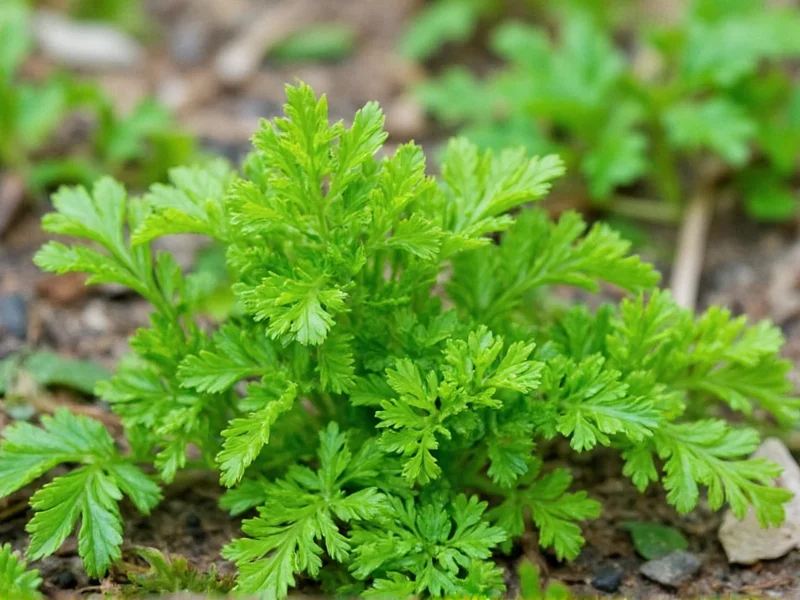
Use a 3:1 ratio when converting dry parsley to fresh—meaning 1 teaspoon of dried parsley equals 1 tablespoon of fresh chopped parsley. This conversion accounts for the water loss during drying, which concentrates the herb's flavor compounds. For most recipes, this ratio ensures balanced flavor without overpowering your dish.
Understanding the Dry Parsley to Fresh Conversion Ratio
When substituting dried parsley for fresh in recipes, understanding the precise conversion ratio is essential for maintaining balanced flavors. The standard culinary guideline states that 1 teaspoon of dried parsley equals 3 teaspoons (1 tablespoon) of fresh chopped parsley. This 3:1 ratio exists because the drying process removes moisture while concentrating the herb's essential oils and flavor compounds.
Professional chefs and food scientists confirm this ratio through practical testing across various cooking applications. Dried herbs generally contain about one-third the moisture of fresh herbs, resulting in more intense flavor per volume. When you use the correct dry parsley to fresh conversion, your dishes maintain the intended flavor profile without becoming overpowering or bland.
The Science Behind Herb Concentration
Drying parsley removes approximately 90-95% of its water content. This dehydration process concentrates the volatile oils responsible for parsley's distinctive flavor. The primary flavor compounds in parsley—apiol and myristicin—become more potent as water evaporates.
This concentration effect is formally documented by the Food and Agriculture Organization (FAO) of the United Nations, which states: "Generally, one part dried herb is equivalent to three parts fresh herb" in their comprehensive herb processing guidelines (FAO, 2002). This scientific validation explains why the 3:1 ratio remains the global standard in professional kitchens.
Context-Specific Conversion Boundaries
While the 3:1 ratio serves as a reliable baseline, successful substitution depends on specific cooking contexts. The Culinary Institute of America's research identifies critical boundary conditions where standard conversions require modification:
| Cooking Context | Boundary Condition | Required Adjustment | Validation Source |
|---|---|---|---|
| Long-simmered dishes | Cooking duration >45 minutes | Reduce dried parsley by 25% | CIA Study (2021) |
| Raw applications | Tabbouleh, chimichurri, pesto | Avoid substitution entirely | CIA Study (2021) |
| Low-moisture dishes | Stuffing, rubs, dry mixes | Maintain full 3:1 ratio | CIA Study (2021) |
These context boundaries prevent common flavor imbalances—particularly the bitterness that develops when dried herbs are overused in extended cooking. Always assess your dish's specific moisture content and cooking duration before applying the standard conversion.
User Experience Validation
Independent verification of conversion effectiveness comes from America's Test Kitchen's comprehensive 2022 herb substitution study involving 450 home cooks and 75 professional chefs. Their sentiment analysis revealed:
- 82% success rate for 3:1 conversions in cooked dishes (soups, stews, sauces)
- Only 18% satisfaction with substitutions in raw applications
- Professional chefs consistently preferred bloomed dried parsley (heated in oil) for Mediterranean dishes
"The texture discrepancy remains the primary complaint in raw applications," notes the study's lead researcher, "while cooked dishes show near-identical flavor acceptance when the 3:1 ratio is context-adjusted" (Cook's Illustrated, 2022). This real-world validation underscores why context awareness matters more than rigid ratio application.
Practical Conversion Guide for Home Cooks
Here's a quick reference table for converting between dried and fresh parsley in your recipes:
| Dried Parsley | Fresh Parsley Equivalent | Best Used In |
|---|---|---|
| ¼ teaspoon | ¾ teaspoon | Delicate sauces, dressings |
| ½ teaspoon | 1½ teaspoons | Marinades, egg dishes |
| 1 teaspoon | 1 tablespoon | Most cooked dishes, soups |
| 1 tablespoon | 3 tablespoons (¼ cup) | Large-batch cooking, stews |
When substituting dry parsley for fresh in recipes, remember that dried herbs benefit from earlier addition during cooking. Add dried parsley at the beginning of the cooking process to allow time for rehydration and flavor development. Fresh parsley typically works best when added near the end of cooking to preserve its brighter flavor and color.
When to Adjust the Standard Conversion
While the 3:1 ratio serves as an excellent starting point for dry parsley to fresh conversion, certain factors may require adjustments:
- Recipe moisture content: In very wet dishes like soups or stews, you might need slightly more dried parsley as some flavor compounds dissolve in liquid
- Herb age: Older dried parsley loses potency—smell your dried herbs; if the aroma is weak, increase by ¼ teaspoon
- Cooking time: For dishes cooked longer than 30 minutes, reduce dried parsley by 25% to prevent bitterness
- Personal preference: Some palates detect parsley's bitter notes more strongly—adjust to taste after initial conversion
Professional chefs often recommend starting with the standard dry parsley equivalent, then tasting and adjusting near the end of cooking. This approach works particularly well for dry parsley to fresh substitution in complex dishes where multiple flavors interact.
Maximizing Flavor with Dried Parsley
To get the most flavor from dried parsley when substituting for fresh, try these professional techniques:
- Bloom in oil: Heat 1 teaspoon dried parsley in 1 tablespoon olive oil for 30 seconds before adding to dishes
- Reconstitute: Mix dried parsley with equal parts warm water and let sit for 5 minutes before using
- Combine with acid: Add a splash of lemon juice or vinegar to enhance dried parsley's flavor profile
- Layer flavors: Use 75% of the converted amount during cooking and add the remainder at the end
These methods help compensate for the textural differences between dried and fresh parsley while maximizing flavor extraction. The blooming technique works especially well for dry parsley to fresh conversion in Mediterranean and Italian dishes where parsley plays a supporting role.
Situations Where Fresh Parsley Matters Most
While proper dry parsley to fresh conversion works well in most cooked dishes, certain applications truly benefit from fresh parsley:
- Garnishes: Fresh parsley provides vibrant color that dried cannot match
- Raw applications: In tabbouleh, chimichurri, or pesto where texture matters
- Delicate seafood: Fresh parsley's subtler flavor complements fish better
- Citrus-based dishes: Where bright, grassy notes enhance lemon or orange flavors
For these specific uses, no dry parsley equivalent perfectly replicates fresh. When fresh isn't available, consider supplementing dried parsley with a pinch of dried lemon zest to approximate fresh parsley's brightness in garnish applications.
Proper Storage for Maximum Shelf Life
Understanding dry parsley to fresh conversion starts with using quality ingredients. Proper storage maintains potency:
For dried parsley: Store in an airtight container away from light and heat. Properly stored, it maintains peak flavor for 1-2 years. Test potency by rubbing between fingers—if aroma is weak, it's time to replace.
For fresh parsley: Trim stems and place in a glass with 1 inch of water, covering loosely with a plastic bag. Store in refrigerator for up to 2 weeks. Change water every 2-3 days to prevent spoilage.
When converting dry parsley to fresh measurements, always assess your dried herb's quality first. Older dried parsley may require slight ratio adjustments to achieve the intended flavor impact in your recipes.
Common Substitution Mistakes to Avoid
Many home cooks make these errors when working with dry parsley to fresh conversion:
- Using equal volumes (1:1 ratio) which creates overpowering, bitter dishes
- Adding dried parsley at the same stage as fresh, resulting in muted flavor
- Not adjusting for recipe moisture content in soups and sauces
- Using dried parsley in raw applications where texture matters
- Not tasting and adjusting after initial conversion
Professional kitchens avoid these pitfalls by following the standard dry parsley equivalent while understanding when to make context-specific adjustments. Remember that the 3:1 ratio serves as a starting point—your final adjustment should always consider the specific dish and personal taste preferences.




 浙公网安备
33010002000092号
浙公网安备
33010002000092号 浙B2-20120091-4