
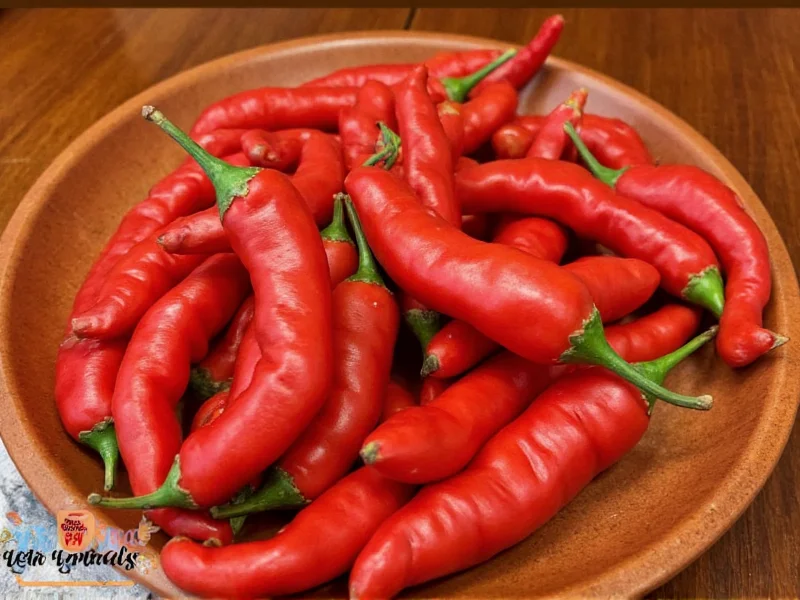
When your chili turns out spicier than expected, knowing how to fix it quickly can save your meal. The heat in chili comes from capsaicin, an oil-based compound found in chili peppers that doesn't dissolve in water but binds well with fats and dairy proteins. Understanding this chemistry is key to effectively reducing spiciness without compromising your dish's flavor profile.
Why Chili Becomes Too Spicy
Chili often becomes overly spicy due to miscalculated measurements of hot peppers or spices, using unexpectedly potent pepper varieties, or uneven distribution of heat throughout the pot. Fresh peppers like habaneros or ghost peppers contain significantly more capsaicin than milder varieties like jalapeños, and even small measurement errors can dramatically increase heat levels. The capsaicin compound is oil-soluble, which explains why drinking water does little to alleviate the burn—it simply spreads the oil around your mouth rather than neutralizing it.
Immediate Solutions for Overly Spicy Chili
When facing a pot of chili that's too spicy, you have several effective options to reduce the heat while preserving as much flavor as possible. The best method depends on what ingredients you have available and how much time you have before serving.
| Method | How It Works | Best For | Time Required |
|---|---|---|---|
| Dairy products | Casein protein binds to capsaicin | Immediate relief, all chili types | Instant |
| Acidic ingredients | Neutralizes pH, balances flavor | Tomato-based chili | 5-10 minutes simmering |
| Starchy additions | Dilutes concentration of capsaicin | Bean-heavy chili recipes | 10-15 minutes simmering |
| Sweeteners | Counteracts heat perception | Southwest-style chili | 5 minutes simmering |
| Dilution | Reduces overall capsaicin concentration | All chili types | 15-20 minutes simmering |
Contextual Limitations of Heat-Reduction Methods
While these techniques are generally effective, their applicability varies significantly based on dietary restrictions and health conditions. Understanding these boundaries prevents unintended consequences and ensures safe, personalized adjustments.
| Method | Limitations & Appropriate Contexts |
|---|---|
| Dairy products | Contraindicated for lactose-intolerant individuals (affecting ~68% of the global population) and vegans. The Academy of Nutrition and Dietetics confirms dairy alternatives lack casein's binding efficacy (source). Full-fat coconut milk offers partial relief through fat solubility but requires 25% larger quantities. |
| Acidic ingredients | Potentially harmful for GERD sufferers, as citric acid lowers esophageal pH. The American College of Gastroenterology specifically warns against acidic additives for reflux patients (source). Use only when no acid sensitivity exists. |
| Starchy additions | Impractical for low-carb diets (keto/paleo). The USDA Dietary Guidelines emphasize starches contribute 45-65% of daily carbohydrates (source), requiring recalibration of nutritional balance. |
| Sweeteners | Risky for diabetic diets without medical consultation. The American Diabetes Association mandates strict monitoring of added sugars (source); natural alternatives like roasted sweet potato are preferred. |
Dairy-Based Solutions for Reducing Chili Heat
Dairy products represent the most effective immediate solution for making chili less spicy. The casein protein in milk, yogurt, sour cream, or cheese binds to capsaicin molecules, effectively removing them from your taste receptors—a mechanism scientifically validated by the American Chemical Society's research on capsaicin chemistry (source). For best results, stir in 1/4 to 1/2 cup of full-fat dairy per quart of chili. Whole milk works well for subtle heat reduction, while sour cream or plain yogurt provides both cooling effects and a slight tang that complements chili flavors. Cheese varieties like cheddar or Monterey Jack can also help, though they'll alter the texture more significantly. Remember that non-dairy alternatives like almond or soy milk won't work as effectively since they lack casein.
Acidic Ingredients to Balance Spicy Chili
Acids provide another excellent approach for fixing overly spicy chili by counteracting the pH balance that enhances our perception of heat. Adding 1-2 tablespoons of lime juice, lemon juice, or vinegar per quart of chili can significantly reduce perceived spiciness. Tomato products like tomato paste or crushed tomatoes serve double duty—they add acidity while also diluting the capsaicin concentration. When using acidic ingredients, add them gradually while tasting, as too much acid can make your chili taste sour. Allow the chili to simmer for 5-10 minutes after adding acid to let the flavors meld properly. This method works particularly well for traditional Texas-style chili that already has a tomato base.
Starchy Additions and Dilution Techniques
Adding starches provides a physical dilution method that reduces the overall concentration of capsaicin in your chili. Beans (kidney, pinto, or black), corn, or even cooked rice can absorb some of the spicy oils while adding heartiness to your dish. For every quart of overly spicy chili, consider adding 1/2 to 1 cup of cooked beans or corn. Another effective dilution technique involves preparing additional chili base without spices and mixing it with your spicy batch. This "rescue batch" method preserves your original flavor profile while reducing heat. When using dilution methods, remember to adjust salt and other seasonings afterward, as you'll be changing the overall flavor balance.
Sweetness as a Heat Counterbalance
A small amount of sweetness can effectively counteract perceived spiciness in chili through flavor balancing. Sugar, honey, or even a touch of maple syrup (about 1 teaspoon per quart) can help tame excessive heat without making your chili taste sweet. The sweetness works by distracting your taste receptors from focusing solely on the heat sensation. For Southwestern-style chili, consider adding a small amount of roasted sweet potato or butternut squash, which provides natural sweetness along with additional texture. Be careful not to add too much sweetener, as this can create an unbalanced flavor profile. Start with small amounts and allow the chili to simmer for at least 5 minutes to let the flavors integrate.
Common Mistakes When Trying to Reduce Chili Spiciness
Many home cooks make critical errors when attempting to fix overly spicy chili. Adding more spices hoping to "balance" the heat actually compounds the problem, as most spices contain additional capsaicin or heat-enhancing compounds. Using water or broth for dilution proves ineffective since capsaicin isn't water-soluble—it merely spreads the heat throughout the dish. Some believe that adding more heat (like extra cayenne) will somehow neutralize the existing spiciness, but this only intensifies the problem. Another common mistake is adding corrective ingredients all at once rather than gradually; this can lead to overcorrection and new flavor imbalances. Always add fixatives incrementally while tasting to achieve the perfect balance.
Preventing Overly Spicy Chili in Future Batches
The best approach to managing chili heat is prevention. When working with fresh peppers, wear gloves and remove seeds and membranes—the parts containing the highest capsaicin concentrations. Measure dried spices carefully using proper measuring spoons rather than estimating. For recipes calling for "to taste" spice additions, start with half the recommended amount and gradually increase while tasting. Keep a log of your spice measurements for future reference, noting which combinations produced your ideal heat level. Consider using milder pepper varieties like ancho or guajillo for base flavor, reserving hotter peppers like cayenne for subtle heat adjustments at the end of cooking. Remember that chili's perceived heat intensifies as it sits, so what tastes moderately spicy when freshly made may become uncomfortably hot after refrigeration and reheating.
How Long to Simmer After Adding Fixes
After implementing any heat-reduction technique, proper simmering time allows flavors to integrate. Dairy additions require minimal simmering (just enough to heat through), while acidic ingredients need 5-10 minutes to mellow. Starchy additions and dilution methods benefit from 15-20 minutes of simmering to ensure even flavor distribution. Sweeteners integrate relatively quickly but need at least 5 minutes to balance properly. Always taste your chili after the recommended simmering time and make additional adjustments if necessary. Remember that chili often tastes different when cooled, so if serving later, slightly under-correct the heat knowing it will intensify as it sits.




 浙公网安备
33010002000092号
浙公网安备
33010002000092号 浙B2-20120091-4