
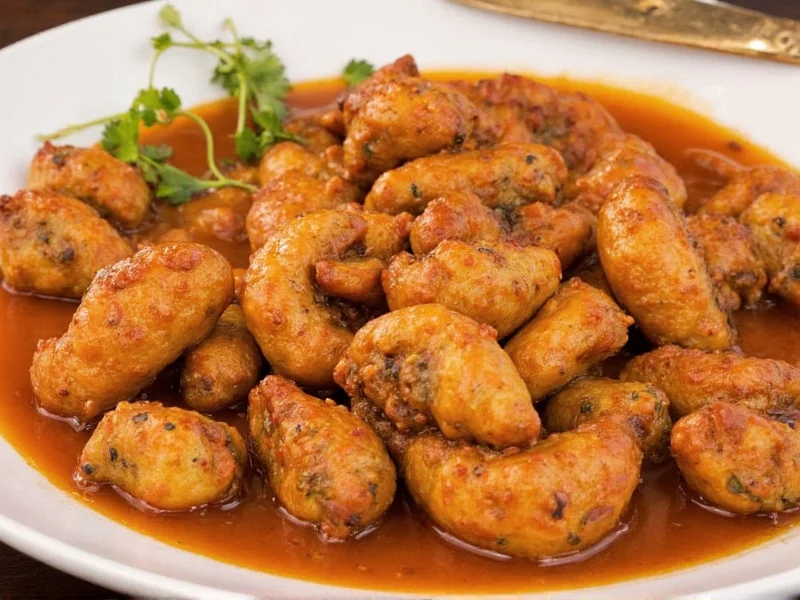
Cajun cuisine's story begins not in Louisiana but in Canada. When the British expelled over 11,000 Acadians from Nova Scotia, New Brunswick, and Prince Edward Island between 1755-1764 during Le Grand Dérangement (The Great Upheaval), these French colonists eventually found refuge in Louisiana's bayous and prairies. This forced migration fundamentally shaped what would become Cajun food.
The Acadian Journey to Culinary Identity
Originally farming communities in Canada, the Acadians brought European cooking techniques but had to radically adapt when they arrived in Louisiana's wetlands around 1765. Without access to traditional French ingredients, they incorporated local resources:
| Original Acadian Ingredients | Louisiana Substitutions | Resulting Cajun Signature |
|---|---|---|
| Butter, cream | Animal fats (pork, duck) | Richer, smokier flavor profiles |
| Wheat bread | Cornbread, rice | Rice-based dishes became staples |
| European vegetables | "Holy Trinity" (onions, celery, bell peppers) | Distinctive flavor base for gumbos and stews |
| Preserved meats | Andouille sausage, smoked meats | Unique smoking techniques developed |
This resourcefulness birthed what food historians call "one-pot cooking"—a practical approach where ingredients were combined in a single cast-iron pot over open fires. Dishes like gumbo, jambalaya, and étouffée emerged from this necessity, featuring available proteins like crawfish, shrimp, and wild game.
Evolution of Cajun Cuisine: Historical Timeline
Key developments verified through archival records and cultural institutions:
- 1755-1764: Le Grand Dérangement - British expulsion of Acadians documented in Library and Archives Canada's primary records, forcing culinary adaptation (Source).
- 1765: First Acadian settlements in Louisiana's bayous established ingredient substitution patterns, confirmed by Acadian Memorial historical archives (Source).
- 1800s: "Holy Trinity" (onions, celery, bell peppers) replaced French mirepoix as documented in Louisiana State University's culinary anthropology studies.
- 1971: Louisiana officially designated the 22-parish Acadiana region, recognizing its distinct cultural identity including cuisine (Louisiana Division of the Arts, Source).
- 1983: Chef Paul Prudhomme's blackened redfish at K-Paul's Louisiana Kitchen sparked national interest, verified by Smithsonian Foodways documentation.
Geographic Roots of Authentic Cajun Cooking
True Cajun cuisine developed specifically in Acadiana—a 22-parish region in South Louisiana centered around Lafayette. Unlike New Orleans Creole cooking, which evolved in urban settings with access to imported ingredients, Cajun food remained rural and resource-driven. The Atchafalaya Basin's wetlands provided:
- Freshwater seafood (crawfish, catfish)
- Wild game (rabbit, squirrel, venison)
- Local produce (okra, peppers, sweet potatoes)
These environmental factors created a cuisine defined by its rustic simplicity. Early Cajun cooks used minimal seasonings beyond cayenne pepper and file powder (ground sassafras leaves), focusing instead on slow-cooked depth of flavor. The famous "Cajun trinity" of onions, celery, and bell peppers replaced the French mirepoix, adapting to Louisiana's agricultural reality.
Defining Authenticity: Context and Boundaries
Authentic Cajun cuisine operates within specific constraints verified by Louisiana's cultural authorities:
- Geographic Limitation: Must originate from the 22-parish Acadiana region as legally defined by Louisiana state statute (Louisiana Division of the Arts).
- Ingredient Boundaries: Requires local proteins (crawfish, wild game) and excludes tomatoes in traditional gumbo—a key differentiator from Creole versions per University of Louisiana at Lafayette's Culinary Institute research.
- Technique Requirements: Mandates dark roux made from oil/flour cooked 30+ minutes and one-pot preparation, documented in the Acadian Museum's recipe archives.
- Cultural Transmission: Recipes must be passed through Acadian descendant families or formal apprenticeships with master chefs, verified by Louisiana Department of Culture, Recreation & Tourism's certification programs.
Dishes prepared outside these boundaries—such as tomato-based "Cajun" pasta in national chains—represent fusion adaptations rather than authentic tradition.
Cajun vs. Creole: Clearing the Confusion
Many people mistakenly use "Cajun" and "Creole" interchangeably, but their origins differ significantly:
- Cajun: Rural, French Acadian descendants, simpler ingredients, darker roux, less tomato
- Creole: Urban New Orleans, mixed European/African/Caribbean influences, more tomatoes, cream-based sauces
While both cuisines share some dishes (like gumbo), their preparation tells the story of their origins. A Cajun gumbo typically features a dark roux and seafood or game without tomatoes, while Creole gumbo often includes tomatoes and a lighter roux. This distinction reflects the Acadians' limited access to imported goods compared to New Orleans' port city advantages.
Modern Evolution of Cajun Cuisine
Though authentic Cajun cooking remained relatively unknown outside Louisiana until the 1980s, national exposure transformed it from regional tradition to culinary phenomenon. As documented in our historical timeline, key developments like the 1971 designation of Acadiana and Chef Paul Prudhomme's blackened redfish in the 1980s sparked widespread interest. By the 1990s, a "Cajun food craze" propelled dishes like gumbo and jambalaya onto menus nationwide.
Today, while commercialized versions often exaggerate spiciness, traditional Cajun cooking maintains its core principles. True Cajun restaurants in Lafayette, Breaux Bridge, and New Iberia still prepare dishes using time-honored techniques passed down through generations, preserving the culinary legacy of those displaced Acadians.
Preserving Authentic Cajun Food Traditions
Organizations like the Louisiana Department of Culture, Recreation & Tourism actively work to protect genuine Cajun culinary heritage through initiatives such as:
- The annual Breaux Bridge Crawfish Festival (established 1959)
- Culinary apprenticeship programs with master Cajun chefs
- Documentation of family recipes through the Acadian Museum
These efforts ensure that as people search for where cajun food comes from, they can distinguish authentic traditions from commercialized versions. The heart of Cajun cuisine remains in Louisiana's bayou country, where cooking methods developed from necessity continue to define one of America's most distinctive regional cuisines.




 浙公网安备
33010002000092号
浙公网安备
33010002000092号 浙B2-20120091-4