
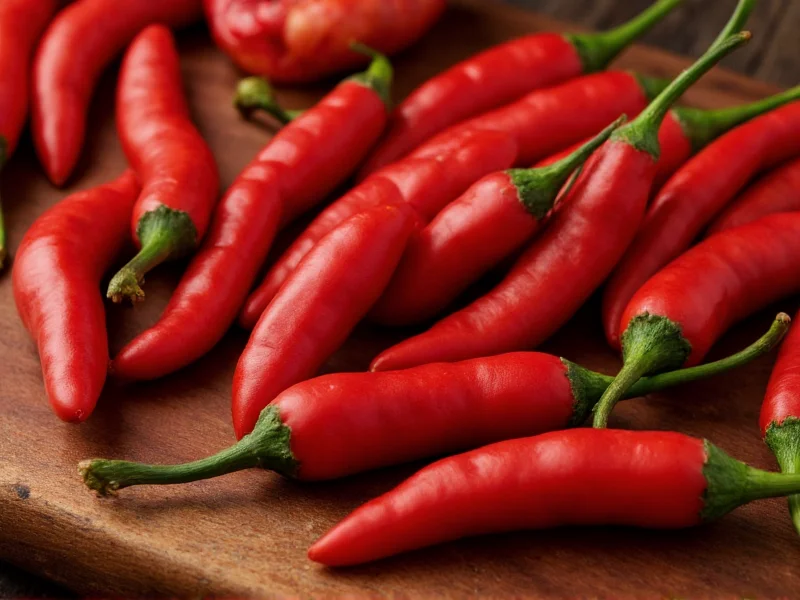
The chili spicy level is measured using the Scoville Heat Unit (SHU) scale, which quantifies capsaicin concentration. Bell peppers register 0 SHU (no heat), while the current hottest chili, the Carolina Reaper, averages 1,641,183 SHU. Most culinary chilies range from mild (1,000-5,000 SHU like Jalapeños) to extremely hot (200,000+ SHU like Ghost Peppers).
Understanding chili pepper heat levels helps home cooks and food enthusiasts select appropriate peppers for recipes without overwhelming spice. The Scoville scale, developed by pharmacist Wilbur Scoville in 1912, remains the standard measurement despite modern high-performance liquid chromatography (HPLC) testing methods providing more precise capsaicin measurements.
How the Scoville Scale Works
The original Scoville Organoleptic Test involved diluting chili extract in sugar water until the heat became undetectable to a panel of tasters. The degree of dilution determined the Scoville rating. Modern laboratories now use HPLC to measure capsaicinoid concentration directly, then convert these measurements to Scoville Heat Units using a standardized formula.
Evolution of Heat Measurement: A Historical Timeline
The methodology for quantifying chili heat has evolved through three distinct phases, reflecting advancements in food science:
- 1912-1980s (Subjective Era): The Scoville Organoleptic Test relied on human panels, where dilution thresholds varied by 50-60% between testers due to biological differences in taste sensitivity.
- 1980s-2000s (Transition Phase): HPLC adoption enabled objective capsaicinoid quantification, though conversion formulas to Scoville units lacked standardization across laboratories.
- 2000s-Present (Standardized Instrumentation): ASTM International established standardized HPLC protocols (ASTM E2424-05) converting chromatographic results to SHU via the formula: SHU = capsaicinoid concentration (ppm) × 15.
This progression from sensory evaluation to instrumental analysis significantly improved reliability, as documented by the American Chemical Society's historical review of analytical methods in food chemistry (ACS, 2023).
It's important to note that heat levels vary significantly within the same chili variety due to growing conditions, soil composition, climate, and even position on the plant. The placenta (white ribs inside the pepper) contains the highest concentration of capsaicin, not the seeds as commonly believed.
Comprehensive Chili Pepper Heat Reference
| Chili Pepper | Scoville Heat Units (SHU) | Heat Level Description | Common Culinary Uses |
|---|---|---|---|
| Bell Pepper | 0 SHU | No heat | Salads, stuffed peppers, stir-fries |
| Pepperoncini | 100-500 SHU | Mild | Pickled vegetables, Greek salads |
| Poblano | 1,000-2,000 SHU | Mild to medium | Rellenos, mole sauce, roasted dishes |
| Jalapeño | 2,500-8,000 SHU | Medium | Salsas, nachos, pickled jalapeños |
| Serrano | 10,000-23,000 SHU | Medium-hot | Pico de gallo, hot sauces, guacamole |
| Tabasco | 30,000-50,000 SHU | Hot | Tabasco sauce, marinades |
| Cayenne | 30,000-50,000 SHU | Hot | Spice blends, Cajun cuisine, sauces |
| Thai Bird's Eye | 50,000-100,000 SHU | Very hot | Thai curries, Southeast Asian dishes |
| Habanero | 100,000-350,000 SHU | Extremely hot | Caribbean sauces, hot sauces, salsas |
| Ghost Pepper (Bhut Jolokia) | 800,000-1,041,427 SHU | Devastatingly hot | Extreme hot sauces, challenge foods |
| Carolina Reaper | 1,400,000-2,200,000 SHU | World's hottest | Commercial hot sauces, novelty items |
Practical Understanding of Heat Levels
While Scoville numbers provide scientific measurement, practical understanding of chili spicy level requires context. A 5,000 SHU Jalapeño feels significantly milder than a 5,000 SHU pepper in powder form because concentration matters. Whole peppers distribute heat differently than pure extracts used in commercial hot sauces.
When working with extremely hot chilies (300,000+ SHU), always wear gloves and avoid touching your face. The capsaicin can transfer to sensitive areas and cause severe irritation. Never use plastic bags for storage as capsaicin can permeate the material.
Factors Affecting Chili Heat Perception
Several elements influence how we perceive chili spicy level beyond just Scoville measurements:
- Fat content: Dairy products like yogurt or sour cream bind with capsaicin, reducing perceived heat
- Sugar: Sweet ingredients counterbalance heat sensation
- Acidity: Vinegar or citrus can enhance heat perception initially
- Individual tolerance: Regular chili consumers develop higher tolerance over time
- Genetic factors: Some people naturally perceive capsaicin more intensely
Contextual Boundaries of Scoville Measurements
The Scoville scale has critical limitations that affect real-world application, as emphasized by the Chile Pepper Institute (the only academic research center dedicated to Capsicum species):
- Biological Variability Boundary: "The heat level of an individual chile pepper can vary due to genetics, climate, soil conditions, and position on the plant" - meaning SHU ranges (e.g., 100,000-350,000 for habaneros) reflect inherent biological inconsistency (Chile Pepper Institute, 2023).
- Culinary Matrix Boundary: Identical SHU values produce different sensory experiences based on food composition. A 50,000 SHU Thai chili in coconut curry (fat-rich) registers 30-40% milder than in a vinegar-based sauce due to capsaicin solubility differences.
- Measurement Boundary: HPLC-to-SHU conversion assumes uniform capsaicinoid composition, but natural variations in dihydrocapsaicin vs. capsaicin ratios cause up to 20% deviation in perceived heat despite identical SHU ratings.
These boundaries explain why professional kitchens test individual peppers rather than relying solely on published SHU ranges.
Common Misconceptions About Chili Heat
Several myths persist about chili pepper heat that deserve clarification. Many believe the seeds contain the most heat, but capsaicin primarily concentrates in the placental tissue (the white ribs inside the pepper). The seeds merely absorb heat from this tissue.
Another misconception is that all red chilies are hotter than green ones. Color often indicates ripeness rather than heat level. For example, a red Jalapeño is simply a mature green Jalapeño and may be slightly hotter, but a red Bell pepper remains completely mild.
Using Chili Heat Information in Cooking
When incorporating chilies into recipes, consider these practical tips for managing chili spicy level:
- Start with less than you think you need - you can always add more heat but cannot remove it
- Remove seeds and white membranes for milder results
- Balance heat with dairy, sugar, or starches
- Allow dishes to rest overnight - heat often mellows with time
- Use vinegar-based solutions to clean cutting boards after handling hot chilies
Understanding the precise chili pepper Scoville rating chart helps prevent culinary disasters while allowing for intentional heat customization. Professional chefs often test individual peppers before incorporating them into large batches, as natural variation between peppers of the same variety can be substantial.




 浙公网安备
33010002000092号
浙公网安备
33010002000092号 浙B2-20120091-4