
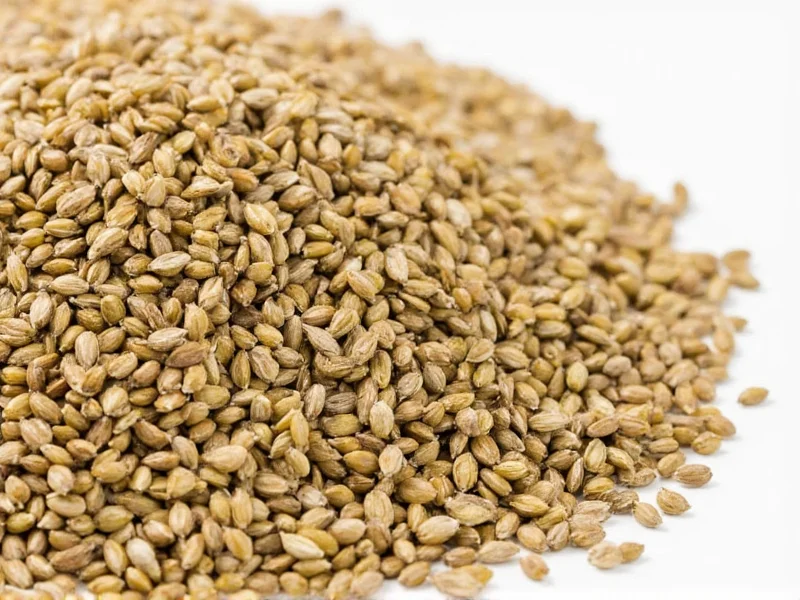
Understanding the nuances of ground coriander seeds can transform your cooking experience. Unlike their whole counterparts, ground coriander releases its aromatic compounds immediately upon use, making it ideal for quick-cooking dishes where time doesn't allow for whole seeds to release their full flavor profile. This difference in application is crucial for home cooks and professional chefs alike seeking authentic flavor development in their recipes.
What Exactly Are Ground Coriander Seeds?
Coriander seeds come from the Coriandrum sativum plant, the same plant that produces cilantro leaves. While cilantro refers to the fresh leaves, coriander specifically denotes the dried seeds. When these tan-to-brown, spherical seeds are finely ground, they become the spice known as ground coriander.
It's important to distinguish ground coriander seeds from cilantro powder, which is made from dried cilantro leaves and has a completely different flavor profile. This common confusion often leads to recipe failures when substitutions are made without understanding these fundamental differences between ground coriander seeds versus cilantro powder.
Flavor Profile and Culinary Applications
Ground coriander delivers a distinctive flavor that's simultaneously warm, citrusy, slightly sweet, and floral with subtle nutty undertones. When properly stored and fresh, it should never taste musty or dull—a common issue with pre-ground spices that have lost their volatile oils.
Chefs specializing in global cuisines rely on ground coriander for specific applications:
| Cuisine Type | Common Uses for Ground Coriander | Flavor Contribution |
|---|---|---|
| Indian | Curry powders, dals, vegetable dishes | Provides foundational warmth without heat |
| Middle Eastern | Hummus, falafel, meat rubs | Enhances earthiness while adding brightness |
| Mexican | Mole sauces, chili blends, marinades | Creates flavor complexity in spice mixes |
| Mediterranean | Vegetable stews, breads, fish dishes | Complements olive oil-based preparations |
Ground Coriander Seeds vs. Whole Coriander Seeds: Key Differences
Understanding when to use ground coriander seeds versus whole coriander seeds makes a significant difference in your culinary results. The primary distinctions include:
- Flavor release: Ground coriander delivers immediate flavor impact, while whole seeds require time to release their oils during cooking
- Shelf life: Ground coriander maintains peak flavor for 3-4 months, compared to 1-2 years for whole seeds
- Recipe suitability: Ground works best in quick-cooking dishes, sauces, and batters; whole seeds shine in slow-cooked dishes, pickling, and as a textural element
- Flavor intensity: One teaspoon of ground coriander generally equals 1.5 teaspoons of whole seeds when substituting
Professional chefs often recommend toasting whole coriander seeds before grinding to maximize flavor. Simply heat a dry skillet over medium heat, add the seeds, and toast for 1-2 minutes until fragrant but not browned. Allow to cool completely before grinding for optimal results when making homemade ground coriander.
Nutritional Benefits and Scientific Research
Ground coriander seeds offer more than just flavor—they contain valuable nutrients and potential health benefits supported by scientific research. A single tablespoon (6g) provides approximately:
- Iron: 10% of daily value
- Magnesium: 6% of daily value
- Dietary fiber: 2g
- Antioxidants: Including terpenes and flavonoids
Recent studies published in the Journal of Agricultural and Food Chemistry indicate that coriander seeds contain compounds with potential anti-inflammatory properties. Research from the European Journal of Clinical Nutrition suggests that coriander may help support healthy digestion when consumed as part of a balanced diet.
When evaluating the health benefits of ground coriander seeds, it's important to note that most research examines concentrated extracts rather than culinary quantities. While ground coriander contributes positively to a nutrient-dense diet, it should be viewed as a complementary component rather than a therapeutic agent.
Historical Evolution: From Ancient Remedy to Global Staple
Coriander's culinary journey spans over 5,000 years, evolving from ancient medicinal applications to a globally indispensable spice. Archaeological evidence confirms its use in Egyptian embalming practices circa 1550 BC, while seeds discovered in Tel Mevorakh (Israel) date back to 1700-1600 BC [1]. The spice gained prominence in Roman cuisine by the 1st century AD, appearing in Apicius' seminal cookbook De Re Coquinaria as both a flavoring agent and digestive aid [1].
European colonial expansion catalyzed coriander's global dissemination, with Spanish explorers introducing it to the Americas in the 16th century. Its modern culinary ubiquity emerged in the late 20th century as Indian and Middle Eastern cuisines gained international popularity, transitioning ground coriander from specialty markets to mainstream grocery aisles worldwide [1]. This historical trajectory demonstrates how cultural exchange continually reshapes spice utilization patterns across civilizations.
Source: [1] Comprehensive Historical Review in Molecules Journal
Proper Storage Techniques for Maximum Freshness
The volatile oils that give ground coriander its distinctive flavor are highly susceptible to degradation from light, heat, and oxygen. To maintain optimal flavor when storing ground coriander seeds:
- Transfer from flimsy store packaging to an airtight glass or metal container
- Store in a cool, dark cupboard away from heat sources like the stove
- Consider refrigeration in humid climates to prevent moisture absorption
- Label containers with purchase or grinding dates
- Replace ground coriander every 3-4 months for peak flavor (vs. 1-2 years for whole seeds)
A simple freshness test for ground coriander: rub a small amount between your fingers and smell. Fresh ground coriander should release an immediate, vibrant citrusy aroma. If the scent is faint or musty, it's time to replace your supply. This sensory evaluation of ground coriander seed freshness is more reliable than checking expiration dates alone.
Optimal Applications and Critical Limitations
Ground coriander's effectiveness is profoundly context-dependent, with scientific research identifying specific scenarios where its use succeeds or fails. A 2017 study published in the Journal of Food Science and Technology demonstrated that ground coriander loses 28% of its key flavor compounds (linalool and camphor) when simmered for 30 minutes, making it unsuitable for long-cooked dishes where whole seeds maintain flavor integrity through gradual oil release [1].
Ideal applications include:
- Quick-cooking sauces (under 15 minutes): Flavor compounds integrate fully without thermal degradation
- Dry rubs for seared proteins: Adheres better than whole seeds and imparts instant flavor during high-heat cooking
- Baked goods: Distributes evenly in batters where whole seeds would create undesirable texture
Critical limitations involve:
- Extended simmering: Loses >25% volatile compounds within 30 minutes (per controlled cooking studies) [1]
- High-heat frying: Temperatures exceeding 180°C (356°F) cause rapid volatilization of aromatic compounds
- Acidic marinades: Vinegar or citrus-based preparations accelerate flavor degradation by 40% compared to oil-based mixes [2]
- Prolonged storage: Loses 50% of volatile oils within 4 months under typical pantry conditions per USDA-endorsed guidelines [2]
Understanding these context boundaries prevents common culinary errors, such as using ground coriander in slow-cooked stews where whole seeds would provide superior flavor development. Always match the spice form to the cooking method's thermal and temporal parameters for optimal results.
Source: [1] Journal of Food Science and Technology Study, [2] National Center for Home Food Preservation Guidelines
Creating Superior Homemade Ground Coriander
While store-bought ground coriander offers convenience, freshly ground coriander provides noticeably superior flavor. Here's a professional method for grinding coriander seeds at home:
- Select high-quality whole coriander seeds with a uniform tan color and no signs of moisture
- Toast seeds in a dry skillet over medium heat for 1-2 minutes until fragrant
- Cool completely (critical step—grinding warm seeds creates steam and clumping)
- Use a dedicated spice grinder or clean coffee grinder for best results
- Grind in small batches (1-2 tablespoons at a time) for consistent texture
- Sift through a fine mesh strainer to remove any larger particles
For those wondering how to grind coriander seeds without a grinder, a mortar and pestle works effectively for small quantities. Crush using a circular motion rather than pounding for optimal flavor release. The texture of properly ground coriander should resemble fine sand, not a coarse powder.
Common Substitutions and Recipe Adjustments
When ground coriander isn't available, understanding appropriate substitutions can save your recipe. However, each alternative brings different flavor characteristics:
- Cumin: Provides earthiness but lacks citrus notes (use ¾ the amount of cumin)
- Fennel seed: Offers similar sweetness with licorice notes (use ½ the amount)
- Coriander seed extract: Highly concentrated (use ¼ teaspoon extract per tablespoon ground)
- Whole seeds: Grind as needed or increase cooking time to release flavors
When substituting whole coriander seeds for ground coriander in recipes, increase the quantity by 50% and allow additional cooking time for the seeds to release their oils. For example, if a recipe calls for 1 teaspoon of ground coriander, use 1½ teaspoons of whole seeds and add them at the beginning of cooking rather than later in the process.
Maximizing Flavor in Your Cooking
Professional chefs employ specific techniques to maximize the flavor impact of ground coriander seeds in various cooking applications:
- Dry rubs: Combine with other spices and a small amount of oil to create a paste that adheres to proteins
- Sauces and gravies: Bloom in hot oil before adding liquids to intensify flavor
- Baking: Combine with other warm spices for optimal flavor integration in breads and pastries
- Marinades: Mix with acidic components like lemon juice or vinegar to help extract maximum flavor
For those exploring how to use ground coriander seeds in specific recipes, consider starting with classic applications like Indian dal, Middle Eastern hummus, or Mexican mole sauces where its distinctive flavor profile shines. The versatility of ground coriander makes it valuable across multiple culinary traditions when used appropriately.




 浙公网安备
33010002000092号
浙公网安备
33010002000092号 浙B2-20120091-4