
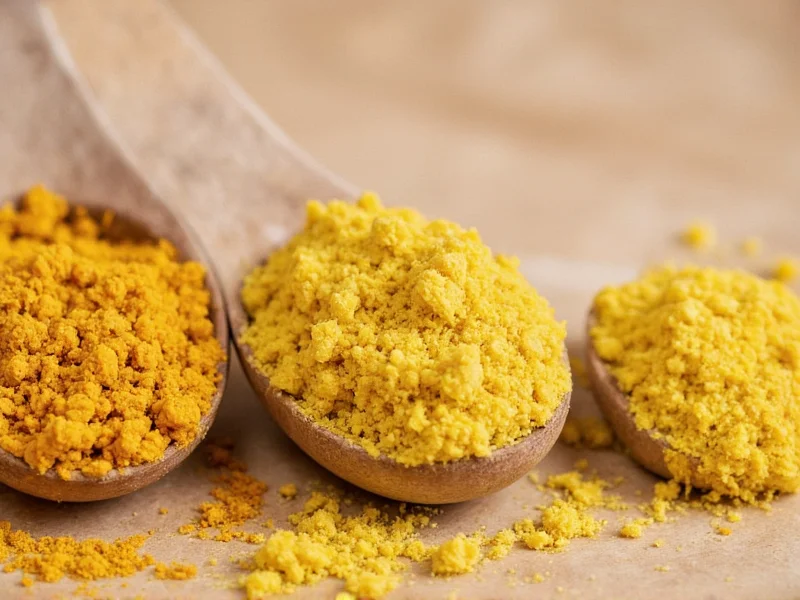
Running out of mustard mid-recipe can derail your cooking plans, but several pantry staples make excellent replacements. Whether you're preparing salad dressings, marinades, or sandwiches, understanding which alternatives work best for specific mustard varieties ensures your dishes maintain their intended flavor profile. This guide explores practical substitutes that deliver similar tanginess, emulsifying properties, and depth of flavor that mustard provides in various culinary applications.
Top Mustard Alternatives for Common Culinary Uses
Mustard serves multiple functions in cooking: adding tang, emulsifying dressings, enhancing meat flavors, and providing color. The right substitute depends on which property you need to replicate. Below we've analyzed the most effective alternatives based on flavor profile, texture, and culinary application.
| Substitute | Best For | Ratio | Flavor Notes | Limitations |
|---|---|---|---|---|
| Mayonnaise + vinegar | Salad dressings, sandwiches | 3:1 mayo to vinegar | Milder, creamy tang | Lacks sharpness of yellow mustard |
| Horseradish sauce | Meat glazes, roast beef sandwiches | 1:1 replacement | Sharp, sinus-clearing heat | Stronger flavor than most mustards |
| Tahini + lemon juice | Vegan dressings, dips | 2:1 tahini to lemon | Nutty with bright acidity | Distinct sesame flavor |
| Worcestershire sauce | Meat marinades, gravies | 1 tsp per tbsp mustard | Umami-rich, fermented tang | Contains anchovies (not vegan) |
| Wasabi paste | Asian-inspired dishes | 1/2:1 wasabi to water | Intense heat that fades quickly | Flavor profile differs significantly |
| Turmeric + vinegar | Yellow mustard replacement | 1/4 tsp turmeric + 1 tbsp vinegar | Similar color, mild tang | Lacks complexity of mustard |
| Yogurt + lemon zest | Light dressings, dips | 1:1 replacement | Creamy with subtle tang | Not suitable for cooked dishes |
Detailed Analysis of Mustard Substitutes
Mayonnaise-Based Alternatives
When seeking a mustard substitute for salad dressing, mayonnaise combined with vinegar creates a surprisingly effective replacement. Mix three parts mayonnaise with one part white vinegar or apple cider vinegar, plus a pinch of turmeric for color. This combination works particularly well in coleslaw, potato salad, and sandwich spreads where the creamy texture matters as much as the tang. For those wondering what can I use instead of yellow mustard in classic American dishes, this blend maintains the familiar texture while delivering comparable acidity.
Horseradish as a Bold Replacement
Horseradish sauce serves as an excellent substitute when you need sharpness without the seediness of mustard. Use it in a 1:1 ratio for recipes requiring Dijon mustard, particularly in meat glazes and roast beef sandwiches. The sinus-clearing heat differs from mustard's tang but provides a similar pungent quality. When preparing substitute for mustard in deviled eggs, mix horseradish with Greek yogurt for a sophisticated twist that maintains the creamy texture while adding complexity.
Vegan and Plant-Based Options
For those following plant-based diets, tahini combined with lemon juice creates a versatile vegan alternative to mustard. Blend two tablespoons of tahini with one tablespoon of fresh lemon juice and a pinch of garlic powder. This mixture works beautifully in dressings and dips, providing emulsification similar to mustard. Another excellent gluten-free mustard substitute is a blend of aquafaba (chickpea brine) with rice vinegar, which mimics the texture of Dijon mustard while remaining completely plant-based.
Selecting the Right Substitute for Your Recipe
The key to successful substitution lies in understanding which property of mustard your recipe requires. For emulsification in dressings, focus on substitutes with similar fat content like mayonnaise blends. When tanginess drives the flavor profile, acidic components like vinegar or citrus become more important. For color matching in dishes like deviled eggs, turmeric-based substitutes work best.
Consider these guidelines when choosing your substitute:
- For marinades: Worcestershire sauce or a blend of soy sauce with vinegar provides similar tenderizing properties
- For dressings: Yogurt-lemon or tahini-lemon combinations maintain emulsification
- For sandwiches: Horseradish mayo or wasabi cream add comparable pungency
- For baking: Turmeric-vinegar mixtures provide color without altering texture
Common Substitution Mistakes to Avoid
Many home cooks make critical errors when replacing mustard. The most frequent mistake involves using straight vinegar as a substitute, which provides acidity but lacks the complexity and emulsifying properties of mustard. Another common error is not adjusting quantities properly—remember that how to replace mustard in marinades requires different ratios than substituting in dressings.
When substituting in cooked dishes, add your alternative toward the end of cooking to preserve flavor integrity. Mustard's flavor compounds break down with prolonged heat, so many substitutes behave similarly. For cold applications like dressings, allow your substitute mixture to rest for 15-20 minutes before using to let flavors meld properly.
Creative Uses for Mustard Substitutes
Substitutes aren't just for emergency replacements—they can enhance recipes in unexpected ways. Try using wasabi paste instead of Dijon in tuna salad for an Asian-inspired twist, or incorporate horseradish into deviled eggs for extra kick. Tahini-based substitutes work beautifully in Mediterranean dishes where traditional mustard would seem out of place.
Professional chefs often use these alternatives intentionally to create signature flavors. A blend of Greek yogurt and lemon zest makes an excellent substitute for mustard in deviled eggs that appeals to those who dislike traditional mustard's sharpness while maintaining the creamy texture essential to the dish.




 浙公网安备
33010002000092号
浙公网安备
33010002000092号 浙B2-20120091-4