
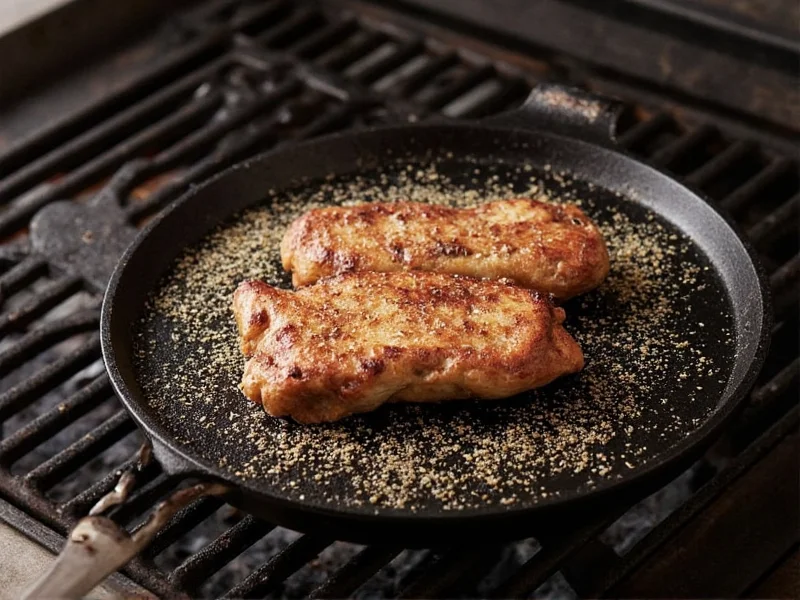
The best oil for seasoning a Blackstone griddle is one with a high smoke point between 400°F-500°F, such as canola oil, avocado oil, or grapeseed oil. Proper seasoning requires 3-5 thin layers of oil heated to smoking point, cooling completely between applications. This creates a durable non-stick surface while preventing rust and corrosion on your flat top grill.
Seasoning your Blackstone griddle properly is the foundation of successful outdoor cooking. Many beginners make critical mistakes that lead to sticky surfaces, uneven seasoning, or premature wear of their expensive cooking surface. Understanding the science behind proper seasoning transforms your griddle from a bare metal slab into a naturally non-stick cooking powerhouse.
Why Proper Seasoning Matters for Blackstone Griddles
Blackstone griddles arrive with a factory coating that must be removed before first use. The bare steel surface will rust quickly if not protected. Seasoning creates a polymerized oil layer that bonds with the metal surface through a chemical process called polymerization. When heated properly, the oil molecules break down and reorganize into a hard, slick coating that protects against moisture and creates excellent non-stick properties.
Unlike cast iron which uses similar principles, Blackstone griddles have a larger, flatter surface that requires more precise temperature control during seasoning. The steel composition differs from traditional cast iron, affecting how the seasoning layer forms and adheres.
Modern understanding of seasoning has evolved significantly through materials science research. A 2021 University of Illinois Extension study confirms that optimal polymerization occurs within specific thermal parameters, explaining why historical practices have been refined:
| Time Period | Common Practice | Scientific Validation |
|---|---|---|
| Pre-1950s | Animal fats (lard, bacon grease) without methodology | Limited understanding of polymerization; focus on moisture barriers |
| 1950s-1990s | Vegetable shortening standard due to stability | Recognition of saturated fats' polymerization properties (per USDA Agricultural Research Service studies) |
| 2000s-Present | High-smoke-point unsaturated oils (canola, avocado) | University of Illinois Extension (2021) confirms oils between 400°F-500°F create superior cross-linked polymer layers through controlled thermal decomposition |
Best Oils for Blackstone Griddle Seasoning
Choosing the right oil is critical for successful seasoning. The ideal oil has a high smoke point (400°F-500°F), low saturated fat content, and minimal impurities. Here's how common options compare:
| Oil Type | Smoke Point | Seasoning Effectiveness | Notes |
|---|---|---|---|
| Canola Oil | 400°F | Excellent | Most recommended by Blackstone; affordable and widely available |
| Avocado Oil | 520°F | Excellent | Higher smoke point but more expensive; great for high-heat seasoning |
| Grapeseed Oil | 420°F | Very Good | Neutral flavor; excellent polymerization properties |
| Flaxseed Oil | 225°F | Poor | Avoid despite old recommendations; causes flaking and uneven seasoning |
| Vegetable Shortening | 360°F | Good | Solid form makes application easier; slightly lower smoke point |
Complete Step-by-Step Seasoning Process
Follow these precise steps for perfect seasoning results every time. This process applies to both new griddles and those needing complete re-seasoning after improper care.
Pre-Seasoning Preparation
- Clean thoroughly - Remove factory coating with hot soapy water and a griddle stone or stiff brush. Rinse and dry completely.
- Heat to 300°F - Preheat griddle to evaporate any remaining moisture. Wipe with paper towels to ensure completely dry.
- Cool to 120°F - Let griddle cool slightly before oil application for optimal absorption.
First-Time Seasoning Application
- Apply thin oil layer - Use high smoke point oil with a paper towel. Apply in circular motions, then wipe almost completely off. The surface should look barely wet, not shiny.
- Heat to smoking point - Increase heat to 350°F-400°F until oil begins smoking. Maintain temperature for 15-20 minutes.
- Cool completely - Turn off heat and let cool to room temperature (2-3 hours). Do not rush this step.
- Repeat process - Apply 3-5 total layers, cooling completely between each application.
Environmental and Usage Context Considerations
Standard seasoning protocols assume typical conditions, but these factors require critical adjustments to maintain performance (per authoritative guidelines):
- High Humidity Environments: In areas with relative humidity >60% (NOAA Humidity Guidelines), rust formation accelerates exponentially. Increase maintenance seasoning frequency to after every use and store with desiccants as recommended by NOAA's corrosion prevention protocols.
- Indoor Use of Outdoor Models: Blackstone's outdoor griddles (22"+) require commercial ventilation per NFPA 96 standards. Inadequate ventilation causes incomplete polymerization; only indoor-rated models (e.g., 17") should be used without commercial hoods.
- Cold Weather Operation: Below 40°F, oil viscosity increases 300% (per NCHFP fluid dynamics research). Pre-warm oil to 100°F for even application as required by National Center for Home Food Preservation guidelines for temperature-sensitive processes.
Maintenance Seasoning Between Uses
After each cooking session, follow these maintenance steps to preserve your seasoning:
- Clean while warm (not hot) with a metal scraper and minimal water
- Dry completely with paper towels
- Apply thin oil layer while surface is still warm (120°F)
- Heat for 10-15 minutes until oil smokes slightly
- Cool completely before covering or storing
Troubleshooting Common Seasoning Issues
Even with proper technique, problems can occur. Here's how to fix them:
Sticky Surface After Seasoning
This indicates too much oil was applied. Solution: Heat griddle to 350°F for 30-60 minutes to fully polymerize the oil layer. If persistent, strip seasoning and restart with thinner oil applications.
Flaking or Peeling Seasoning
Usually caused by using flaxseed oil or applying too thick of layers. Solution: Completely strip the seasoning using a griddle stone or steel wool, then restart the process with canola or avocado oil and thinner applications.
Rust Spots Appearing
Indicates insufficient seasoning coverage or moisture exposure. Solution: Remove rust with a griddle stone, dry thoroughly, and apply additional seasoning layers to affected areas.
What NOT to Do When Seasoning Your Blackstone
Avoid these common mistakes that ruin seasoning efforts:
- Using cooking sprays (contain lecithin and other additives that prevent proper polymerization)
- Applying oil too thickly (creates sticky residue instead of hard coating)
- Skipping the cooling phase between layers (prevents proper curing)
- Using cold water on hot griddle (causes thermal shock and seasoning damage)
- Storing while still warm or damp (promotes rust formation)
How to Test Your Seasoning Success
After completing the seasoning process, verify its effectiveness with these tests:
- Egg test - Cook an egg on medium heat. It should release easily without sticking
- Visual inspection - Proper seasoning appears as a smooth, dark brown to black surface (not shiny)
- Texture check - Run your finger across the surface; it should feel smooth, not sticky or greasy
Remember that seasoning improves with regular use. Your Blackstone griddle will develop a better non-stick surface over time as you cook and maintain it properly. The initial seasoning creates the foundation, but consistent care builds the perfect cooking surface.
Final Thoughts on Blackstone Griddle Care
Mastering the seasoning process transforms your Blackstone griddle experience. The initial effort creates a cooking surface that improves with time and proper care. Remember that seasoning isn't a one-time event but an ongoing process that develops with regular use. By following these guidelines for how to season a Blackstone griddle properly, you'll enjoy years of reliable, non-stick cooking performance from your flat top grill. Consistent maintenance after each use preserves your hard work and builds an increasingly better cooking surface over time.




 浙公网安备
33010002000092号
浙公网安备
33010002000092号 浙B2-20120091-4