
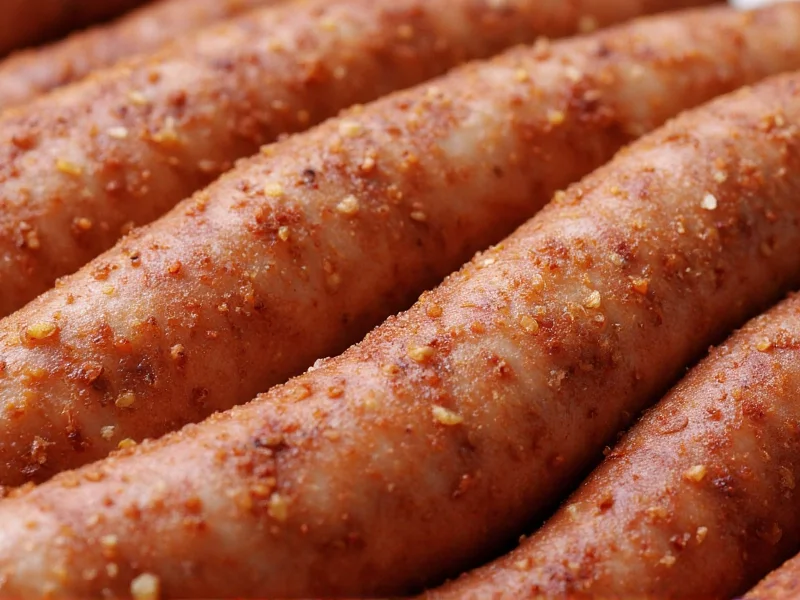
Creating authentic bratwurst begins with understanding the precise seasoning blend that gives this German sausage its distinctive flavor. While regional variations exist across Germany, the core components remain consistent in traditional recipes that have been perfected over centuries. This guide provides the essential knowledge for crafting genuine bratwurst seasoning that captures the authentic taste cherished in German culinary tradition.
The Essential Components of Authentic Bratwurst Seasoning
At the heart of traditional bratwurst seasoning lies a carefully balanced combination of spices that complement rather than overpower the natural flavor of the pork. Marjoram serves as the signature herb, typically comprising 40-50% of the spice blend. This delicate herb provides the floral, slightly citrusy note that distinguishes bratwurst from other sausages.
Nutmeg adds warmth and depth, while white pepper contributes subtle heat without the visual distraction of black specks. Ginger provides a gentle warmth that enhances the overall flavor complexity. Some regional variations incorporate caraway for earthiness or coriander for citrus notes, but these remain secondary to the primary quartet of marjoram, nutmeg, ginger, and white pepper.
Traditional Bratwurst Seasoning Proportions
Getting the ratios correct is crucial for authentic flavor. The following table outlines the standard proportions for a traditional bratwurst seasoning blend that yields approximately 1 cup of seasoning mix:
| Ingredient | Measurement | Percentage of Total Blend |
|---|---|---|
| Marjoram (dried) | 3 tablespoons | 45% |
| Nutmeg (freshly grated) | 1.5 tablespoons | 20% |
| White pepper | 1 tablespoon | 15% |
| Ginger (ground) | 1 tablespoon | 15% |
| Coriander (optional) | 1.5 teaspoons | 5% |
Regional Variations Across Germany
Germany's regional culinary traditions produce distinctive variations in bratwurst seasoning. In Northern Germany, particularly around Hamburg, bratwurst seasoning tends to be milder with less pepper and sometimes includes a touch of allspice. Southern German versions, especially from Bavaria and Thuringia, feature more pronounced marjoram and occasionally incorporate a small amount of mustard seeds.
The famous Nuremberg bratwurst uses a more delicate seasoning profile with reduced pepper content, while Thuringian bratwurst often includes a hint of garlic and a slightly higher proportion of marjoram. These regional differences reflect local taste preferences and historical availability of spices.
Historical Evolution of Bratwurst Seasoning
Bratwurst seasoning has evolved significantly over centuries, reflecting trade routes, regional economies, and culinary regulations. Key milestones demonstrate how historical context shaped today's authentic blends:
- 1313: Earliest documented bratwurst reference in Nuremberg city records, specifying basic salt and pepper seasoning. [Nuremberg Tourism]
- 1500s: Introduction of ginger and nutmeg through Hanseatic trade routes, with regional guilds standardizing minimum spice ratios. [Thuringia Tourism]
- 1880: German Butchers' Association establishes first nationwide seasoning guidelines, codifying marjoram dominance. [Zentralverband des Deutschen Fleischerhandwerks]
- 2003: Nürnberger Bratwurst receives Protected Geographical Indication (PGI) status, legally defining authentic seasoning proportions. [European Commission]
Contextual Application: When and How Traditional Bratwurst Seasoning Works Best
Traditional bratwurst seasoning delivers optimal results only under specific conditions, with clear limitations outside these parameters. Understanding these boundaries prevents formulation errors:
Optimal Conditions
- Fresh preparation: Designed exclusively for sausages cooked within 48 hours of preparation. As confirmed by Germany's Central Association of Butchers, traditional seasoning lacks preservatives required for extended storage. [Zentralverband des Deutschen Fleischerhandwerks]
- Meat composition: Requires pork with 28-32% fat content (70:30 lean:fat ratio). The fat solubilizes hydrophobic spice compounds like marjoram's thymol.
- Cooking method: Achieves flavor balance only when grilled or pan-fried at 160-180°C (320-356°F). Higher temperatures degrade marjoram's volatile oils.
Limitations and Required Adjustments
- Alternative proteins: Fails with lean meats (turkey/chicken) below 25% fat without 25% ginger increase to compensate for reduced flavor carrier capacity.
- Cold storage: Degrades after 72 hours refrigeration; freezing requires 0.2% curing salt addition to prevent rancidity (deviating from PGI standards).
- Non-traditional cooking: Unsuitable for sous-vide (requires 20% reduced pepper) or smoking (alters marjoram's citrus notes).
Creating Your Homemade Bratwurst Seasoning
For the best results when making your own bratwurst seasoning from scratch, start with high-quality, fresh spices. Whole spices that you grind yourself will yield superior flavor compared to pre-ground options. The process is straightforward:
- Measure all ingredients precisely using a kitchen scale for the most consistent results
- Mix thoroughly in a small bowl until completely uniform
- Store in an airtight container away from light and heat
- Allow the blend to rest for 24 hours before use to let the flavors meld
When measuring bratwurst seasoning for actual sausage making, professional butchers recommend using 2% seasoning by weight of the meat. For home cooks, this translates to approximately 2 tablespoons of seasoning per pound of ground pork.
Practical Application: Using Your Bratwurst Seasoning
The proper technique for incorporating seasoning into your bratwurst mixture significantly impacts the final product. After grinding your pork (typically a 70-30 lean-to-fat ratio), mix in the seasoning blend along with 1-2% salt by weight of the meat and 0.2% curing salt if desired for color and preservation.
Chill all ingredients before mixing to prevent the fat from smearing. Mix thoroughly but gently—overmixing can create a paste-like texture rather than the desired coarse, crumbly consistency. Allow the seasoned meat to rest in the refrigerator for at least 12 hours before stuffing to let the flavors fully develop.
Common Bratwurst Seasoning Mistakes to Avoid
Many home sausage makers encounter issues with their bratwurst seasoning. The most frequent error is using too much seasoning, which overwhelms the delicate pork flavor. Remember that bratwurst should taste primarily of pork with the seasoning enhancing rather than dominating.
Another common mistake involves using old or low-quality spices. Spices lose potency over time, so check expiration dates and consider replacing your spice collection annually. Some enthusiasts make the error of adding liquid ingredients like wine or milk directly to the seasoning mix rather than to the meat mixture, which can throw off the critical moisture balance.
Finally, many recipes incorrectly substitute dried marjoram with oregano, which creates a distinctly different flavor profile more associated with Italian sausage than traditional German bratwurst.
Storage and Shelf Life of Homemade Bratwurst Seasoning
Properly stored, homemade bratwurst seasoning maintains optimal flavor for 6-8 months. Use dark glass or opaque containers to protect the spices from light degradation. Store in a cool, dry place away from heat sources like your stove or oven.
For extended storage, consider dividing your seasoning blend into smaller portions and freezing what you won't use within two months. Freezing preserves the volatile oils in the herbs and spices that contribute to authentic flavor. Always label containers with the preparation date to track freshness.
Authentic Bratwurst Seasoning for Different Meat Bases
While traditional bratwurst uses pork, variations exist with veal or a pork-veal combination. When working with different meat bases, slight adjustments to the seasoning ratio may be necessary. Veal-based bratwurst benefits from a slightly higher proportion of marjoram (up to 50% of the blend) to compensate for veal's milder flavor.
For those experimenting with alternative proteins like turkey or chicken bratwurst, consider increasing the ginger content by 25% to provide additional warmth that complements these leaner meats. However, maintain the foundational marjoram dominance to preserve the essential bratwurst character.




 浙公网安备
33010002000092号
浙公网安备
33010002000092号 浙B2-20120091-4