
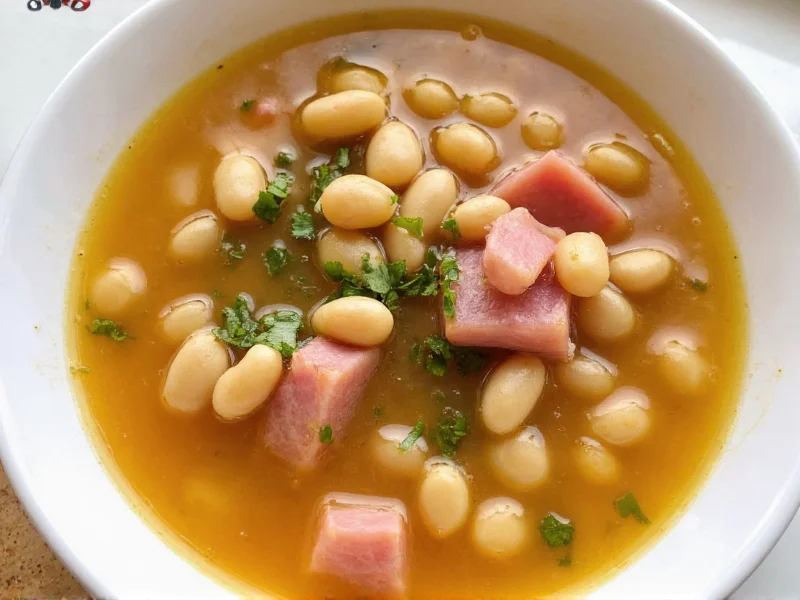
Ham and cannellini bean soup is a hearty, creamy Italian-inspired soup made with white cannellini beans, smoked ham, aromatic vegetables, and herbs. This easy ham and cannellini bean soup recipe combines protein-rich beans with savory ham for a satisfying meal ready in under an hour. The soup features tender cannellini beans that break down to create natural creaminess without dairy, making it both nutritious and flavorful.
The Essential Guide to Perfect Ham and Cannellini Bean Soup
Nothing beats a bowl of warm, comforting soup on a chilly day, and ham and cannellini bean soup stands out as a classic that delivers both nutrition and rich flavor. This traditional Italian preparation—known as fagioli allauccelletto in some regions—has evolved into a beloved staple across many cultures, particularly in American kitchens where leftover holiday ham often finds its perfect second life.
Why This Soup Deserves a Place in Your Recipe Collection
Cannellini beans, the Italian cousin of navy beans, provide a velvety texture that transforms simple ingredients into something extraordinary. When simmered with quality ham hock or diced smoked ham, these creamy white beans absorb savory notes while maintaining their shape. The resulting soup offers impressive nutritional benefits: high in plant-based protein and fiber while remaining naturally low in fat.
Unlike many creamy soups, authentic ham and cannellini bean soup achieves its luxurious texture through the natural breakdown of beans rather than heavy cream or roux. This technique creates a clean, bright flavor profile that showcases the quality of your ingredients. For home cooks seeking healthy ham and bean soup recipe options that don't sacrifice taste, this preparation delivers perfectly.
Core Ingredients and Their Purpose
The magic of this soup comes from the thoughtful combination of ingredients. Each component serves a specific purpose in building complex flavors:
| Ingredient | Function | Substitution Options |
|---|---|---|
| Cannellini beans (1 lb dried or 2 cans) | Provides creamy texture and protein base | Gigante or Great Northern beans |
| Smoked ham hock or 1½ cups diced ham | Imparts deep smoky flavor | Bacon, pancetta, or smoked turkey leg |
| Mirepoix (celery, carrots, onion) | Creates aromatic foundation | Leeks or fennel for variation |
| Garlic and rosemary | Adds herbal complexity | Thyme or sage for different profile |
| Chicken or vegetable broth | Forms flavorful cooking liquid | Water with additional seasoning |
Step-by-Step Preparation Guide
Creating an exceptional creamy cannellini bean soup with ham requires attention to technique. Follow these professional kitchen methods for best results:
Preparation (15 minutes)
- If using dried beans, soak overnight in cold water with 1 tsp baking soda (this improves texture and reduces cooking time)
- Dice all vegetables to uniform ¼-inch pieces for even cooking
- If using ham hock, rinse thoroughly to remove excess salt
- Mince garlic and chop fresh rosemary
Cooking Process (45 minutes)
- Sauté mirepoix in olive oil over medium heat until translucent (8-10 minutes)
- Add garlic and rosemary, cooking until fragrant (about 1 minute)
- Stir in beans and ham hock (if using), then cover with broth
- Simmer covered for 45 minutes until beans are tender
- Remove ham hock, shred meat, and return to pot
- For creamier texture, blend 1-2 cups of soup and return to pot
- Season with black pepper and a splash of quality olive oil before serving
Pro Tips for Exceptional Results
Master chefs know that the difference between good and great soup comes from technique details often overlooked in basic recipes. These professional insights elevate your homemade ham and white bean soup:
- Bean selection matters: Dried beans yield superior texture and flavor compared to canned, but rinse canned beans thoroughly to remove sodium and starch
- Ham quality is crucial: Use high-quality smoked ham without artificial smoke flavoring for authentic taste in your cannellini bean soup with leftover ham
- Acid balance: Finish with a splash of lemon juice or red wine vinegar to brighten flavors
- Texture control: For restaurant-quality creaminess without dairy, mash some beans against the pot side during cooking
- Flavor development: Let soup rest for 24 hours—the flavors deepen significantly when reheated
Variations for Different Dietary Needs
This versatile recipe adapts beautifully to various preferences while maintaining its essential character. Consider these authentic variations when making your quick preparation ham cannellini soup:
- Vegan version: Omit ham and use smoked paprika with liquid smoke (½ tsp) for similar depth
- Extra protein: Add a Parmesan rind during cooking for umami richness
- Spicy kick: Include red pepper flakes with the garlic for heat
- Lighter version: Use vegetable broth and reduce added fats while maintaining flavor
- Extra vegetables: Stir in chopped kale or spinach during the last 5 minutes of cooking
Serving and Storage Recommendations
Traditional Italian preparation serves this soup with crusty bread for dipping, but modern presentations offer creative options. For the best experience with your traditional Italian ham and bean soup:
- Drizzle with high-quality extra virgin olive oil before serving
- Sprinkle with freshly grated Parmesan cheese
- Accompany with a simple green salad for balanced meal
- Store in airtight containers for up to 5 days in refrigerator
- Freeze portions for up to 3 months (thaw overnight before reheating)
When reheating, add a splash of broth or water as the soup thickens upon standing. The flavors actually improve after 24 hours, making this an excellent make-ahead option for busy schedules. This freezer-friendly bean soup with ham maintains quality remarkably well through freezing and thawing cycles.
Common Questions Answered
Can I make ham and cannellini bean soup without ham hock?
Yes, you can substitute with 1½ cups diced smoked ham or even bacon. For vegetarian versions, use smoked paprika and a Parmesan rind for similar depth of flavor without meat products. The key is incorporating that smoky element which defines authentic cannellini bean soup with ham.
How do I prevent my cannellini beans from breaking apart?
Add salt only after beans have softened, as early salting can cause skins to toughen. Avoid vigorous boiling—simmer gently instead. If using canned beans, add them during the last 15 minutes of cooking. For the creamiest texture in your easy ham and cannellini bean soup recipe, blend about one-third of the beans before adding the rest.
What's the best way to thicken ham and bean soup?
The natural starch from cannellini beans creates ideal thickness when properly cooked. For additional creaminess without dairy, remove 1-2 cups of soup, blend until smooth, then return to the pot. Avoid flour or cornstarch which can make the soup gummy. This technique works perfectly for achieving that signature creamy cannellini bean soup texture.
Can I use other types of beans in this recipe?
While cannellini beans provide the ideal creamy texture, you can substitute with Great Northern beans or even navy beans. Avoid kidney beans or black beans as their stronger flavors and textures don't complement ham as well. For the authentic flavor profile of traditional Italian ham and bean soup, stick with white beans when possible.
How long does homemade ham and bean soup last in the refrigerator?
Properly stored in an airtight container, your healthy ham and bean soup recipe will stay fresh for 4-5 days in the refrigerator. The flavors actually improve after 24 hours as ingredients meld. For longer storage, freeze portions for up to 3 months—this freezer-friendly bean soup with ham maintains excellent quality through freezing and reheating.




 浙公网安备
33010002000092号
浙公网安备
33010002000092号 浙B2-20120091-4