
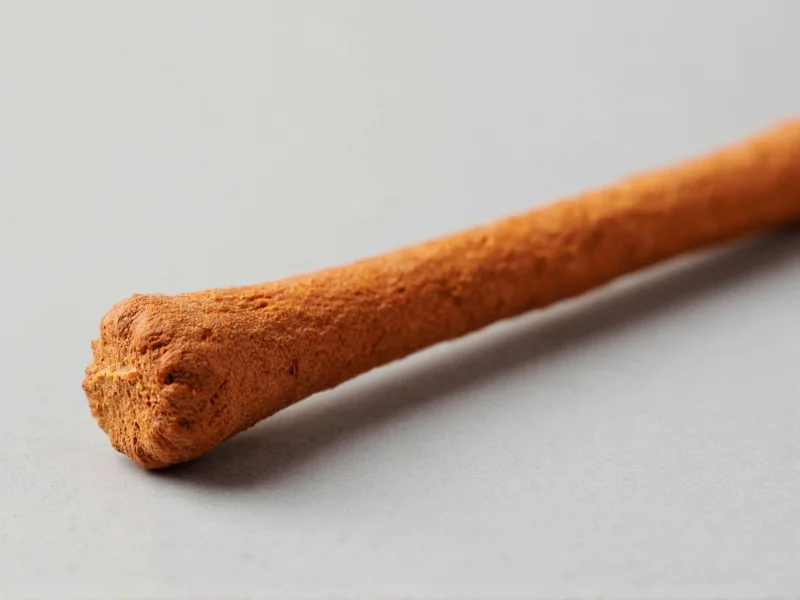
When you encounter a spice that looks like a nail, you're almost certainly looking at cloves. This distinctive spice has been prized for centuries not only for its unique appearance but also for its potent flavor and aromatic properties. The nail-shaped structure isn't merely coincidental—it's the dried flower bud of an evergreen tree native to Indonesia's Maluku Islands, with the 'nail head' representing the unopened flower and the 'shaft' the calyx tube.
Understanding Clove's Distinctive Nail-Like Appearance
What makes cloves stand out among spices is their remarkably consistent nail-like morphology. Each whole clove measures approximately 1-2 cm in length, with a tapered base that widens to a rounded head. This distinctive shape serves a botanical purpose: the bulbous end contains the essential oil glands that give cloves their intense aroma and flavor, while the slender stem allows for efficient drying and preservation.
When identifying a spice that looks like a nail, look for these key characteristics:
- Dark reddish-brown to almost black color
- Visible oil glands in the head portion
- Slightly curved or straight stem
- Strong, pungent aroma with sweet-spicy notes
- Hard texture that can be pierced with a fingernail
| Characteristic | Whole Cloves | Ground Cloves |
|---|---|---|
| Appearance | Nail-shaped buds (1-2 cm) | Dark brown fine powder |
| Shelf Life | 2-3 years when properly stored | 6-12 months |
| Flavor Intensity | More potent, complex flavor | Milder, more uniform flavor |
| Best Uses | Stewing, pickling, infusions | Baking, spice blends, rubs |
The Historical Journey of This Nail-Shaped Spice
Cloves' distinctive nail-like appearance made them easily identifiable in ancient spice trade routes. Originating in the Maluku Islands (historically called the Spice Islands), these precious commodities were so valuable that their trade was controlled by various empires for centuries. Arab traders initially monopolized the clove trade, creating elaborate myths about their origin to protect their valuable monopoly.
European explorers eventually discovered the true source of these nail-shaped spices in the 15th century, triggering intense competition among colonial powers. The Dutch went to extreme measures to maintain control, even destroying clove trees on islands they didn't directly govern to create artificial scarcity and drive up prices.
Culinary Applications of This Unique Spice
When working with a spice that looks like a nail, understanding proper usage techniques is essential. Chefs and home cooks employ several methods to maximize cloves' flavor while avoiding their intense bitterness:
- Studding: Pushing whole cloves into fruits like oranges or onions for mulling spices or flavor bases
- Infusing: Adding to liquids like broths, wines, or syrups where they can be easily removed later
- Spice blends: Combining with other spices in measured proportions for curries, garam masala, or pumpkin spice
- Whole roasting: Baking with meats where the nail-like shape helps them stay embedded
Professional chefs recommend using whole cloves rather than ground whenever possible for dishes requiring longer cooking times, as the nail-shaped structure helps contain the essential oils until they're gradually released during cooking.
Medicinal Properties and Traditional Uses
Beyond its culinary applications, this distinctive nail-shaped spice has been used medicinally for thousands of years. Traditional Chinese medicine practitioners documented clove's use as early as 200 BCE, primarily for dental applications. The active compound eugenol, which constitutes 70-90% of clove essential oil, provides potent analgesic and antiseptic properties.
Modern research supports many traditional uses of cloves, particularly for:
- Dental pain relief (temporary)
- Digestive aid for nausea and bloating
- Antimicrobial applications
- Anti-inflammatory benefits
When using cloves medicinally, experts recommend consulting with healthcare providers, as concentrated clove oil can cause irritation when used improperly.
Selecting and Storing Your Nail-Like Spice
When purchasing cloves, look for these quality indicators:
- Deep reddish-brown color (avoid pale or yellowish cloves)
- Whole, unbroken nail-like structure
- Strong aroma when squeezed between fingers
- Oil visible when pressed with fingernail
Proper storage maintains the distinctive characteristics of this nail-shaped spice. Keep whole cloves in airtight containers away from light and heat. The intact nail structure helps preserve essential oils longer than ground cloves, which lose potency rapidly after grinding. For maximum freshness, buy whole cloves and grind them as needed using a dedicated spice grinder.
Common Substitutes When You Can't Find This Nail-Shaped Spice
While nothing perfectly replicates the unique flavor profile of cloves, these alternatives work in various applications:
- Allspice: Similar warm notes but less intense (use 3/4 teaspoon allspice for 1 clove)
- Nutmeg: Complementary flavor that works well in baked goods
- Cinnamon: Provides warmth but lacks the distinctive clove bite
- Pumpkin pie spice: Contains cloves plus other complementary spices
When substituting, remember that the distinctive nail-like shape of cloves serves a functional purpose in cooking—the whole structure allows for controlled flavor release and easy removal. Ground substitutes won't provide this same culinary advantage.
Safety Considerations with This Potent Spice
Despite their small size, cloves pack significant potency. The concentrated essential oils in the nail-shaped head can cause issues when used excessively:
- Limited to 2-4 whole cloves per serving in most culinary applications
- Avoid direct application of undiluted clove oil to skin or gums
- Consult physicians before medicinal use if pregnant or taking blood thinners
- Keep away from pets, as cloves can be toxic to animals
When using cloves in cooking, always remember that less is more—the intense flavor can easily overwhelm a dish if too many nail-shaped buds are used.




 浙公网安备
33010002000092号
浙公网安备
33010002000092号 浙B2-20120091-4