
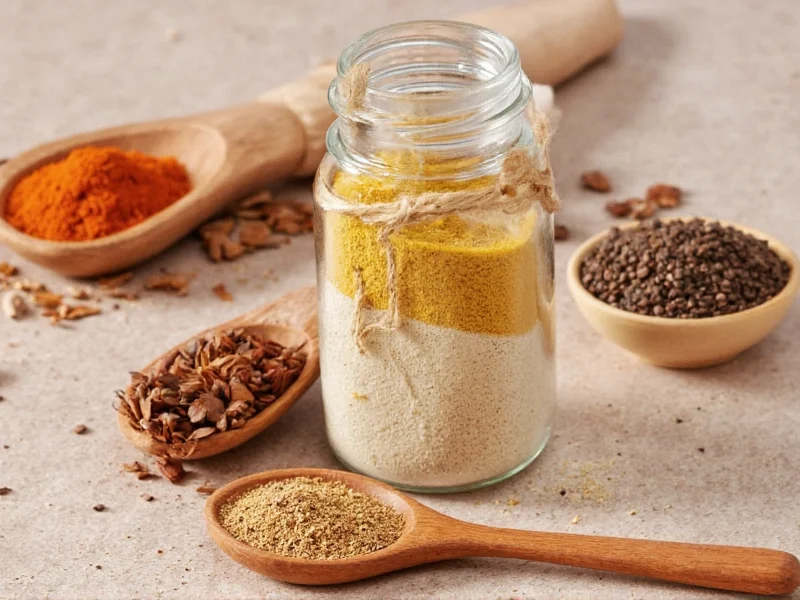
Understanding what happens to spices after their labeled expiration date is crucial for both kitchen efficiency and flavor preservation. Unlike perishable foods, dried spices don't become unsafe to eat after their "best by" date passes. Instead, they undergo a gradual decline in flavor, color, and aromatic compounds. This comprehensive guide explains exactly how long you can keep spices after the expiration date while maintaining acceptable quality.
Decoding Spice Expiration Labels
First, it's important to understand that spice expiration dates are primarily quality indicators, not safety deadlines. Manufacturers use terms like "best by," "use by," or "sell by" to communicate when spices will deliver optimal flavor and aroma. These dates typically represent 2-4 years from packaging, depending on the spice type and form.
The U.S. Food and Drug Administration (FDA) doesn't require expiration dates on spice products because dried spices are considered shelf-stable. When you see an expiration date, it's the manufacturer's estimate of peak quality duration under proper storage conditions.
Spice Shelf Life Timeline After Expiration
While safety isn't a concern with expired spices, flavor degradation follows predictable patterns. The following table shows how long different spice categories maintain acceptable quality after their expiration date:
| Spice Type | Shelf Life After Expiration | Quality Indicators of Decline |
|---|---|---|
| Whole spices (cinnamon sticks, peppercorns, cloves) | 3-4 years | Faded color, diminished aroma, less intense flavor when crushed |
| Ground spices (cumin, paprika, turmeric) | 2-3 years | Dull appearance, weak scent, bland taste |
| Dried herbs (basil, oregano, thyme) | 1-2 years | Brownish color instead of green, musty smell, little flavor |
| Spice blends (curry powder, chili powder) | 1-2 years | Separated ingredients, oily appearance, off smells |
| Leafy herbs (bay leaves, dried mint) | 1 year | Crumbling texture, no discernible aroma |
Factors That Accelerate Spice Degradation
Several environmental factors dramatically affect how long spices maintain quality after their expiration date. Understanding these can help extend your spices' useful life:
Light Exposure
Ultraviolet light breaks down the essential oils in spices, causing faster flavor loss. Spices stored in clear containers near windows may lose potency 60% faster than those kept in dark conditions. This explains why professional kitchens use opaque containers for spice storage.
Temperature Fluctuations
Heat accelerates the evaporation of volatile compounds that give spices their characteristic flavors. Each 10°C (18°F) increase in temperature can double the rate of flavor degradation. Avoid storing spices above stoves or near other heat sources to maximize shelf life after expiration.
Moisture and Humidity
Even small amounts of moisture can cause spices to clump, fade in color, and potentially develop mold. Humidity levels above 60% significantly shorten the post-expiration usability of ground spices. This is why proper sealing is critical for extending spice longevity.
Air Exposure
Oxygen exposure causes oxidation of the essential oils in spices, leading to rancidity in spice blends containing oils or seeds. Whole spices withstand air exposure better than ground varieties, which have greater surface area for oxidation to occur.
Practical Methods to Test Spice Quality
Instead of strictly relying on expiration dates, use these sensory tests to determine if your spices are still worth using:
The Aroma Test
Crush a small amount of the spice in your palm and smell it. Fresh spices should produce an immediate, strong aroma. If you need to inhale deeply to detect any scent, the spice has likely lost significant potency. For ground spices past expiration, a weak or musty smell indicates substantial quality loss.
The Visual Inspection
Brightly colored spices like paprika and turmeric should maintain vibrant hues. Faded or dull appearance, particularly a shift toward brownish tones in green herbs, signals degradation. Check for any signs of moisture, clumping, or insect activity, which would necessitate immediate disposal.
The Taste Test (Use Caution)
For spices you suspect have passed their prime, perform a small taste test. Place a tiny amount on your tongue—expired spices will taste flat, one-dimensional, or lacking complexity. Never taste spices that show signs of mold, moisture, or unusual odors, as these could potentially harbor contaminants.
Maximizing Spice Longevity After Expiration
Implement these evidence-based storage techniques to extend the usable life of spices beyond their labeled dates:
Optimal Container Selection
Transfer spices from flimsy store packaging to airtight containers made of dark glass or opaque materials. Studies show that spices stored in amber glass containers retain 30% more essential oils after two years compared to clear containers. Ensure containers have tight-sealing lids to prevent air exchange.
Strategic Kitchen Placement
Store spices in a cool, dark cabinet away from heat sources. The ideal storage temperature is between 50-70°F (10-21°C). Avoid cabinet spaces above stoves or near dishwashers where temperature and humidity fluctuate. Consider dedicating a lower cabinet away from external walls for your spice collection.
Batch Processing for Frequent Use
Keep only your most frequently used spices in convenient locations, while storing backup quantities in optimal conditions. This minimizes the number of times your main stash is exposed to light and air. For spices you use daily, consider portioning out a small amount into a decorative container while keeping the bulk supply protected.
Freezing for Long-Term Preservation
For spices you purchase in bulk or want to preserve beyond typical shelf life, freezing is an effective method. Place spices in airtight containers or heavy-duty freezer bags, removing as much air as possible. Frozen spices can maintain quality for 5-7 years past expiration. Allow frozen spices to reach room temperature before opening to prevent condensation.
Safety Considerations with Expired Spices
Unlike perishable foods, dried spices rarely pose safety risks when used past their expiration date. However, certain conditions warrant discarding spices immediately:
- Visible mold growth - discard the entire container
- Moisture or clumping that doesn't break apart when pressed
- Oily appearance in spice blends (sign of rancidity)
- Unusual odors beyond simple loss of aroma
- Insect activity or webbing in the container
While consuming degraded spices won't make you sick, they provide minimal flavor benefit and can negatively impact dish quality. Using significantly expired spices might require doubling or tripling the amount called for in recipes, which could alter the dish's balance.
When to Replace Common Kitchen Spices
Here's a detailed reference for specific spices and when to replace them after expiration:
| Common Spice | Optimal Replacement Timeline After Expiration | Special Considerations |
|---|---|---|
| Cinnamon (ground) | 2 years | Loses sweet complexity first; may still work in strongly flavored dishes after 3 years |
| Cumin (ground) | 18 months | Earthiness fades quickly; becomes one-dimensional | Paprika | 2 years | Color fades before flavor; Hungarian varieties degrade faster than Spanish |
| Black pepper (whole) | 4+ years | One of the longest-lasting spices; best ground fresh |
| Garlic powder | 1-2 years | Loses pungency; may develop bitter notes when significantly expired |
| Cayenne pepper | 2 years | Heat level decreases gradually; color fades noticeably |
| Dried basil | 1 year | Turns brown quickly; loses sweet notes first |
| Curry powder | 18 months | Blend components degrade at different rates; turmeric fades first |
Building a Sustainable Spice Management System
Implement these practical strategies to minimize waste while maintaining kitchen efficiency:
- Label containers with purchase and opening dates using waterproof labels
- Organize spices by purchase date using the "first in, first out" principle
- Purchase whole spices when possible and grind small batches as needed
- Buy from stores with high turnover to ensure fresher products
- Consider smaller quantities of expensive or infrequently used spices
For home cooks who maintain a well-organized spice collection with proper storage, most spices remain usable for 2-4 years beyond their expiration dates. The key is developing a system that allows you to monitor quality and replace items before they significantly degrade.




 浙公网安备
33010002000092号
浙公网安备
33010002000092号 浙B2-20120091-4