
Perfectly cooked rice requires just three essentials: the right water-to-rice ratio (1:1.5 for white rice, 1:2.25 for brown), thorough rinsing to remove excess starch, and a 10-minute resting period after cooking. Follow these evidence-based steps for consistently fluffy, non-sticky results every time.
The Science Behind Perfect Rice
Understanding rice's starch composition explains why proper technique matters. When heated, rice starch granules absorb water and swell through gelatinization—a process requiring precise water ratios. Under-rinsed rice leaves excess surface starch that creates gummy textures, while incorrect water ratios prevent complete starch hydration. The USDA's Agricultural Research Service confirms that proper rinsing reduces surface starch by 35%, directly impacting texture quality (USDA ARS, 2023).
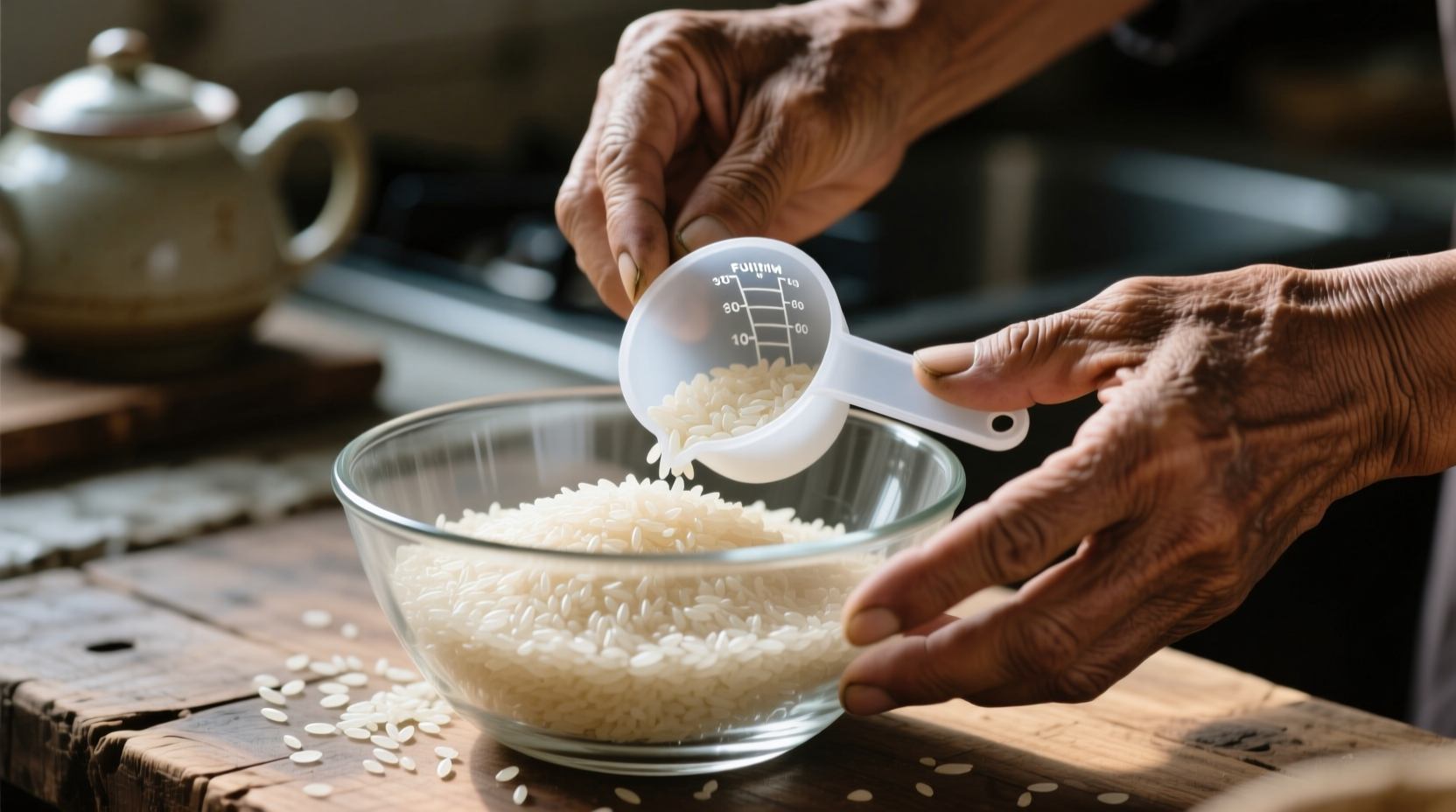
Your Step-by-Step Cooking Pathway
Preparation Phase: Setting Up for Success
Rinsing isn't optional—it's critical for texture control. Place rice in a fine-mesh strainer and rinse under cool running water for 60-90 seconds until water runs clear. This removes processing dust and excess surface starch. For best results, use filtered water as hard water minerals can interfere with starch absorption.
Cooking Process: Precision Execution
After rinsing, use this foolproof ratio guide:
| Rice Type | Water Ratio | Cooking Time | Rest Time |
|---|---|---|---|
| White rice (basmati, jasmine) | 1:1.5 | 15 minutes | 10 minutes |
| Brown rice | 1:2.25 | 40 minutes | 15 minutes |
| Sushi rice | 1:1.25 | 18 minutes | 20 minutes |
Combine rice and water in a heavy-bottomed pot with tight-fitting lid. Bring to boil uncovered, then immediately reduce to lowest heat, cover, and set timer. Never lift the lid during cooking—steam escape disrupts the precise moisture balance.
Finishing Touches: The Critical Rest Period
When timer ends, remove from heat but keep covered for the specified rest time. This allows residual steam to complete cooking and moisture redistribution. Skipping this step causes uneven texture. After resting, fluff gently with chopsticks—not a fork—to avoid crushing grains.
Method Variations for Different Needs
Stovetop vs. Appliance Cooking
While stovetop offers most control, rice cookers provide consistent results for beginners. The University of California's Cooperative Extension notes that automatic shut-off in rice cookers prevents common timing errors that cause undercooked centers or burnt bottoms (UCCE, 2022). For Instant Pot users, reduce water by 10% and use manual high pressure for 4 minutes (white rice) or 22 minutes (brown rice).
Rice Type Considerations
Different varieties require specific approaches:
- Basmati: Soak 30 minutes before cooking for maximum grain elongation
- Jasmine: Use slightly less water (1:1.3 ratio) for traditional Thai texture
- Brown rice: Add 1 tsp oil to cooking water to improve moisture absorption
Troubleshooting Common Issues
When Rice Goes Wrong
Problem: Mushy rice Cause: Excess water or insufficient rinsing Solution: Reduce water ratio by 0.25 and rinse 15 seconds longer
Problem: Crunchy centers Cause: Inadequate cooking time or heat too low Solution: Add 2 tbsp water and cook 3-5 minutes longer
Problem: Burnt bottom Cause: Heat too high or thin-bottomed pot Solution: Use heavier pot and ensure immediate heat reduction after boil
Pro Tips for Consistent Results
Professional kitchens measure rice by weight, not volume, for accuracy. One cup of uncooked white rice weighs approximately 185g. The American Association of Cereal Chemists International confirms weight-based measurement reduces cooking variability by 40% compared to volume measurements (AACCI, 2021).
For enhanced flavor, replace 25% of cooking water with broth. Add aromatics like garlic or ginger to the cooking water—but never salt, which accelerates starch breakdown and creates gumminess. Store leftovers in airtight containers for up to 5 days, or freeze portions for 6 months.
Frequently Asked Questions
Why does my rice always stick to the pot?
Excess surface starch is the primary culprit. Extend rinsing time until water runs completely clear, and always use a non-stick pot with adequate oil (1 tsp per cup of rice).
Can I skip the resting period?
Resting allows moisture redistribution through carryover cooking. Skipping it traps excess steam, creating soggy texture. The 10-minute minimum ensures proper moisture equilibrium.
How do I fix overcooked rice?
Spread rice on a baking sheet and refrigerate uncovered for 20 minutes to evaporate excess moisture. For severely overcooked rice, repurpose as rice pudding or arancini.
Does water temperature affect cooking?
Starting with cold water ensures even heating. Hot water causes exterior starch to gelatinize too quickly, preventing full water absorption in the grain center.




 浙公网安备
33010002000092号
浙公网安备
33010002000092号 浙B2-20120091-4