
Planting date seeds successfully requires 7 key steps: extract seeds from fresh dates, clean thoroughly, soak for 48-72 hours, test viability, plant in well-draining soil at proper depth, maintain warm moist conditions, and provide consistent care. Expect germination in 3-8 weeks but note it takes 4-8 years for fruit production. Only female trees bear fruit, requiring proper male pollination.
Why Growing Date Palms from Seeds Is Different Than You Think
Many home gardeners dream of growing their own date palm after enjoying delicious dates, but few realize the significant time investment required. Unlike most fruit trees, date palms (Phoenix dactylifera) grown from seeds take 4-8 years before potentially producing fruit—and there's no guarantee your tree will be female (only female trees bear fruit). Despite these challenges, with proper technique you can achieve 60-70% germination rates from fresh date seeds.
Your Date Seed Planting Roadmap
Follow this practical timeline based on successful home gardener experiences and agricultural extension data. This isn't just theory—it's what actually works when growing date palms from kitchen scraps.
Phase 1: Seed Selection & Preparation (Days 1-3)
Not all date seeds will germinate successfully. Your first critical decision determines your entire project's success rate.
Choosing Viable Date Seeds
Start with fresh, high-quality dates—not dried or processed varieties. Medjool dates generally yield the most reliable seeds for home growing. Avoid seeds from dates treated with preservatives, which inhibit germination. The USDA Agricultural Research Service confirms that fresh date seeds maintain 70-80% viability when properly handled.
| Seed Source | Germination Rate | Time to Sprout | Notes |
|---|---|---|---|
| Fresh Medjool dates | 65-75% | 3-5 weeks | Best option for home growers |
| Deglet Noor dates | 50-60% | 4-6 weeks | Moderate success rate |
| Processed/canned dates | 5-15% | Rarely sprouts | Avoid for planting |
Proper Seed Extraction Technique
Carefully remove seeds without damaging them. Use a knife to slice around the seed, then gently pry it out. Damaged seeds have significantly lower germination rates. After extraction, thoroughly clean all date flesh from the seed—residual sugar promotes mold growth during germination.
Soaking & Viability Testing
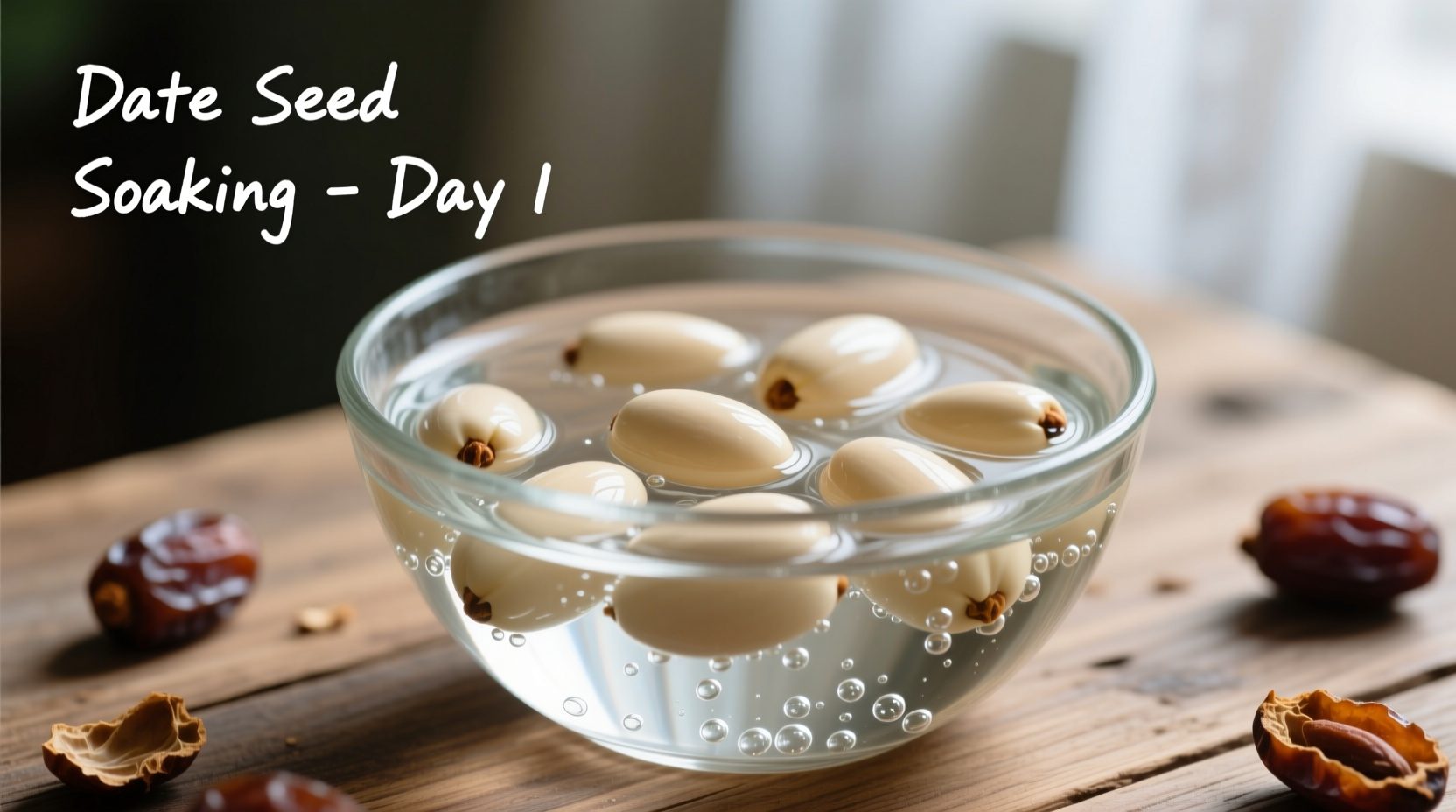
Soak seeds in room-temperature water for 48-72 hours, changing water daily. Viable seeds will sink; floating seeds typically won't germinate. For enhanced results, add hydrogen peroxide (1 teaspoon per cup of water) to prevent mold. The University of Georgia Cooperative Extension recommends this method for tropical seed germination.
Phase 2: Planting Process (Day 4)
Getting the planting conditions right makes the difference between success and failure. Date palms have specific soil and container requirements.
Soil Mix Requirements
Date palms require exceptionally well-draining soil. Create this mix:
- 50% cactus/succulent potting mix
- 30% perlite or pumice
- 20% coarse sand
Avoid standard potting soil, which retains too much moisture. The ideal pH range is 5.5-8.0, with 6.5-7.5 being optimal according to Royal Horticultural Society guidelines for palm cultivation.
Container Selection
Choose a deep container (at least 12 inches) with drainage holes. Date palms develop deep taproots early in growth. Plastic pots work better than terra cotta for moisture retention during germination.
Planting Depth & Technique
Plant seeds horizontally at a depth of 1-1.5 inches (2.5-3.8 cm). Cover with soil mix and water thoroughly until drainage occurs. Place a clear plastic bag over the container to maintain humidity, removing daily for ventilation.
Phase 3: Germination Environment (Weeks 1-8)
This critical period determines whether your seeds will sprout. Temperature and moisture control are essential.
Temperature Requirements
Maintain consistent soil temperature between 80-95°F (27-35°C). Below 75°F (24°C), germination slows dramatically or stops. Use a seedling heat mat for best results—this can improve germination rates by 30% according to agricultural studies.
Moisture Management
Keep soil consistently moist but not soggy. Check daily and water when top inch feels dry. Bottom watering prevents disturbing the seed. Reduce humidity cover once sprouts appear.
Light Conditions
During germination, keep seeds in indirect light. Once sprouted, gradually introduce to bright, indirect sunlight. Avoid direct sun for first 4-6 weeks after sprouting.
Phase 4: Seedling Care (Months 2-12)
Your date palm's first year determines its long-term health. Proper care during this stage establishes strong growth patterns.
Watering Schedule
Water when top inch of soil dries out. Date palms prefer deep, infrequent watering rather than frequent shallow watering. Reduce watering in winter when growth slows.
Fertilization Strategy
Begin fertilizing at 3 months with balanced liquid fertilizer (10-10-10) at half strength monthly during growing season. Date palms require magnesium and manganese—deficiencies show as yellowing leaves.
Potting Up Guidelines
Repot when roots fill container, typically every 12-18 months. Increase pot size by 2-4 inches in diameter. Always use fresh potting mix. Date palms prefer being slightly root-bound rather than in oversized containers.
Phase 5: Long-Term Growth Management (Years 1-8+)
Patience is essential—date palms grow slowly at first but accelerate after establishing root systems.
Growth Timeline Expectations
Understanding realistic growth rates prevents disappointment:
- Year 1: 6-12 inches tall, single stem
- Year 2: 1-2 feet tall, beginning to develop fronds
- Year 3: 2-4 feet tall, multiple fronds
- Year 4+: 1-2 feet of growth annually under ideal conditions
Space Requirements
Indoor date palms need containers at least 18 inches in diameter for long-term growth. Outdoor planting requires 20-30 feet between trees. Date palms develop extensive root systems that can damage foundations if planted too close to structures.
Sex Determination Challenge
Here's the reality check: You won't know if your tree is male or female until it flowers (typically at 4-6 years). Only female trees produce fruit, and they require pollination from a male tree. Home growers rarely achieve fruit production without access to both sexes.
Troubleshooting Common Problems
Address these issues promptly to save your date palm:
- Yellowing leaves: Usually indicates overwatering or nutrient deficiency
- Mold on soil: Reduce humidity and improve air circulation
- No growth after 12 weeks: Seed likely non-viable; discard and restart
- Brown leaf tips: Often caused by low humidity or fluoride in water
Realistic Expectations for Home Date Growers
While growing date palms from seeds is rewarding, understand these limitations:
- Fruit production typically requires 6-10 years from seed
- Commercial date varieties often don't reproduce true from seed
- Indoor-grown palms rarely produce quality fruit
- Outdoor cultivation requires USDA zones 9-11 (frost-free climates)
According to the University of Florida IFAS Extension, home-grown date palms outside commercial production regions rarely match the quality of store-bought dates due to climate and pollination challenges.
Final Thoughts
Planting date seeds successfully combines patience with proper technique. While you may not harvest your own dates for years (if ever), the journey of growing your own date palm offers unique satisfaction. Focus on the process rather than the end result—your date palm will be a beautiful, conversation-starting addition to your home or garden long before it potentially bears fruit.




 浙公网安备
33010002000092号
浙公网安备
33010002000092号 浙B2-20120091-4