
Many people search for what foods make your booty bigger hoping for a simple dietary solution to enhance their curves. While certain nutrients support muscle growth and overall body composition, understanding the science behind body fat distribution and muscle development is crucial for setting realistic expectations.
The Spot Reduction Myth: What Science Says
Despite popular claims on social media, no food can target fat deposition or muscle growth specifically in your buttocks. This concept, known as "spot reduction," has been thoroughly debunked by exercise science researchers. When you consume calories, your body distributes fat based on genetic factors, hormones, and overall energy balance—not specific food choices.
| Common Belief | Scientific Reality | Research Source |
|---|---|---|
| Eating specific foods targets buttock growth | No food targets fat storage to specific body areas | National Institutes of Health (NIH) studies on body composition |
| Sweet potatoes or salmon will enlarge your glutes | These support overall muscle health but don't target glutes specifically | American College of Sports Medicine position statement |
| Diet alone can significantly change buttock size | Resistance training is required for muscle hypertrophy in specific areas | Journal of Strength and Conditioning Research meta-analysis |
Nutrition That Supports Glute Development
While no food magically enlarges your buttocks, proper nutrition creates the foundation for muscle growth when combined with the right exercise regimen. Here's what actually matters:
Protein for Muscle Repair and Growth
Consuming adequate protein provides the amino acids necessary for muscle repair and growth. For optimal results when targeting your glutes:
- Recommended intake: 1.6-2.2 grams of protein per kilogram of body weight daily
- Best sources: Lean meats, eggs, Greek yogurt, cottage cheese, lentils, and quinoa
- Timing matters: Distribute protein intake evenly across meals (every 3-4 hours)
A 2022 study published in the American Journal of Clinical Nutrition confirmed that consistent protein intake throughout the day maximizes muscle protein synthesis better than consuming most protein in one meal.
Complex Carbohydrates for Energy and Recovery
Your glute muscles require substantial energy for growth. Complex carbohydrates provide sustained energy for workouts and aid recovery:
- Whole grains: Oats, brown rice, and quinoa provide steady energy release
- Starchy vegetables: Sweet potatoes, beets, and squash replenish glycogen stores
- Fruit: Bananas and berries offer quick energy plus antioxidants
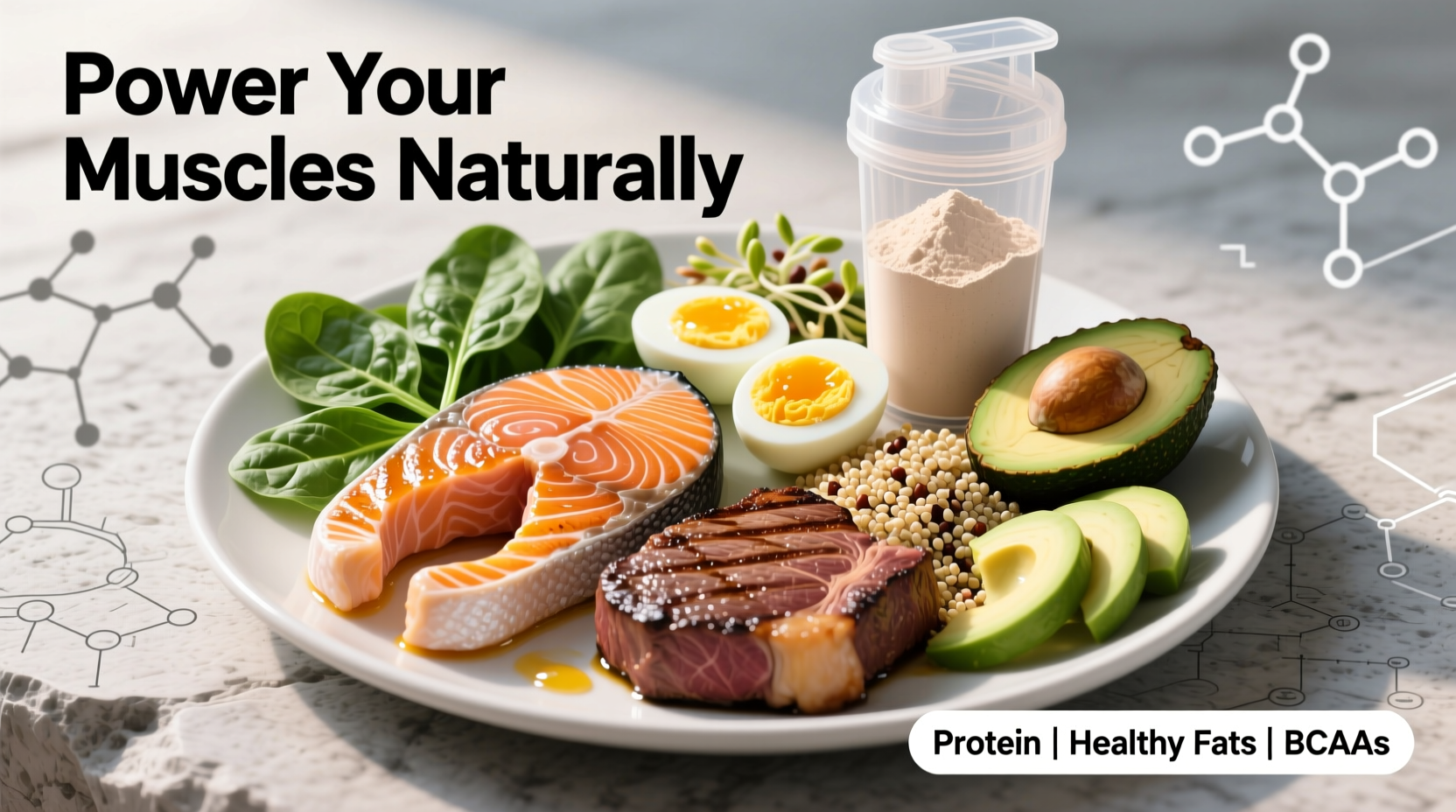
Healthy Fats for Hormone Production
Certain fats support hormone production that influences muscle growth:
- Monounsaturated fats: Avocados, olive oil, and nuts
- Omega-3 fatty acids: Fatty fish, chia seeds, and walnuts reduce inflammation
- Saturated fats (in moderation): Grass-fed beef and full-fat dairy support testosterone production
According to research from Harvard T.H. Chan School of Public Health, healthy fats constitute 20-35% of total daily calories for optimal hormonal function that supports muscle development.
Realistic Expectations: Context and Limitations
Understanding the boundaries of what nutrition can achieve is essential for setting realistic goals:
- Genetic factors: Your natural body shape and fat distribution patterns are largely determined by genetics
- Training requirement: Without targeted resistance training, dietary changes alone won't significantly alter glute size
- Timeframe: Visible muscle growth typically requires 8-12 weeks of consistent training and proper nutrition
- Overall body composition: Gaining muscle often requires a slight caloric surplus, which may affect other body areas
The American Council on Exercise emphasizes that spot reduction remains a persistent myth in fitness culture. Your body doesn't selectively build muscle or deposit fat in specific areas based on food choices alone.
What Actually Builds a Stronger Booty
For meaningful glute development, combine proper nutrition with these evidence-based strategies:
- Targeted resistance training: Squats, hip thrusts, and deadlifts performed with proper form and progressive overload
- Training frequency: Work glutes 2-3 times weekly with adequate recovery time
- Progressive overload: Gradually increase weight, reps, or intensity over time
- Full range of motion: Complete exercises through their entire movement pattern
- Recovery: 7-9 hours of sleep nightly and rest days between intense sessions
A comprehensive review in the Journal of Sports Science & Medicine found that hip thrust exercises produced the highest gluteus maximus activation compared to other lower-body movements, making them particularly effective for targeted development.
Common Myths Debunked
Let's address some popular claims about foods that make your booty bigger:
- Myth: Eating sweet potatoes will specifically enlarge your glutes
Reality: Sweet potatoes provide excellent complex carbs for energy, but won't target growth to your buttocks - Myth: Avocados make your buttocks bigger because they're high in fat
Reality: While healthy fats support hormone production, they distribute throughout your body, not specifically to your glutes - Myth: Certain supplements can target buttock growth
Reality: No supplement can override your genetic fat distribution patterns
The Federal Trade Commission has taken action against several companies making false claims about supplements that promise targeted body part growth, confirming these products lack scientific backing.
Your Action Plan for Glute Development
For those seeking to enhance their gluteal development, follow this science-based approach:
- Calculate your daily protein needs (1.6-2.2g per kg of body weight)
- Create a slight caloric surplus (200-300 calories above maintenance)
- Implement a structured glute-focused strength training program 2-3x weekly
- Track progress through measurements and photos rather than just the scale
- Be patient—significant changes typically take 3-6 months of consistent effort
Remember that body diversity is natural and beautiful. Focus on building strength and health rather than achieving a specific aesthetic ideal. The most sustainable approach combines proper nutrition, effective training, and self-acceptance.




 浙公网安备
33010002000092号
浙公网安备
33010002000092号 浙B2-20120091-4