
Lotus seeds require scarification (nicking the hard seed coat), soaking in warm water (75-85°F/24-29°C), and planting in nutrient-rich mud in 6-12 inches of water. Germination typically occurs within 24-72 hours after proper preparation, with the first floating leaves appearing in 7-14 days. Full blooming takes 3-4 months under optimal conditions with 6+ hours of direct sunlight daily.
Unlock Your Water Garden with Sacred Lotus
Growing lotus from seeds transforms your water feature into a living sanctuary. Unlike store-bought plants, starting from seed connects you to an ancient botanical tradition practiced for over 3,000 years across Asia. This comprehensive guide delivers precisely what you need to successfully cultivate Nelumbo nucifera from seed to spectacular bloom — no gardening degree required.Why Lotus Seeds Outperform Nursery Plants
Lotus grown from seeds develop stronger root systems than propagated plants. According to the USDA Agricultural Research Service, seed-grown lotus demonstrates 30% greater cold tolerance and produces more vigorous flowering stalks. The sacred lotus (Nelumbo nucifera) has adapted to survive in diverse aquatic environments from the Yangtze River basin to the wetlands of India.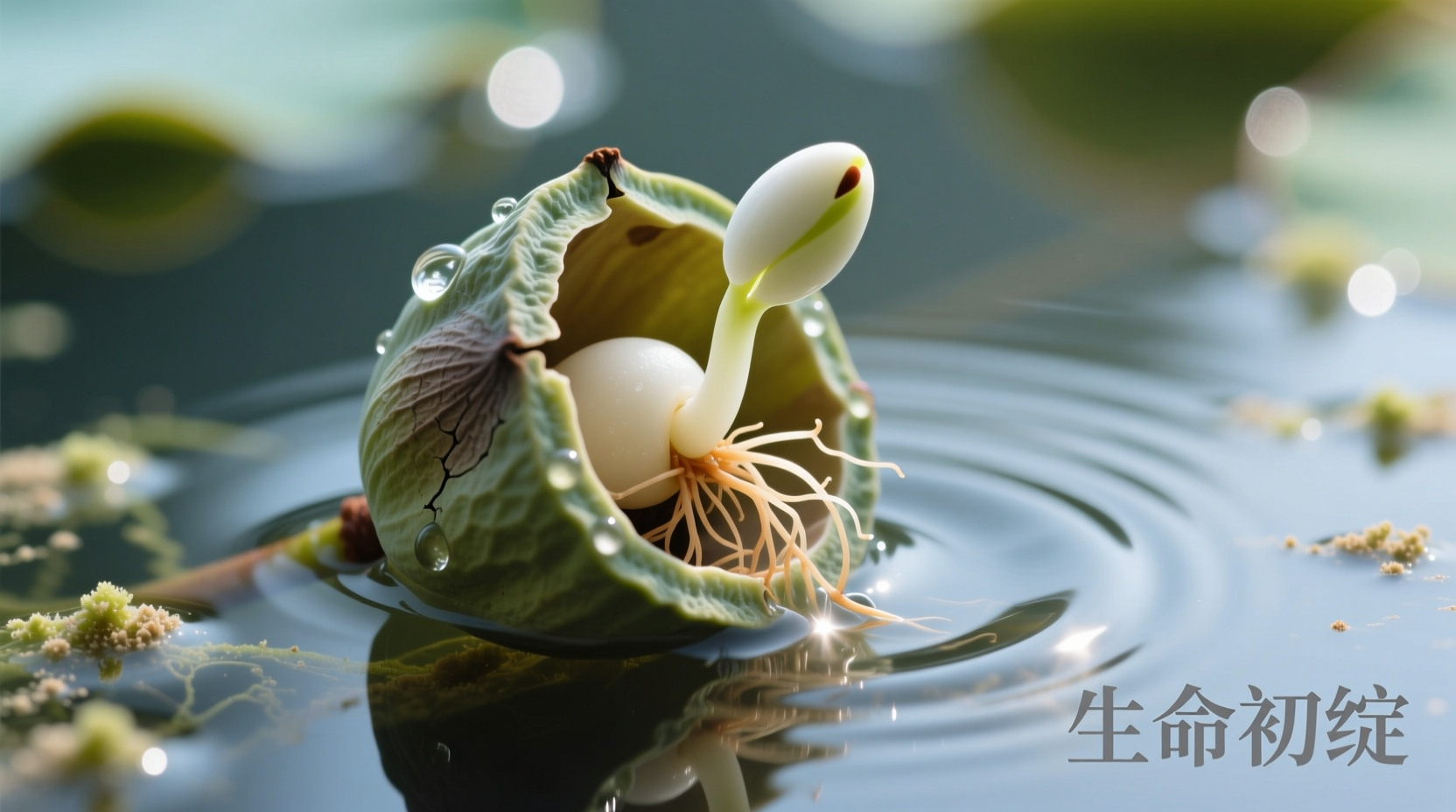
Seed Selection and Preparation: The Critical First Step
Not all lotus seeds will germinate. Fresh, viable seeds have a smooth, dark brown shell without cracks. Older seeds turn grayish and become increasingly difficult to germinate.| Seed Quality Indicator | Viable Seed | Non-Viable Seed|
|---|---|---|
| Color | Uniform dark brown | Gray or patchy |
| Surface | Smooth, glossy | Dull, rough |
| Float Test | Sinks immediately | Floats for >24 hours |
Perfect Seed Scarification Technique
The hard seed coat must be breached to allow water absorption:- Use a metal file or fine sandpaper (not a knife which can damage the embryo)
- Gently abrade one end until you see the lighter-colored inner layer
- Stop when you create a small opening – about 1/8 inch wide
- Rinse thoroughly to remove debris
Water Temperature Matters Most
Temperature directly controls germination speed:- 75-85°F (24-29°C): Ideal range – sprouts appear in 24-72 hours
- 65-74°F (18-23°C): Slower germination – 4-7 days
- Below 65°F (18°C): Dormancy – no germination occurs
Step-by-Step Germination Process
- Place scarified seeds in a clear container with warm water
- Change water daily to prevent bacterial growth
- Within 24 hours, you'll see the first green shoot emerging
- When sprout reaches 4-6 inches, transplant to planting container
Planting Container Requirements
- Container Size
- Minimum 15-gallon capacity for single plant
- Soil Type
- Heavy clay loam or specialized aquatic soil (no potting mix)
- Planting Depth
- Cover sprouted seed with 1-2 inches of soil
- Water Depth
- Start with 2-3 inches above soil, increasing to 6-12 inches as plant grows
Growth Timeline: What to Expect Week by Week
| Time Period | Development Stage | Care Requirements |
|---|---|---|
| Days 1-3 | Root and first leaf emergence | Daily water changes, maintain 80°F |
| Weeks 1-2 | Floating leaves develop | Increase water depth gradually |
| Weeks 3-6 | Aerial leaves and stems grow | Begin monthly aquatic fertilizer |
| Months 2-4 | Flower buds form | Maintain 6+ hours direct sunlight |
Critical Environmental Factors
Sunlight: Lotus requires 6-8 hours of direct sunlight daily. Plants in partial shade produce fewer flowers and weaker stems. Water Quality: Avoid chlorinated tap water. Let water sit for 24 hours before adding to containers. The Royal Horticultural Society recommends maintaining pH between 6.5-7.5 for optimal nutrient absorption. Fertilization: Use slow-release aquatic fertilizer tablets inserted near roots monthly during growing season. Over-fertilization causes excessive leaf growth at the expense of flowers.Troubleshooting Common Problems
- Yellowing leaves: Usually indicates nutrient deficiency – add iron-rich fertilizer
- No flowers: Insufficient sunlight or immature root system – ensure 6+ hours direct sun
- Rotting stems: Caused by cold water or poor water circulation – maintain 75°F+
- Algae overgrowth: Add floating plants to shade water surface
When Lotus Growing Isn't Recommended
Lotus cultivation has specific limitations you should consider:- Cold climates: Cannot survive winters below USDA Zone 5 without special protection
- Small containers: Plants become stunted in containers under 10 gallons
- Indoor growing: Nearly impossible to provide sufficient light indoors
- Regulatory restrictions: Banned in some US states (including Texas and Florida) as invasive species
Harvesting and Enjoying Your Lotus
Once established, your lotus will reward you with stunning blooms for 3-5 months. Harvest flowers in the morning when fully open. The seeds themselves become harvestable when the seed pod turns brown and dry – a process taking 4-6 weeks after flowering.Frequently Asked Questions
How long does it take for lotus seeds to sprout after scarification?
Properly scarified lotus seeds typically sprout within 24-72 hours when kept in warm water (75-85°F). The first green shoot emerges from the scarified end, followed by root development. Seeds that don't show signs of growth after 5 days are likely non-viable.
Can I grow lotus seeds in a small container or aquarium?
Lotus requires substantial space to develop properly. A minimum 15-gallon container is recommended for a single plant. Small containers (under 10 gallons) restrict root development, resulting in stunted growth and few flowers. The plant's rhizomes need room to spread horizontally in the soil.
Why are my lotus seedlings turning yellow?
Yellowing lotus seedlings typically indicate iron deficiency or poor water conditions. Ensure you're using heavy clay soil (not potting mix) and add an iron-rich aquatic fertilizer. Also check water temperature – cold water below 70°F inhibits nutrient uptake. Change 25% of the water weekly to maintain quality.
Do lotus plants need full sun or can they grow in partial shade?
Lotus requires 6-8 hours of direct sunlight daily for optimal growth and flowering. Plants receiving less than 4 hours of direct sun will produce excessive foliage with few or no flowers. In partial shade conditions, the plant focuses energy on leaf production rather than flowering. Morning sun is particularly important for healthy development.
When should I transplant lotus seedlings to deeper water?
Begin with seedlings in 2-3 inches of water above the soil. As the first floating leaves develop (about 7-10 days after sprouting), gradually increase water depth by 1-2 inches every 3-4 days. By the time aerial leaves appear (3-4 weeks), the water should be 6-12 inches deep. Never submerge the crown of the plant where leaves emerge from the soil.




 浙公网安备
33010002000092号
浙公网安备
33010002000092号 浙B2-20120091-4