
A neutral cooking oil has minimal flavor and aroma that won't interfere with other ingredients in your dish. Common examples include canola, vegetable, grapeseed, and refined avocado oils, which are essential for baking, frying, and recipes where oil flavor shouldn't dominate.
Ever followed a recipe that simply called for "neutral oil" and wondered what that meant? You're not alone. Understanding what is a neutral cooking oil can transform your cooking results from good to exceptional. This comprehensive guide reveals exactly what makes an oil neutral, when you need it, and which options deliver the best performance in your kitchen.
Why Oil Neutrality Matters in Cooking
When a recipe specifies a neutral oil, it's not just culinary jargon—it's a critical instruction for flavor balance. Neutral oils serve as invisible partners in your cooking, providing necessary fat content without altering the intended flavor profile. This is particularly crucial in:
- Baking delicate cakes and pastries where oil flavor could overpower subtle notes
- Creating mayonnaise and salad dressings where other ingredients should shine
- Deep frying applications requiring high smoke points without flavor transfer
- Recipes from culinary traditions where oil neutrality is essential to authenticity
According to the USDA Food Composition Database, refined oils undergo processing that removes volatile flavor compounds, resulting in oils with minimal sensory impact. This scientific approach to oil refinement creates the neutral profile professional chefs rely on for consistent results.
How to Identify Truly Neutral Cooking Oils
Not all oils marketed as "neutral" deliver equal performance. True neutrality depends on three key factors:
- Refinement level—Highly refined oils remove more flavor compounds
- Natural composition—Some oils naturally contain fewer flavor compounds
- Smoke point—Higher smoke points often correlate with greater refinement
The American Oil Chemists' Society confirms that oils processed through multiple refinement stages—including degumming, neutralization, bleaching, and deodorization—achieve the most neutral profiles. This scientific processing removes the compounds responsible for distinctive flavors.
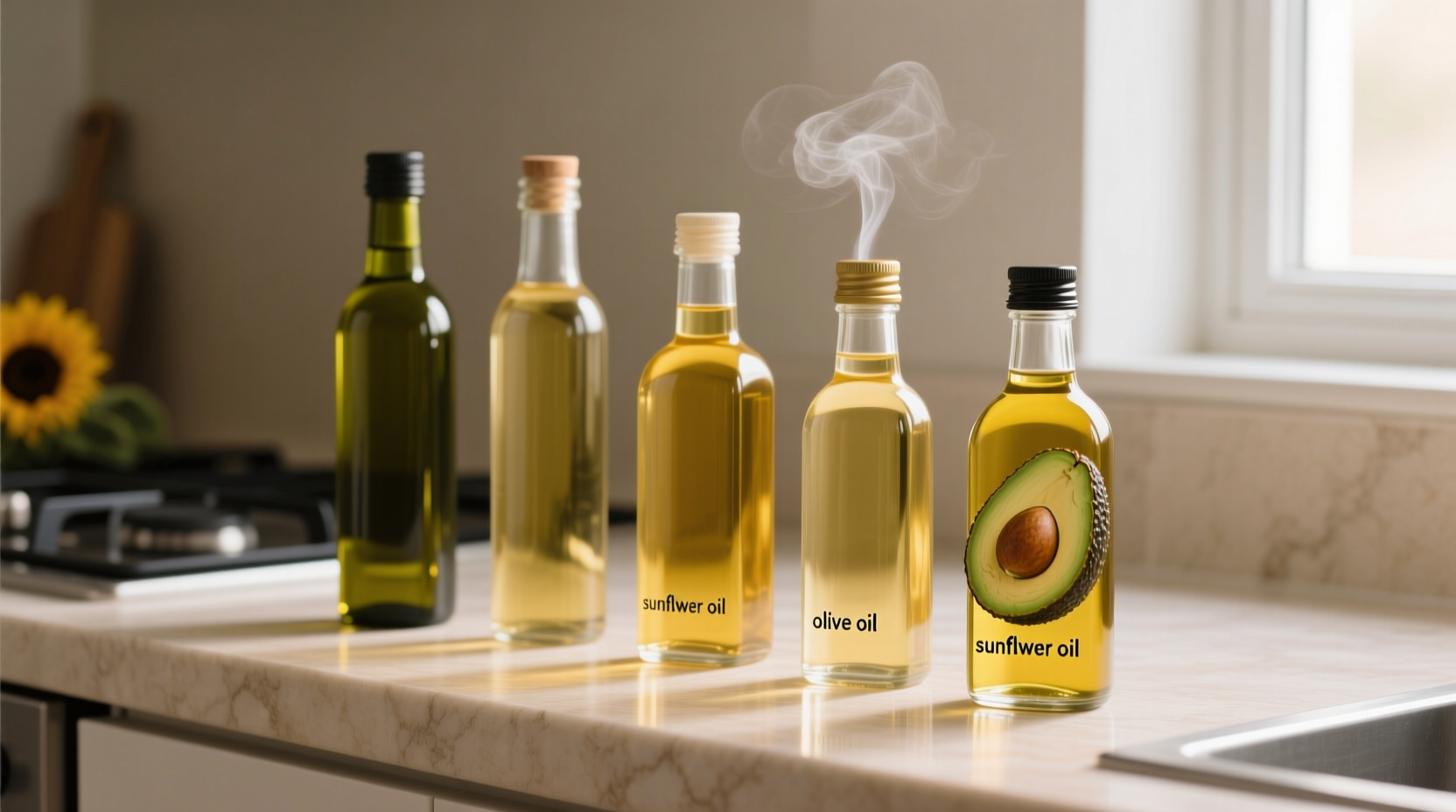
Top Neutral Cooking Oils Compared
| Oil Type | Smoke Point | Flavor Profile | Best Uses |
|---|---|---|---|
| Refined Avocado | 520°F (271°C) | Virtually flavorless | High-heat frying, grilling, baking |
| Grapeseed | 420°F (216°C) | Extremely mild | Salad dressings, baking, sautéing |
| Canola | 400°F (204°C) | Slightly nutty (refined) | General cooking, baking, frying |
| Vegetable Blend | 400-450°F (204-232°C) | Neutral | Frying, baking, everyday cooking |
| Light Olive Oil | 468°F (242°C) | Mild, barely detectable | Medium-heat cooking, baking |
When Neutral Oils Make or Break Your Dish
Understanding when to use neutral cooking oil separates amateur cooks from professionals. Consider these critical applications:
Baking Applications
In cakes, muffins, and quick breads, neutral oils create moist textures without competing with delicate flavors like vanilla, citrus, or spices. A study published in the Journal of Food Chemistry demonstrated that cakes made with neutral oils consistently scored higher in flavor purity tests compared to those made with flavorful oils.
Frying and Searing
For perfect fried chicken or seared fish, neutral oils prevent flavor transfer between batches. Restaurants use neutral oils in deep fryers specifically because they don't absorb and redistribute previous flavors—a critical factor for consistent results.
Dressings and Emulsions
When making mayonnaise or vinaigrettes, neutral oils allow vinegar, citrus, and herbs to dominate the flavor profile. Culinary experts at the Culinary Institute of America note that using flavorful oils in these applications often creates unbalanced dressings where the oil flavor overwhelms other ingredients.
Avoiding Common Neutral Oil Mistakes
Even experienced cooks make these critical errors with neutral oils:
- Assuming all "vegetable oils" are neutral—Some blends contain sesame or other flavorful oils
- Using extra virgin olive oil when neutral is specified—Its strong flavor will dominate dishes
- Overheating neutral oils beyond smoke point—Destroys neutrality and creates harmful compounds
- Storing neutral oils improperly—Light and heat cause rancidity, creating off-flavors
The National Center for Home Food Preservation recommends storing neutral oils in dark glass containers away from heat sources. Properly stored, most neutral oils maintain freshness for 6-12 months—significantly longer than unrefined oils.
Choosing the Right Neutral Oil for Your Needs
Selecting the best neutral cooking oil depends on your specific application:
- For high-heat applications (450°F+): Refined avocado oil
- For baking delicate desserts: Grapeseed or light olive oil
- For everyday cooking: Canola or vegetable blend
- For homemade mayonnaise: Pure sunflower or safflower oil
Remember that "neutral" doesn't mean nutritionally identical. The Academy of Nutrition and Dietetics notes that while all neutral oils provide similar cooking functionality, their fatty acid profiles differ significantly. For heart-healthy options, look for neutral oils high in monounsaturated fats like refined avocado or high-oleic sunflower oil.
Practical Tips for Using Neutral Oils
Maximize your neutral oil performance with these professional techniques:
- Always check the label for "refined"—unrefined versions aren't neutral
- Perform a smell test before using—rancid oil will have a stale, cardboard-like odor
- For baking, substitute neutral oil for butter at 75% of the butter quantity
- When deep frying, maintain oil temperature between 350-375°F for optimal results
- Never mix different oil types in your fryer—this creates unpredictable flavor profiles
Professional chefs at top culinary institutions emphasize that understanding what neutral cooking oil to use is fundamental kitchen knowledge. As Chef Thomas Keller notes in his culinary writings, "The right oil choice is the silent ingredient that makes all others shine."




 浙公网安备
33010002000092号
浙公网安备
33010002000092号 浙B2-20120091-4