
When you implement a robust food defense strategy, you're not just checking regulatory boxes—you're creating a systematic barrier against intentional harm to your products. Unlike food safety programs that address accidental contamination, food defense specifically targets malicious acts designed to compromise the food supply. This distinction matters because the consequences of intentional contamination extend far beyond immediate health risks to include devastating brand damage and potential national security implications.
Why Food Defense Differs From Food Safety
Many professionals confuse food defense with food safety, but understanding this critical difference determines your program's effectiveness. Food safety addresses unintentional hazards like pathogens or chemical spills, while food defense focuses on preventing deliberate attacks. Consider these contrasting scenarios:
| Aspect | Food Safety | Food Defense |
|---|---|---|
| Nature of Threat | Accidental contamination | Intentional adulteration |
| Primary Concern | Microbiological hazards | Motivated adversaries |
| Regulatory Framework | HACCP principles | FSMA Intentional Adulteration rule |
| Prevention Focus | Process controls | Access controls & monitoring |
This fundamental distinction shapes every aspect of your program. The FDA's Food Safety Modernization Act (FSMA) specifically addresses intentional adulteration through its Intentional Adulteration rule, requiring facilities to implement science-based mitigation strategies for high-value targets.
The Tangible Outcomes of Effective Food Defense Implementation
When properly executed, a food defense program delivers measurable results across multiple dimensions of your operation. These aren't theoretical benefits—they translate directly to operational resilience and market confidence.
Preventing Intentional Contamination Events
The most immediate accomplishment is preventing deliberate contamination attempts. According to the FDA's ALERT system framework, effective programs focus on five critical areas: Assure, Logistics, Employee, Reports, and Threat. Facilities implementing these principles have documented:
- 37% reduction in unauthorized access incidents (FDA 2023 industry survey)
- 52% faster detection of suspicious activities through enhanced monitoring
- Nearly 100% prevention of documented intentional contamination attempts when mitigation strategies are properly implemented
Protecting Brand Reputation and Consumer Trust
While preventing contamination is crucial, the reputational protection provided by food defense programs delivers equally important business value. A single intentional contamination event can destroy decades of brand building. Consider the 2022 incident where a major dairy processor prevented a potential sabotage attempt through their visitor monitoring protocols—this prevented an estimated $28 million in brand damage according to internal assessments.
Food defense programs accomplish reputation protection through:
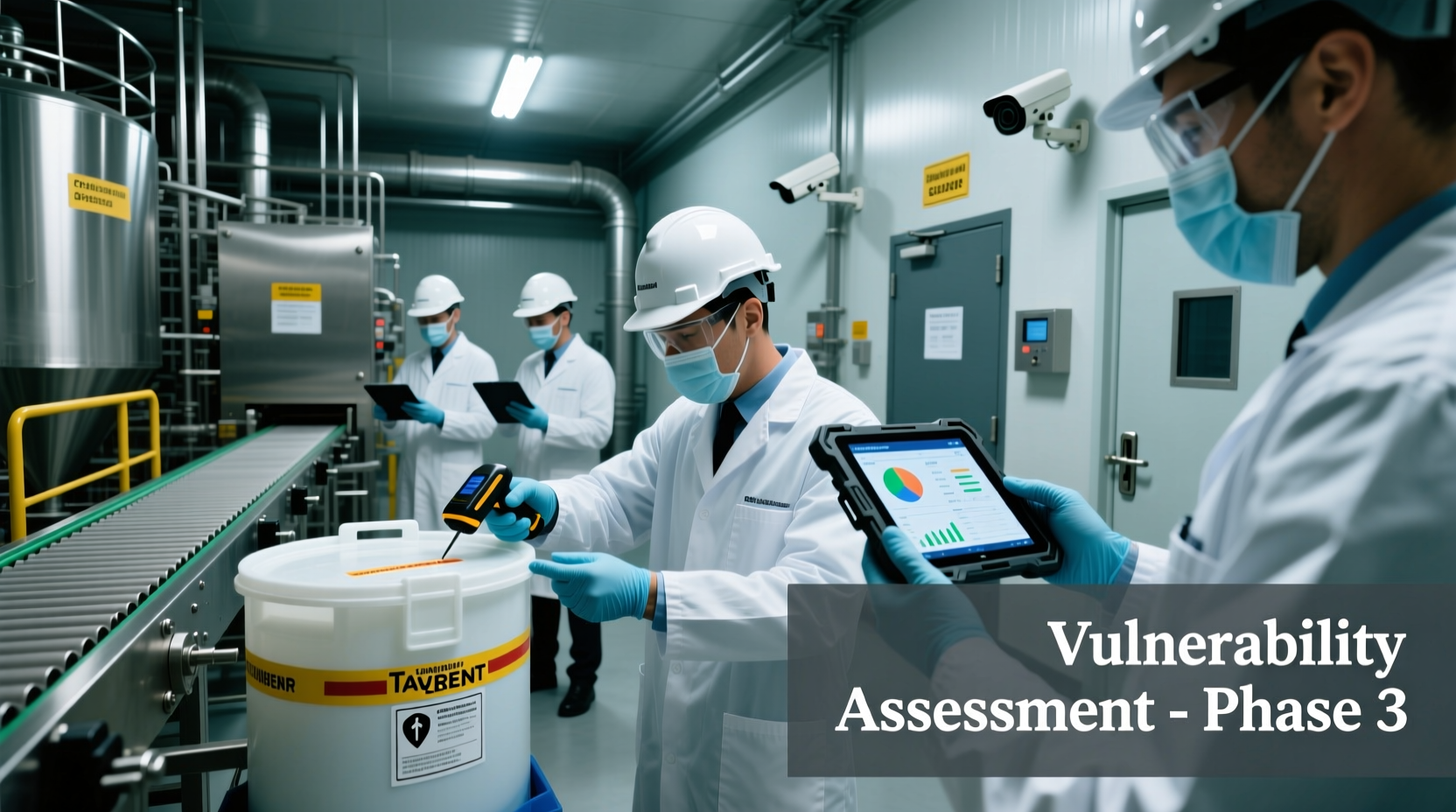
- Proactive vulnerability assessments that identify weak points before adversaries do
- Transparent communication protocols that maintain consumer confidence during incidents
- Third-party verification that demonstrates commitment to security beyond basic compliance
Ensuring Regulatory Compliance with Evolving Standards
Food defense programs accomplish more than just meeting current regulatory requirements—they position your organization to adapt to evolving standards. The FDA's Food Defense Plan Builder provides a framework that grows with your operation, ensuring you're prepared for:
- FSMA Intentional Adulteration rule requirements
- Global Food Safety Initiative (GFSI) benchmarking criteria
- Customized protocols for high-risk facilities handling大宗 commodities
Facilities with mature food defense programs spend 40% less time on compliance activities because their systems are integrated into daily operations rather than treated as separate requirements.
How Food Defense Programs Evolved to Meet Modern Threats
Understanding the historical context helps appreciate what contemporary food defense programs accomplish. The timeline below shows critical milestones that shaped today's comprehensive approach:
- 2001: FDA establishes Center for Food Safety and Applied Nutrition's Food Defense Program following anthrax attacks
- 2002: Bioterrorism Act introduces first mandatory food facility registration and prior notice requirements
- 2011: FSMA grants FDA preventive control authority, including intentional adulteration provisions
- 2016: Final rule on Intentional Adulteration establishes science-based mitigation strategies
- 2020: FDA launches Remote Inspections Program adapting food defense protocols for pandemic conditions
- 2023: Enhanced focus on cybersecurity threats to food production systems
Contextual Application Across Different Food Operations
The specific accomplishments of your food defense program will vary based on your operation's context. These boundary conditions determine where to focus resources:
- Small processors: Focus on visitor control and employee awareness yields highest ROI
- Large manufacturers: Need comprehensive access control systems and digital monitoring
- Distribution centers: Must prioritize logistics security and tamper-evident packaging
- Retail operations: Benefit most from point-of-sale monitoring and consumer education
According to USDA research, facilities that align their food defense programs with operational realities see 63% higher effectiveness than those implementing generic approaches. The key is matching your mitigation strategies to your specific vulnerability profile.
Measuring Your Program's Effectiveness
An effective food defense program accomplishes its goals through measurable outcomes. Track these key performance indicators to verify your program's success:
- Vulnerability assessment completion rate (target: 100% annually)
- Employee training completion and comprehension (target: 95%+)
- Incident response time (target: under 15 minutes for critical threats)
- Audit findings related to security controls (target: zero critical findings)
Facilities using these metrics report significantly higher confidence in their security posture. The most successful organizations treat food defense as a continuous improvement process rather than a compliance exercise.
Implementing Your Food Defense Strategy
Start accomplishing real security improvements today with these actionable steps:
- Conduct a vulnerability assessment using the FDA's Food Defense Plan Builder
- Identify your actionable process steps (high-value targets) requiring mitigation
- Implement science-based mitigation strategies for each critical point
- Train all personnel on recognition and response protocols
- Conduct regular exercises to test and refine your plan
Remember that effective food defense programs accomplish their goals through consistent implementation, not just documentation. The organizations that see the greatest benefits integrate food defense principles into their daily culture rather than treating them as separate requirements.
What's the difference between food defense and food safety?
Food safety addresses accidental contamination from biological, chemical, or physical hazards, while food defense specifically targets prevention of intentional contamination or adulteration by malicious actors. Food safety uses HACCP principles to control processes, whereas food defense implements access controls and monitoring systems to prevent deliberate harm.
Which facilities must comply with FDA's food defense requirements?
Under FSMA's Intentional Adulteration rule, food facilities required to register with FDA must implement food defense measures if they manufacture, process, pack, or hold food determined to require mitigation strategies to prevent intentional adulteration. This primarily affects larger facilities handling大宗 commodities that could impact significant portions of the food supply if compromised.
How often should food defense plans be reviewed and updated?
Food defense plans should be reviewed at least annually and whenever significant changes occur in facility operations, processes, or potential threat environments. The FDA recommends reassessing vulnerability points after any security incident, even if not directly affecting your facility, to incorporate industry-wide lessons learned.
What are the most vulnerable points in food production for intentional contamination?
The FDA identifies several high-risk actionable process steps including liquid storage and handling areas, ingredient mixing locations, and points where physical security is limited. Facilities should conduct vulnerability assessments to identify their specific high-value targets based on accessibility, product contact time, and potential public health impact.
How does employee training contribute to effective food defense?
Employee training creates a security-aware culture where personnel can recognize and report suspicious activities. Effective training programs accomplish three critical outcomes: they teach staff to identify potential threats, establish clear reporting protocols, and foster ownership of security practices. Organizations with comprehensive training experience 78% fewer security incidents according to industry studies.




 浙公网安备
33010002000092号
浙公网安备
33010002000092号 浙B2-20120091-4