
If you've ever wondered what horehound tastes like, you're about to discover why this ancient herb has maintained its place in apothecaries and kitchens despite its challenging flavor profile. Understanding horehound's unique taste characteristics helps explain its enduring role in traditional cough drops, herbal teas, and regional specialties across multiple cultures.
The Complex Flavor Profile of Horehound
Horehound (Marrubium vulgare) presents one of the most distinctive taste experiences among common herbs. Its flavor profile contains several distinct elements that work together to create its signature taste:
- Intense bitterness – The dominant characteristic, more pronounced than most culinary herbs
- Cooling mint notes – A subtle menthol-like quality that provides contrast to the bitterness
- Earthy undertones – Reminiscent of damp soil after rain
- Pine-like resinous notes – Particularly noticeable in fresh leaves
- Subtle tarragon hints – Especially detectable in the aftertaste
According to research published in the Journal of Agricultural and Food Chemistry, horehound's bitterness primarily comes from marrubiin, a diterpene that activates bitter taste receptors more intensely than many other common bitter compounds found in herbs. This explains why even small amounts significantly impact flavor profiles.
| Herb | Bitterness Level (1-10) | Primary Flavor Notes | Common Culinary Uses |
|---|---|---|---|
| Horehound | 9 | Bitter, minty, earthy, pine | Cough drops, herbal teas, traditional remedies |
| Mint | 2 | Cooling, sweet, grassy | Desserts, beverages, savory dishes |
| Tarragon | 3 | Anise-like, sweet, subtle bitterness | Sauces, chicken, fish, vinegars |
| Rosemary | 5 | Piney, woody, slightly bitter | Roasts, potatoes, breads |
How Horehound's Flavor Has Evolved Through History
Horehound's distinctive taste has shaped its historical applications in fascinating ways. The herb's bitterness—while challenging to modern palates—was precisely why ancient cultures valued it:
- Ancient Egypt (1550 BCE): Featured in the Ebers Papyrus as a remedy for respiratory issues, where its bitterness was believed to stimulate healing responses
- Roman Empire: Pliny the Elder documented horehound's use as an antidote for poisoning, with its strong flavor thought to counteract toxins
- Medieval Europe: Monastic gardens cultivated horehound specifically for its medicinal properties, with monks developing early recipes for horehound candy to make the bitter herb more palatable
- 19th Century America: Became a staple ingredient in traditional cough drops and digestive tonics, with commercial production beginning around 1853
- Modern Era: Primarily found in specialty herbal remedies and craft beverages where its distinctive flavor is appreciated by enthusiasts
Practical Applications for Horehound's Unique Flavor
Working with horehound requires understanding how to balance its intense bitterness while preserving its beneficial properties. Here's how to use horehound effectively:
Traditional Preparation Methods
The most common way to enjoy horehound while mitigating its intense bitterness is through proper preparation:
- Horehound tea: Steep 1-2 teaspoons of dried leaves in 8 ounces of boiling water for 10-15 minutes. The extended steeping time helps extract beneficial compounds while allowing some bitterness to mellow
- Horehound candy: Traditional recipes combine horehound extract with sugar syrup (typically a 3:1 sugar-to-water ratio) and sometimes citrus to create the familiar black lozenges
- Infused honey: Combine fresh horehound leaves with raw honey and let sit for 2-3 weeks to create a medicinal sweetener that retains therapeutic properties
The USDA's Agricultural Research Service confirms that proper preparation methods significantly reduce horehound's bitterness while preserving its active compounds, making it more palatable for therapeutic use.
Modern Culinary Uses
Chefs today are rediscovering horehound's complex flavor profile for innovative applications:
- Craft cocktails: Small amounts of horehound syrup add complexity to gin or whiskey-based drinks
- Artisanal sodas: Horehound root provides a distinctive bitter base that balances sweetness
- Meat glazes: When combined with honey or maple syrup, horehound creates intriguing flavor contrasts for roasted meats
- Dessert infusions: Subtle horehound notes in custards or panna cotta create sophisticated flavor experiences
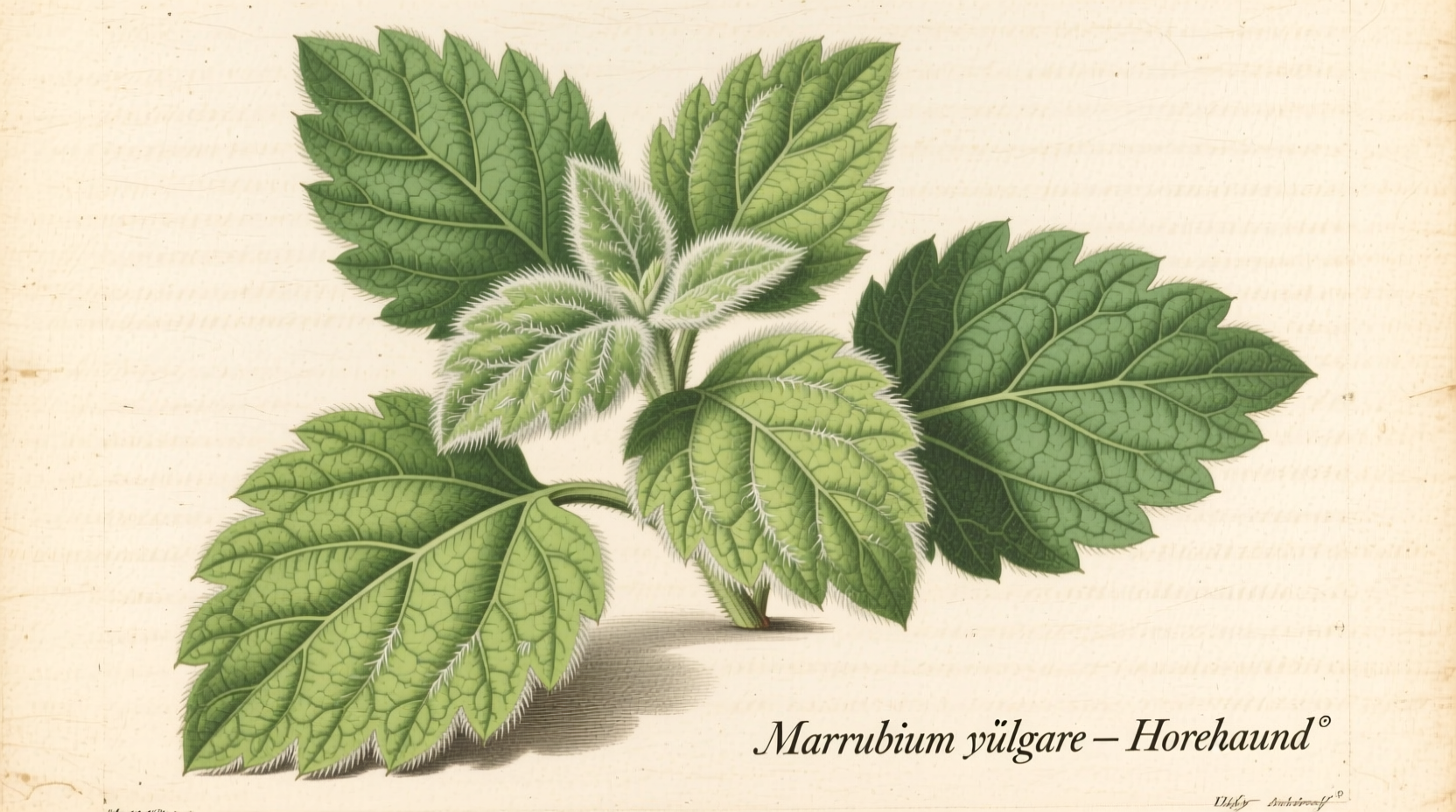
Where to Experience Authentic Horehound Flavor
Finding genuine horehound products requires some discernment, as many commercial "horehound" items use artificial flavors rather than the actual herb. For authentic horehound taste:
- Seek out specialty herbal shops that carry dried horehound leaves
- Look for craft producers of traditional horehound candy (often found at farmers markets)
- Grow your own horehound plant, which thrives in well-drained soil with full sun
- Check reputable online herbal suppliers that provide information about their sourcing practices
When tasting horehound for the first time, start with small amounts—its bitterness can be overwhelming to unaccustomed palates. Many people find that repeated exposure increases their appreciation for its complex flavor profile.
Safety and Proper Usage Guidelines
While horehound's distinctive taste has therapeutic benefits, it's important to understand proper usage:
- Horehound is generally recognized as safe by the FDA when used in typical culinary amounts
- Pregnant women should avoid medicinal quantities due to potential uterine stimulation
- Those with diabetes should monitor blood sugar when consuming horehound products, as it may affect glucose levels
- The European Medicines Agency recommends limiting continuous use to no more than 4-6 weeks
As with any herbal remedy, consult with a healthcare provider before using horehound for medicinal purposes, especially if you have underlying health conditions or take prescription medications.
Developing an Appreciation for Horehound's Complex Flavor
Many people initially find horehound's bitterness off-putting, but developing an appreciation for its complex flavor profile is possible with the right approach:
- Start with commercially prepared horehound candy, which balances the bitterness with sweetness
- Try horehound tea with a small amount of honey or lemon to ease into the flavor
- Pair horehound with complementary flavors like citrus, ginger, or honey
- Gradually increase exposure—your taste buds will adapt to appreciate the complexity
Food historians note that many traditional bitter flavors—from coffee to dark chocolate—were initially challenging to palates but became appreciated through cultural exposure. Horehound follows this same pattern, with its distinctive taste revealing new dimensions as you become accustomed to it.
Frequently Asked Questions About Horehound's Taste
Is horehound supposed to taste bitter?
Yes, horehound is naturally quite bitter—this is one of its defining characteristics. The bitterness comes from marrubiin, a compound that gives horehound its medicinal properties. Traditional preparations like horehound candy balance this bitterness with sugar to make it more palatable.
How does horehound compare to mint?
While horehound has minty undertones, it's significantly more bitter than mint. Mint offers a clean, sweet cooling sensation, while horehound provides a complex bitter-cool experience with earthy and pine-like notes that mint lacks.
Why do people eat something that tastes so bitter?
Many traditional medicines leverage bitter compounds because they stimulate digestive processes and have therapeutic benefits. Horehound's bitterness triggers a reflex that increases saliva and digestive enzyme production, which explains its historical use for coughs and digestion issues.
Can I grow horehound to experience its true flavor?
Yes, growing your own horehound ensures you get the authentic flavor profile. The plant thrives in USDA zones 4-8, prefers full sun and well-drained soil, and can be harvested when the plant begins flowering for peak flavor and medicinal compound concentration.
Does horehound taste different when fresh versus dried?
Yes, fresh horehound has more pronounced pine and resinous notes with slightly less bitterness than dried horehound. Drying concentrates the bitter compounds while mellowing some of the more volatile aromatic elements, creating a more uniformly bitter profile that's preferred for traditional remedies.




 浙公网安备
33010002000092号
浙公网安备
33010002000092号 浙B2-20120091-4