
Chia seeds can be safely introduced to infants after 12 months of age when properly prepared through thorough soaking to eliminate choking hazards, offering valuable omega-3 fatty acids and fiber that support infant development when incorporated in appropriate serving sizes under pediatric guidance.
Understanding Chia Seeds in Infant Nutrition: What Parents Need to Know First
When considering chia seeds for your infant's diet, safety must come before nutritional benefits. The American Academy of Pediatrics (AAP) emphasizes that whole or improperly prepared chia seeds present significant choking risks for children under 12 months due to their ability to rapidly absorb liquid and expand in size. This critical safety information should guide all decisions about introducing chia seeds to your baby's diet. As a parent, you're likely wondering: When can I safely give chia seeds to my infant? The answer depends on proper preparation methods and developmental readiness. Unlike many other superfoods, chia seeds require specific handling to make them safe for young digestive systems.Chia Seeds Safety Timeline for Infants
| Age Range | Safety Status | Preparation Requirements |
|---|---|---|
| Under 6 months | Not recommended | Avoid completely - breast milk/formula only |
| 6-12 months | High risk | Only if thoroughly soaked for 12+ hours in 10:1 ratio (liquid:seeds) |
| 12-24 months | Generally safe | Soaked minimum 4 hours in 8:1 ratio, mixed into purees or oatmeal |
| 24+ months | Safe with supervision | Can use soaked or dry in small quantities, monitor for choking |
Nutritional Benefits When Prepared Safely
When properly prepared, chia seeds offer notable nutritional advantages for growing infants. According to USDA FoodData Central, just one teaspoon of soaked chia seeds provides:- 110mg of plant-based omega-3 ALA (alpha-linolenic acid), supporting brain development
- 1.2g of dietary fiber, aiding digestion when introduced gradually
- Significant calcium, magnesium, and phosphorus for bone development
- Complete protein profile with all nine essential amino acids
Safe Preparation Methods for Infant Consumption
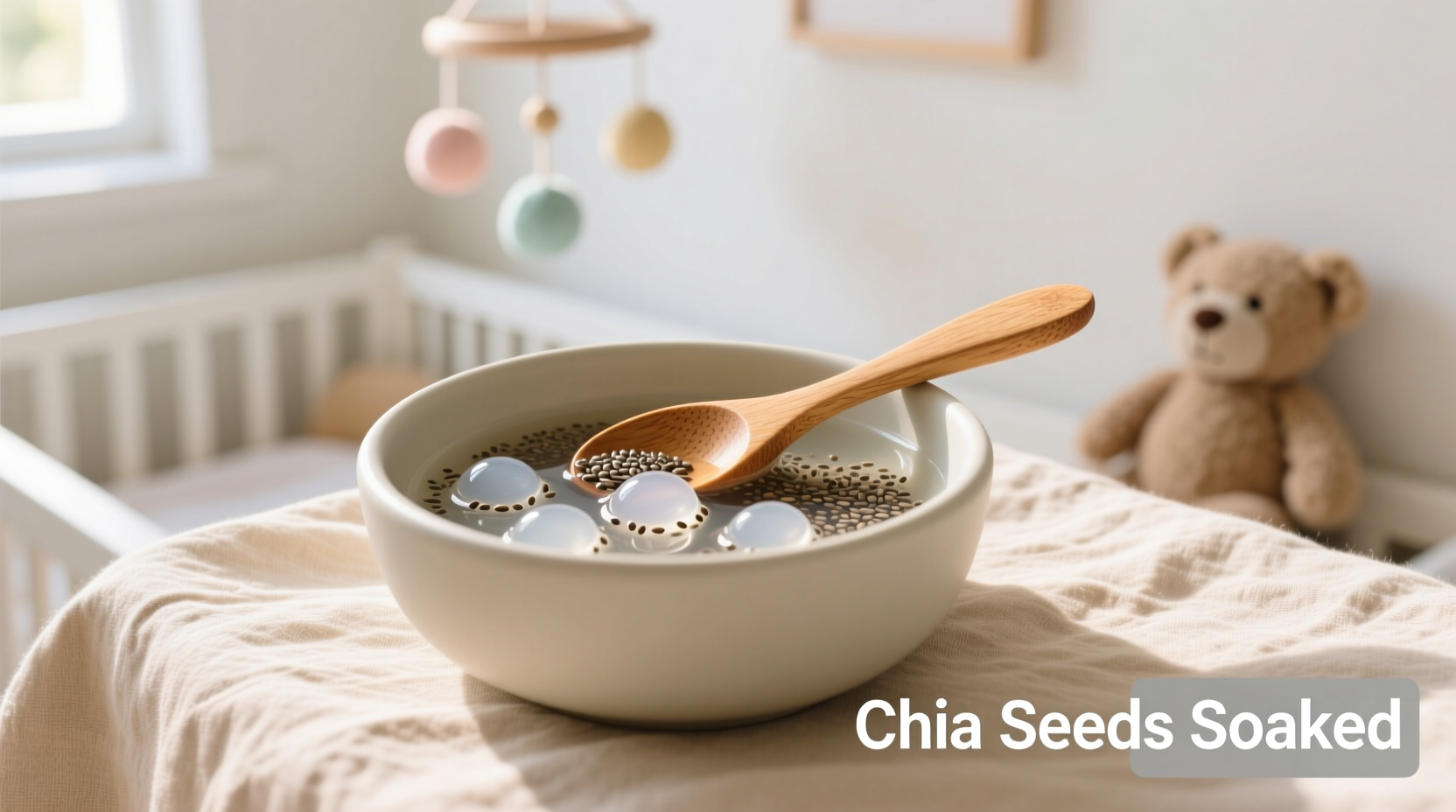
The key to safely incorporating chia seeds into your infant's diet lies in proper preparation. Whole chia seeds can absorb 10-12 times their weight in liquid and expand in the throat, creating dangerous choking hazards. Follow these evidence-based preparation guidelines:- Thorough soaking: Use a minimum 8:1 liquid-to-seed ratio (e.g., 8 ounces liquid to 1 ounce seeds)
- Adequate time: Soak for at least 4 hours at room temperature or overnight in the refrigerator
- Texture check: Seeds should be completely gelatinous with no hard centers
- Appropriate mixing: Blend into familiar foods like pureed fruits, oatmeal, or yogurt
- Start small: Begin with 1/4 teaspoon of soaked seeds and monitor for any reactions
Professional Recommendations from Pediatric Nutrition Experts
The American Academy of Pediatrics recommends consulting with your pediatrician before introducing chia seeds or any new food to your infant's diet. Their 2023 infant nutrition guidelines state: "Small, hard foods that can expand when exposed to moisture, like chia seeds, should be avoided in children under 12 months and introduced with extreme caution between 12-24 months with proper preparation." Registered dietitians specializing in pediatric nutrition suggest these practical implementation tips:- Introduce chia seeds after other solid foods have been well-tolerated
- Never serve dry chia seeds to infants or toddlers
- Monitor for potential allergic reactions (rash, vomiting, diarrhea)
- Limit initial servings to 1/4-1/2 teaspoon of soaked seeds per day
- Combine with iron-rich foods as chia seeds contain compounds that may inhibit iron absorption
Common Mistakes to Avoid with Chia Seeds and Infants
Many well-intentioned parents make these critical errors when introducing chia seeds:- Insufficient soaking time - Seeds must be fully expanded before serving
- Incorrect liquid ratios - Too little liquid creates dangerous gel pockets
- Serving size errors - More than 1 teaspoon daily can cause digestive upset
- Mixing with thick purees - Seeds may not fully hydrate in thick bases
- Ignoring developmental readiness - Chewing skills must match food texture
Alternative Nutrient Sources During Early Development
For infants under 12 months or those not ready for chia seeds, consider these developmentally appropriate alternatives that provide similar nutritional benefits:- Flaxseed oil - Provides omega-3s without choking risk (consult pediatrician)
- Fatty fish - Salmon puree offers bioavailable DHA for infants 6+ months
- Fortified infant cereals - Many contain added omega-3s and iron
- Avocado - Healthy fats and fiber in a naturally soft texture
- Ground hemp seeds - Softer texture than chia with similar nutritional profile
Practical Implementation Guide for Parents
Here's a step-by-step approach to safely incorporating chia seeds into your infant's diet:- Consult your pediatrician before introducing chia seeds
- Begin only after your infant has successfully eaten other solid foods
- Prepare chia gel using 1 part seeds to 8 parts liquid (breast milk, formula, or water)
- Soak for minimum 4 hours until completely gelatinous
- Start with 1/4 teaspoon mixed into familiar purees or oatmeal
- Observe for 3-5 days for any adverse reactions
- Gradually increase to maximum 1 teaspoon daily if well-tolerated
- Always supervise during feeding and ensure proper seating position




 浙公网安备
33010002000092号
浙公网安备
33010002000092号 浙B2-20120091-4