
The Science Behind Perfect Hard Boiled Eggs
Understanding egg chemistry transforms your hard boiled egg results. When eggs heat, proteins denature and coagulate in stages. The whites set at 180°F (82°C), while yolks firm up between 158-170°F (70-77°C). Exceeding these temperatures causes sulfur compounds to react with iron in the yolk, creating that unappetizing green-gray ring. The ideal hard boiled egg maintains a bright yellow yolk with a smooth, creamy texture throughout.
| Cooking Method | Yolk Color | Peelability | Consistency |
|---|---|---|---|
| Boil 15+ minutes | Green-gray ring | Difficult | Dry, crumbly |
| Steam 12 minutes | Bright yellow | Moderate | Evenly firm |
| Our recommended method | Vibrant yellow | Easy | Creamy, no ring |
Equipment Checklist
- Medium saucepan with lid
- Eggs (preferably 7-10 days old for easier peeling)
- Cold water
- Slotted spoon
- Bowl for ice bath
- Timer
Step-by-Step Perfect Hard Boiled Eggs
Preparation Phase
Start with room temperature eggs to prevent cracking. Place eggs in a single layer at the bottom of your saucepan. Cover with cold water until eggs have 1 inch of water above them. This gradual heating prevents thermal shock.
Cooking Process
- Bring water to rolling boil over medium-high heat
- Once boiling, set timer for exactly 12 minutes
- Maintain gentle boil (reduce heat slightly if necessary)
- Do not cover the pot during cooking
Cooling Technique
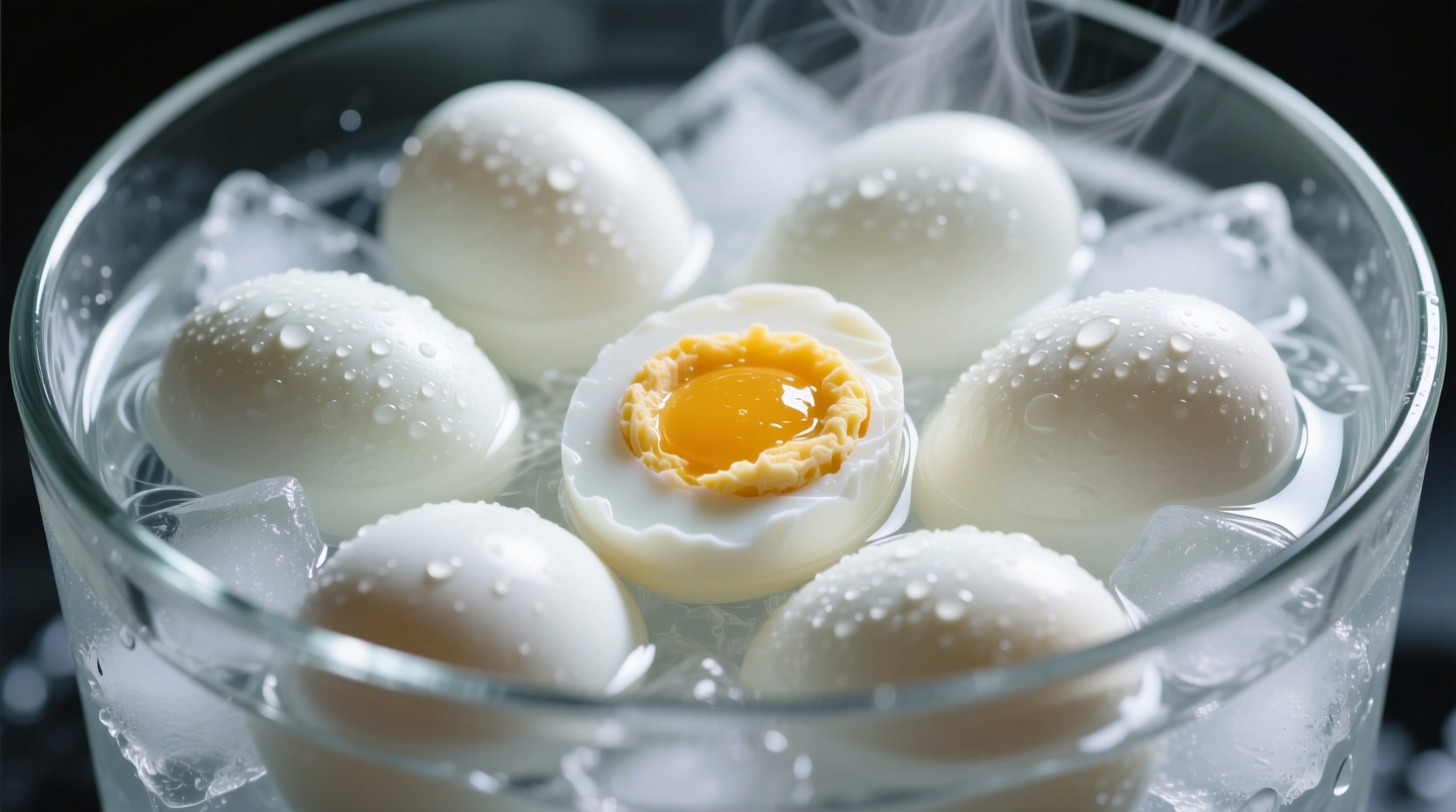
Immediately transfer eggs to ice bath using slotted spoon when timer ends. Fill bowl with equal parts ice and water. Let eggs cool for exactly 15 minutes. This rapid cooling stops residual cooking and creates a small air pocket between shell and membrane, making peeling effortless.
Peeling Method
Gently tap egg on hard surface to create multiple cracks. Roll between palms to loosen shell. Start peeling from the wider end where air pocket forms. Hold under running water to help separate membrane from egg white.
Troubleshooting Common Problems
Green Ring Around Yolk
This occurs when eggs overcook, causing sulfur compounds to react with iron. Our precise 12-minute timing prevents this. Older eggs naturally have higher pH, which also helps prevent green rings. According to USDA food safety guidelines, properly cooked hard boiled eggs should reach an internal temperature of 160°F (71°C) without exceeding it.
Difficult Peeling
Fresh eggs have lower pH, causing membrane to stick to shell. Eggs aged 7-10 days peel most easily. The ice bath creates contraction that separates membrane from shell. Starting peel at the air pocket end (wider end) provides the best leverage point.
Cracked Eggs During Cooking
Add 1 teaspoon vinegar to water before heating to help coagulate whites if cracks occur. Room temperature eggs are less prone to cracking than cold eggs. Lower heat slightly once water reaches boil to prevent violent bubbling.
Storage and Usage Guidelines
Store unpeeled hard boiled eggs in refrigerator for up to one week. Never store peeled eggs - the exposed white absorbs refrigerator odors and becomes rubbery. For meal prep, keep eggs in original carton on a middle shelf (not door) where temperature remains most consistent. The American Egg Board recommends consuming hard boiled eggs within seven days for optimal quality and safety.
Why This Method Has Evolved
Traditional hard boiled egg methods often involved 15-20 minute cooking times, resulting in overcooked yolks. Modern food science reveals precise temperature control creates superior results. Professional kitchens now use sous vide techniques at 167°F (75°C) for 45 minutes, but our stovetop method delivers comparable quality with standard equipment. This evolution reflects our deeper understanding of egg protein behavior during heating.
Frequently Asked Questions
How long should I boil eggs for perfect hard boiled results?
Boil eggs for exactly 12 minutes after water reaches a rolling boil. This timing ensures fully set whites and creamy yolks without the green sulfur ring. Start timing only when water is at a full, rolling boil, not when it first begins simmering.
Why do my hard boiled eggs have a green ring around the yolk?
Green rings form when eggs overcook, causing sulfur in the egg white to react with iron in the yolk. This happens when cooking exceeds 15 minutes or when eggs remain in hot water after cooking. Our 12-minute method with immediate ice bath cooling prevents this chemical reaction.
What's the best way to peel hard boiled eggs without tearing the white?
Cool eggs in ice bath for 15 minutes, then gently tap on hard surface to create multiple cracks. Roll between palms to loosen shell, then start peeling from the wider end where the air pocket forms. Holding the egg under running water while peeling helps separate the membrane from the egg white.
Can I use very fresh eggs for hard boiling?
Fresh eggs (less than 7 days old) are actually harder to peel because their lower pH causes the membrane to stick to the shell. Eggs aged 7-10 days work best for hard boiling. If using very fresh eggs, add 1/2 teaspoon baking soda to the cooking water to increase pH and improve peelability.




 浙公网安备
33010002000092号
浙公网安备
33010002000092号 浙B2-20120091-4