
Understanding Your Digestive Triggers
When constipation strikes, your body needs specific compounds to restart natural elimination. Fiber acts like a broom, sweeping waste through your system, while certain sugars draw water into your intestines. Magnesium relaxes intestinal muscles, and probiotics feed the gut bacteria that regulate your bowel rhythm.
According to the National Institute of Diabetes and Digestive and Kidney Diseases, adults need 25-38 grams of fiber daily, yet most consume only 15 grams. This deficit directly impacts regularity. The good news? Strategic food choices can bridge this gap effectively.
Top 10 Foods That Activate Your Digestive System
1. Prunes (Dried Plums)
Prunes contain 7g of fiber per 100g plus sorbitol, a sugar alcohol that draws water into the colon. Research published in Alimentary Pharmacology & Therapeutics found prunes outperformed psyllium husk for constipation relief. Consume 3-4 prunes with 8oz water for best results within 6-12 hours.
2. Kiwi Fruit
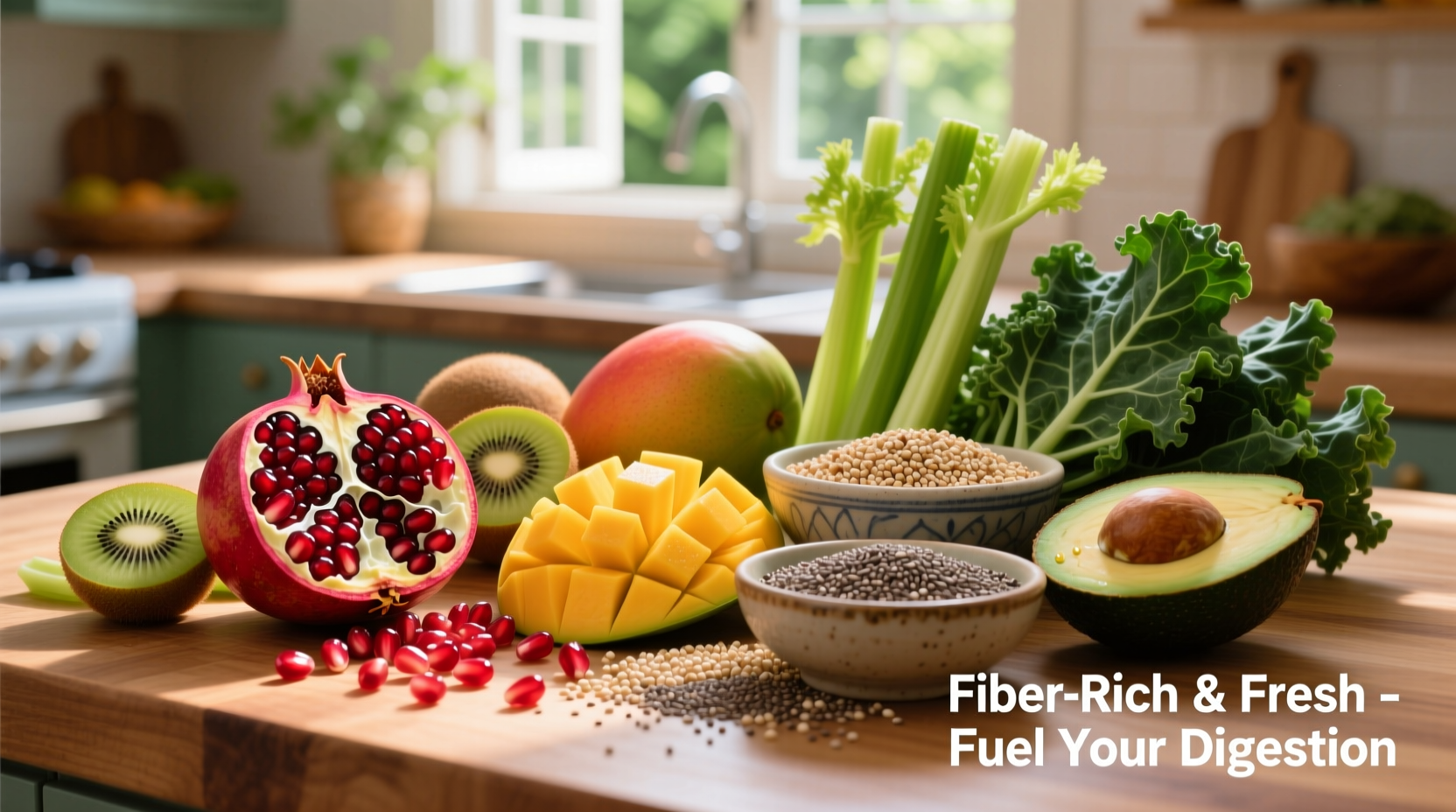
Two medium kiwis provide 5g of fiber and actinidin, an enzyme that accelerates intestinal transit. A 2013 study showed kiwi consumption increased bowel movements by 1.5 per week in constipated patients. Eat with skin for maximum fiber benefit.
3. Chia Seeds
These tiny seeds absorb 10-12 times their weight in water, forming a gel that softens stool. Just 1 ounce (28g) delivers 10g of fiber. Mix with water first to prevent expansion in your throat. Expect results within 4-8 hours when consumed with adequate fluids.
4. Legumes (Lentils, Black Beans)
One cup of cooked lentils provides 15g of fiber - over half your daily needs. The combination of soluble and insoluble fiber creates the perfect stool consistency. Start with 1/2 cup daily to avoid gas, gradually increasing as your system adjusts.
5. Flaxseeds
Ground flaxseed offers 3g fiber per tablespoon plus magnesium. The Mayo Clinic recommends 1-3 tablespoons daily, always with water. Whole seeds often pass undigested, so grinding is essential for effectiveness.
6. Leafy Greens
Spinach and kale contain magnesium and cellulose fiber that stimulates peristalsis. One cup of cooked spinach provides 4g fiber and 157mg magnesium - crucial for muscle function in your digestive tract.
7. Berries
Raspberries lead with 8g fiber per cup. Their small seeds provide gentle mechanical stimulation to intestinal walls. Pair with yogurt for probiotic synergy.
8. Olive Oil
Two tablespoons lubricates the digestive tract and stimulates bile production. Take on an empty stomach first thing in the morning for fastest results.
9. Fermented Foods
Kefir and sauerkraut introduce beneficial bacteria that regulate bowel function. Consume 1/2 cup daily for sustained digestive health rather than immediate relief.
10. Water-Rich Fruits
Watermelon and cantaloupe hydrate while providing fiber. Dehydration is a primary cause of constipation - these fruits address both needs simultaneously.
| Food | Fiber (per serving) | Key Active Compounds | Time to Effect |
|---|---|---|---|
| Prunes (4 pieces) | 3.2g | Sorbitol, dihydrophenylisatin | 6-12 hours |
| Kiwi (2 medium) | 5g | Actinidin, pectin | 12-24 hours |
| Chia seeds (1oz) | 10g | Soluble fiber, omega-3 | 4-8 hours |
| Lentils (1 cup) | 15g | Soluble/insoluble fiber | 24-48 hours |
Digestive Timeline: When to Expect Results
Your digestive system follows predictable patterns. Understanding these timelines helps set realistic expectations:
- 0-2 hours: Foods rich in magnesium (spinach, flaxseed) begin relaxing intestinal muscles
- 2-6 hours: Hydrating foods (watermelon, olive oil) start lubricating the tract
- 4-12 hours: High-fiber foods (chia, prunes) reach the colon where fermentation creates gas that stimulates movement
- 12-24 hours: Full digestive transit occurs as fiber absorbs water and adds bulk
Individual response varies based on your current digestive health, hydration status, and gut microbiome composition. The Mayo Clinic notes that most people experience relief within 12-72 hours of dietary changes.
Avoid These Common Mistakes
Many people sabotage their efforts with these errors:
- Insufficient water: Fiber needs water to work. Without it, constipation worsens. Aim for 8oz water per 5g fiber
- Sudden fiber increases: Jumping from 15g to 30g daily causes gas and cramps. Increase by 5g every 3-4 days
- Ignoring timing: Consuming high-fiber foods late at night gives your system less time to process before sleep
- Over-reliance on one food: Variety ensures you get different fiber types for comprehensive digestive support
When Food Solutions Aren't Enough
Dietary changes work for most occasional constipation cases, but recognize these red flags requiring medical attention:
- Constipation lasting more than 3 weeks despite dietary changes
- Blood in stool or black/tarry stools
- Unexplained weight loss with digestive issues
- Severe abdominal pain accompanying constipation
The American Gastroenterological Association emphasizes that sudden changes in bowel habits after age 50 warrant medical evaluation to rule out serious conditions.




 浙公网安备
33010002000092号
浙公网安备
33010002000092号 浙B2-20120091-4