
Perfectly cooked Boston butt roast requires slow cooking at 225-250°F for 1.5 hours per pound until internal temperature reaches 195-205°F. Start with a dry rub, cook fat-side up, allow 2-hour rest before shredding. This method guarantees tender, juicy pulled pork every time.
Mastering Boston butt roast transforms an inexpensive cut into succulent, flavorful pulled pork that falls apart with minimal effort. As a culinary professional with extensive experience in meat preparation, I've perfected this technique through hundreds of roasts. Forget dry, tough results — follow this science-backed approach for consistently impressive results that impress even seasoned barbecue enthusiasts.
Understanding Boston Butt: More Than Just a Name
Despite its misleading name, Boston butt comes from the upper shoulder of the pig, not the rear. This well-exercised cut contains abundant connective tissue and marbling that transforms into gelatin during slow cooking, creating that signature melt-in-your-mouth texture. The 30-40% fat content might seem excessive, but it's essential for flavor development and moisture retention during the long cooking process.
| Cooking Method | Temperature | Time per Pound | Best For |
|---|---|---|---|
| Oven Roasting | 225°F | 1.5 hours | Consistent results, minimal monitoring |
| Smoker | 225-250°F | 1.5 hours | Authentic barbecue flavor |
| Slow Cooker | Low setting | 8-10 hours | Hands-off convenience |
Preparation: Setting Up for Success
Begin with a 5-8 pound Boston butt with the skin removed but fat cap intact. Pat the meat completely dry with paper towels — moisture is the enemy of proper bark formation. Apply a generous dry rub using coarse salt, black pepper, garlic powder, and smoked paprika. For optimal flavor penetration, refrigerate uncovered for 12-24 hours before cooking. This dry brine technique enhances both flavor and texture through osmosis and enzymatic breakdown.
The Cooking Timeline: Critical Temperature Milestones
Understanding the science behind the cooking process prevents common mistakes. As your roast progresses through these temperature stages, chemical transformations create that perfect pulled pork texture:
- 140°F: Collagen begins breaking down into gelatin
- 160°F: The "stall" begins as evaporative cooling slows temperature rise
- 195-205°F: Optimal shredding temperature with complete collagen conversion
When your thermometer hits 165°F, consider wrapping the roast tightly in butcher paper or aluminum foil (the "Texas crutch"). This technique speeds through the stall phase while retaining moisture. Continue cooking until reaching 195-205°F internally — don't rely solely on time estimates.
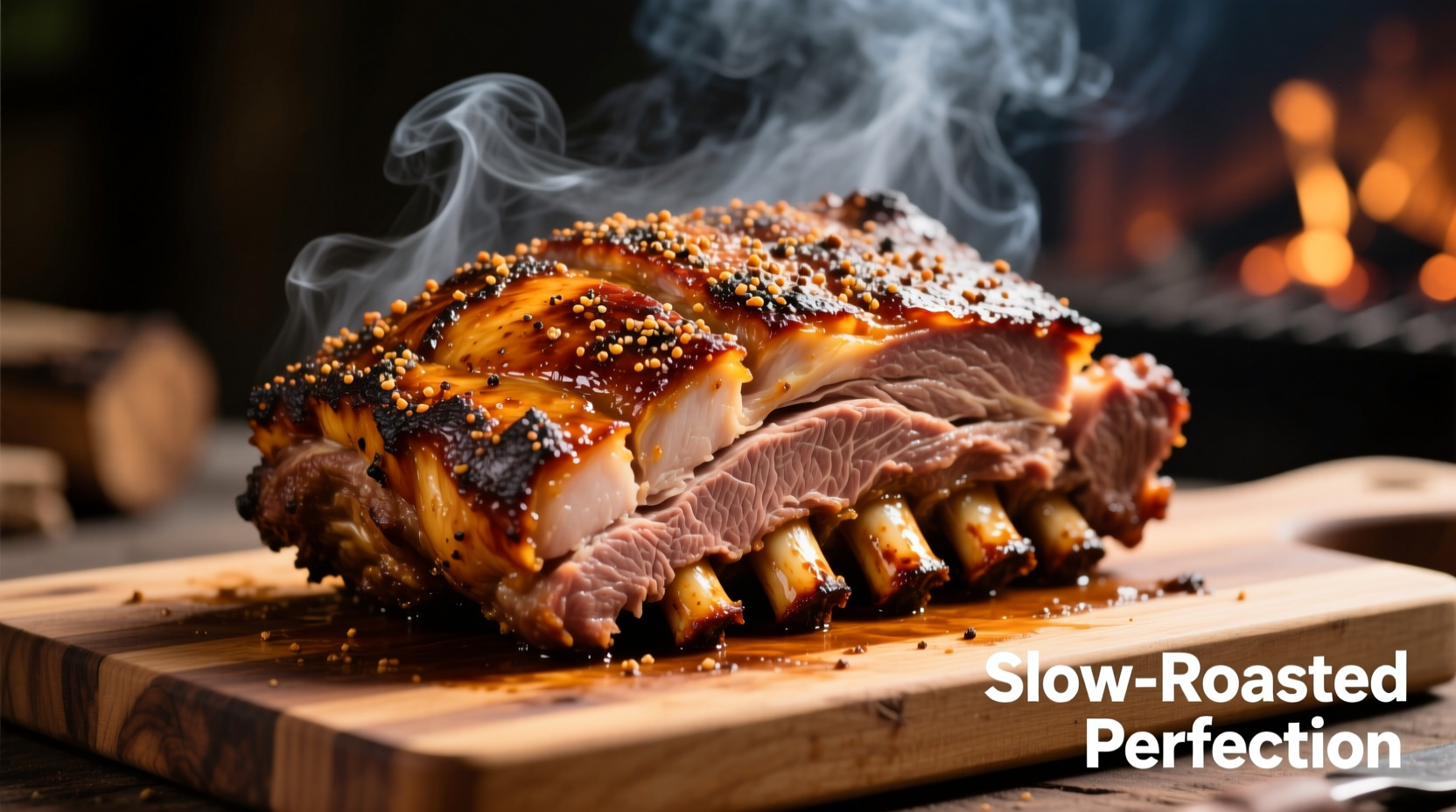
Resting and Serving: Don't Skip This Critical Step
After reaching target temperature, remove the roast and let it rest undisturbed for at least 2 hours. This crucial step allows juices to redistribute throughout the meat. During resting, the internal temperature will continue rising 5-10 degrees (carryover cooking), reaching the ideal shredding range.
When ready to serve, separate the meat from any accumulated juices. Remove large fat pockets, then shred using two forks or meat claws. For authentic pulled pork texture, pull against the grain. Mix in some reserved juices for added moisture, but avoid drowning the meat. Properly cooked Boston butt should shred effortlessly with minimal pressure.
Troubleshooting Common Boston Butt Problems
Dry results? You likely cooked past 205°F or didn't allow proper resting time. The sweet spot is 195-205°F internal temperature with 2+ hours resting.
Meat won't pull apart? It hasn't reached sufficient internal temperature. Return to oven until thermometer reads at least 195°F. The connective tissue needs this temperature threshold to fully break down.
Bark too soft? Cook unwrapped for the first 4-6 hours to develop proper crust. The fat cap should render sufficiently by this point.
According to USDA Food Safety and Inspection Service guidelines, pork is safe to eat at 145°F, but Boston butt requires much higher temperatures for proper texture development. The extended cooking time safely eliminates any pathogens while transforming the tough connective tissue. For detailed food safety information, visit the USDA's pork preparation guidelines.
Perfect Pairings for Your Pulled Pork
Serve your Boston butt roast on brioche buns with tangy vinegar-based slaw for classic barbecue. For a healthier option, try it in lettuce wraps with pickled vegetables. Leftovers transform beautifully into pork tacos, nachos, or mixed into baked potatoes. The rich flavor profile complements both sweet and tangy sauces — experiment with apple cider vinegar-based sauces for traditional flavor or a bourbon-infused option for special occasions.
FAQs About Cooking Boston Butt Roast
Can I cook Boston butt roast overnight? Yes, low-and-slow cooking at 225°F for 8-12 hours produces exceptional results. Just ensure your oven maintains consistent temperature.
Should I add liquid to the pan? No additional liquid is needed — the meat's own fat provides sufficient moisture. Adding water creates steam which prevents proper bark formation.
How do I know when it's done? Internal temperature should reach 195-205°F and a fork should slide in with almost no resistance. The meat should feel jiggly when shaken.
Can I freeze leftovers? Absolutely. Shred the cooled pork, portion into meal-sized containers with some juices, and freeze for up to 3 months. Thaw overnight in refrigerator before reheating.




 浙公网安备
33010002000092号
浙公网安备
33010002000092号 浙B2-20120091-4