
Chia seeds have surged in popularity as a nutritional powerhouse, but understanding their exact caloric value is essential for anyone tracking their dietary intake. Whether you're managing weight, optimizing athletic performance, or simply making informed food choices, knowing precisely how many calories are in chia seeds helps you incorporate them strategically into your meal planning.
Breaking Down Chia Seed Nutrition
When examining how many calories are in chia seeds, it's crucial to understand what those calories deliver nutritionally. According to the USDA FoodData Central database, the standard 28-gram (1-ounce) serving provides:
| Nutrient | Amount per 28g | % Daily Value |
|---|---|---|
| Calories | 138 | 7% |
| Total Fat | 8.7g | 11% |
| Carbohydrates | 12g | 4% |
| Dietary Fiber | 9.8g | 35% |
| Protein | 4.7g | 9% |
This nutritional profile explains why chia seeds have become a staple in health-conscious diets. The high fiber content contributes significantly to their satiety value, meaning those 138 calories keep you feeling full much longer than many other 100-calorie snacks.
Understanding Calorie Context in Real-World Usage
When considering how many calories are in chia seeds, it's important to recognize how people actually consume them. Most individuals don't eat dry chia seeds by the ounce. Instead, they incorporate them into various preparations:
- Chia pudding: 2 tablespoons (about 20g) soaked in almond milk = approximately 99 calories
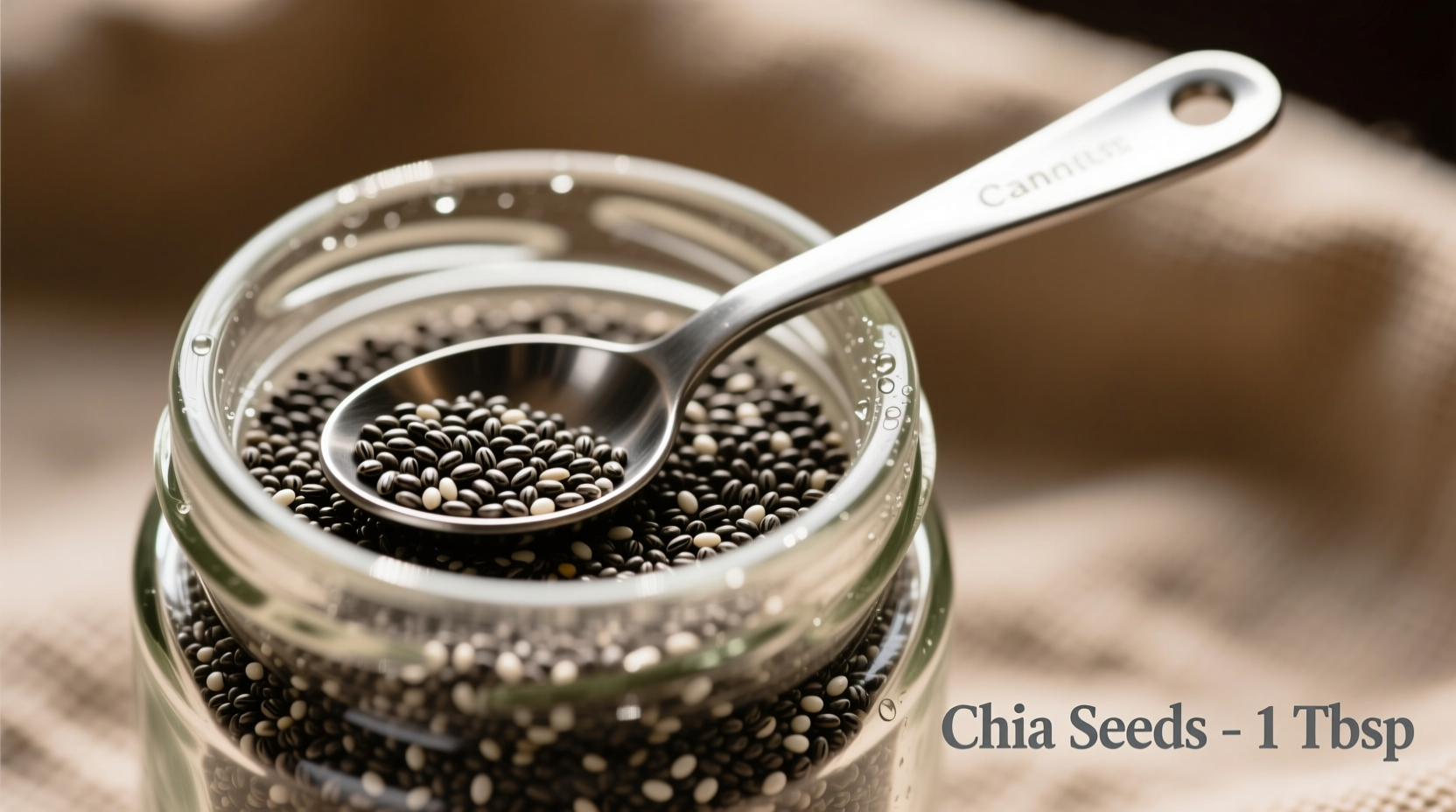
- Smoothie booster: 1 tablespoon (14g) added to smoothies = approximately 69 calories
- Baking ingredient: 1 tablespoon in bread or muffin recipes = approximately 69 calories
- Salad topping: 1 teaspoon (about 5g) sprinkled on salad = approximately 25 calories
Unlike many other calorie sources, chia seeds' nutritional density means you're getting substantial nutritional value per calorie. The healthy fats in chia seeds are primarily omega-3 fatty acids, which support heart health and reduce inflammation.
Comparative Analysis: Chia Seeds vs. Other Super Seeds
Understanding how many calories are in chia seeds becomes more valuable when compared to similar nutritional powerhouses. This fact comparison table shows how chia seeds stack up against other popular seeds:
| Seed Type | Calories per 28g | Fiber (g) | Protein (g) | Notable Nutrients |
|---|---|---|---|---|
| Chia Seeds | 138 | 9.8 | 4.7 | Omega-3, Calcium, Magnesium |
| Flax Seeds | 150 | 7.6 | 5.1 | Omega-3, Lignans |
| Hemp Seeds | 166 | 1.2 | 9.5 | Complete protein, GLA |
| Pumpkin Seeds | 158 | 5.2 | 8.5 | Zinc, Magnesium, Iron |
This comparison reveals why chia seeds stand out—particularly their exceptional fiber content. While all these seeds offer nutritional benefits, chia's combination of high fiber and moderate protein makes them uniquely valuable for sustained energy and digestive health.
Contextual Factors That Affect Caloric Value
When researching how many calories are in chia seeds, it's essential to understand the contextual boundaries that might affect actual caloric intake. While the standard nutritional information remains consistent, several factors influence how your body processes these calories:
- Hydration status: Dry chia seeds absorb 10-12 times their weight in water, which affects how your body processes the calories when consumed hydrated versus dry
- Digestive efficiency: Some studies suggest humans may not fully digest all chia seed components, potentially reducing actual caloric absorption
- Preparation method: Raw versus soaked versus baked chia seeds may have slightly different bioavailability of nutrients
- Individual metabolism: Your unique digestive system affects how many calories you actually extract from chia seeds
According to research published in the Journal of Food Science and Technology, the high fiber content in chia seeds may reduce the effective caloric value for some individuals, as fiber isn't fully digested and contributes fewer calories than other carbohydrates.
Practical Applications for Calorie-Conscious Dieters
Knowing exactly how many calories are in chia seeds allows for strategic meal planning. Here's how to incorporate them while maintaining your caloric goals:
- Portion control: Use a kitchen scale for accuracy—14 grams (½ ounce) provides about 69 calories, making it easy to fit into calorie budgets
- Meal replacement: Replace higher-calorie ingredients with chia seeds in recipes (e.g., use chia gel instead of oil in baking)
- Appetite management: The 9.8g of fiber per ounce creates significant satiety, potentially reducing overall daily calorie intake
- Smart substitutions: Replace ¼ cup of higher-calorie ingredients with 2 tablespoons of chia seeds in recipes to reduce total calories
Nutritionists at the Academy of Nutrition and Dietetics note that chia seeds' high fiber content makes them particularly valuable for weight management. The fiber absorbs water and expands in your stomach, promoting feelings of fullness that can prevent overeating later in the day.
Common Misconceptions About Chia Seed Calories
Despite their popularity, several misconceptions persist about chia seed calories:
- Misconception: "Chia seeds are too high in calories to be weight-loss friendly"
- Reality: Their high fiber and protein content creates exceptional satiety per calorie, making them valuable for weight management
- Misconception: "All the calories in chia seeds come from unhealthy fats"
- Reality: Over 75% of chia seed fat is alpha-linolenic acid (ALA), a beneficial plant-based omega-3 fatty acid
- Misconception: "Chia seeds lose nutritional value when soaked"
- Reality: Soaking actually enhances digestibility and nutrient absorption while maintaining the same caloric value
Understanding these facts helps clarify how many calories are in chia seeds and how they function within a balanced diet.
Maximizing Nutritional Value While Managing Calories
To get the most from chia seeds while staying within your caloric goals, consider these evidence-based strategies:
- Pre-soak for better digestion: Soak 1 tablespoon in 3 tablespoons water for 15 minutes to form chia gel, improving nutrient absorption
- Combine with vitamin C: Pair chia seeds with citrus fruits to enhance iron absorption from the seeds
- Use as an egg substitute: Replace one egg with 1 tablespoon chia seeds + 2.5 tablespoons water (saving approximately 70 calories per egg replaced)
- Timing matters: Consume chia seeds before meals to leverage their appetite-suppressing effects
Registered dietitians often recommend starting with smaller portions (10-15g) to allow your digestive system to adjust to the high fiber content, gradually increasing to the standard 28g serving as tolerated.
Final Considerations for Calorie Tracking
When incorporating chia seeds into your diet, remember that their caloric density works in your favor. Those 138 calories per ounce deliver exceptional nutritional value compared to many other calorie sources. The key is understanding portion sizes and how chia seeds interact with your overall dietary pattern.
For accurate tracking, always measure chia seeds by weight rather than volume, as their density can vary. A kitchen scale provides the most precise measurement for calculating how many calories are in chia seeds in your specific preparation.
How many calories are in a tablespoon of chia seeds?
One tablespoon (approximately 14 grams) of chia seeds contains about 69 calories. This serving also provides 4.9 grams of fiber, 2.4 grams of protein, and 4.4 grams of healthy fats.
Do chia seeds lose calories when soaked in water?
No, soaking chia seeds in water doesn't change their caloric content. The 138 calories per ounce remains the same whether chia seeds are dry or soaked. However, soaking increases their volume significantly as they absorb water, which can enhance feelings of fullness.
Are the calories in chia seeds considered 'empty calories'?
Absolutely not. Chia seeds are nutrient-dense, meaning they provide substantial nutritional value per calorie. The 138 calories in one ounce deliver significant amounts of fiber, protein, omega-3 fatty acids, calcium, magnesium, and other essential nutrients.
How do chia seed calories compare to other common snack foods?
One ounce of chia seeds (138 calories) contains more fiber than two medium apples (146 calories) and more calcium than a cup of milk (149 calories). Compared to processed snacks, chia seeds deliver far more nutritional value per calorie than items like crackers, chips, or cookies.
Can chia seeds help with weight loss despite their calorie content?
Yes, chia seeds can support weight loss efforts. Their high fiber content (9.8g per ounce) creates significant satiety, potentially reducing overall daily calorie intake. Studies suggest that consuming high-fiber foods like chia seeds can help regulate appetite and prevent overeating at subsequent meals.




 浙公网安备
33010002000092号
浙公网安备
33010002000092号 浙B2-20120091-4