
Nothing beats the taste of homegrown watermelon—sweet, juicy, and bursting with summer flavor. Whether you're a beginner gardener or expanding your backyard orchard, growing watermelon from seed delivers superior quality compared to store-bought varieties. This comprehensive guide reveals exactly how to transform tiny seeds into abundant harvests using proven techniques backed by agricultural research.
Starting Watermelon Seeds Successfully
Watermelon seeds germinate best in warm conditions. The USDA recommends soil temperatures of at least 70°F (21°C) for optimal germination. For northern climates, start seeds indoors 2-4 weeks before your last expected frost date using biodegradable pots to prevent root disturbance during transplanting.
| Growth Stage | Timeframe | Key Requirements |
|---|---|---|
| Germination | 3-10 days | 70-90°F soil temperature, consistent moisture |
| Vine Development | 30-45 days | Full sun, nitrogen-rich fertilizer |
| Flowering to Fruit Set | 7-10 days | Adequate pollination, consistent watering |
| Ripening | 30-45 days | Reduced watering, warm temperatures |
This watermelon growth timeline from the University of California Agriculture and Natural Resources shows critical development phases. Understanding these stages helps you provide appropriate care at each point in the growing season.
Preparing Soil for Watermelon Success
Watermelons thrive in well-draining, sandy loam soil rich in organic matter. Before planting, incorporate 3-4 inches of compost into your garden bed. The ideal pH range is 6.0-6.8—test your soil using a kit from your local extension office. Raised beds improve drainage and warm the soil faster in spring.
For growing watermelon in containers, choose pots at least 5 gallons with drainage holes. Fill with a quality potting mix amended with perlite for improved aeration. Container-grown plants require more frequent watering but work well for small-space gardening.
Planting Watermelon Seeds Correctly
When planting directly outdoors, wait until soil reaches 70°F at 2-inch depth. Plant 2-3 seeds 1 inch deep per hill, spacing hills 6-8 feet apart. After germination, thin to the strongest seedling. For indoor starts, plant seeds 1 inch deep in biodegradable pots 3-4 weeks before transplanting.
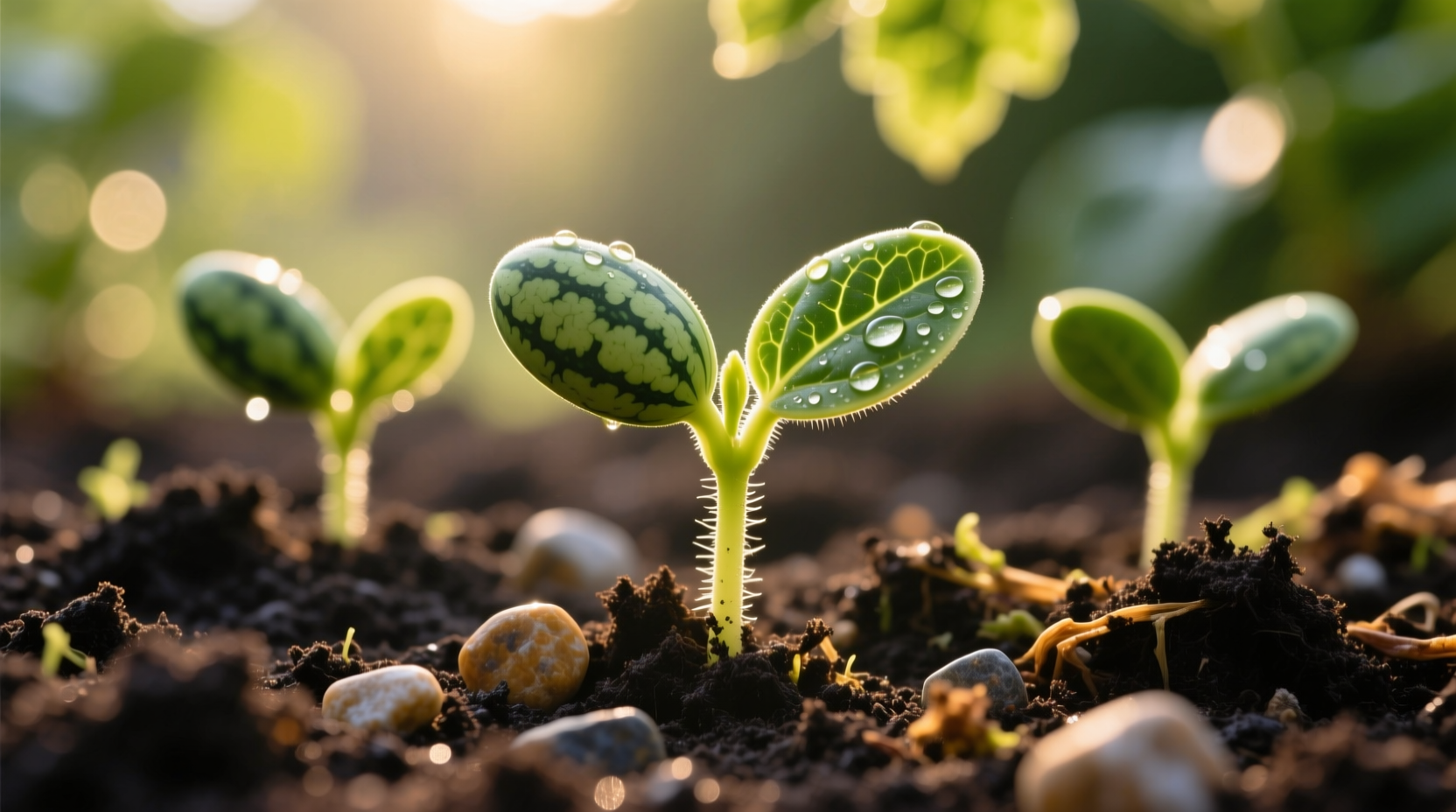
Pro tip: Place black plastic mulch over planting areas 1-2 weeks before planting to warm the soil. This technique significantly improves germination rates for how to grow watermelon from seed outdoors in cooler climates.
Essential Watermelon Care Practices
Consistent watering is crucial for sweet watermelon development. Provide 1-2 inches of water weekly, increasing during fruit set. Water at the base to prevent fungal diseases. Reduce watering 7-10 days before harvest to concentrate sugars for sweeter melons.
Fertilize with balanced 10-10-10 formula when vines start running, then switch to low-nitrogen, high-potassium fertilizer as fruits develop. Avoid over-fertilizing with nitrogen, which promotes leafy growth at the expense of fruit production.
Pollination and Fruit Development
Watermelon plants produce both male and female flowers. Female flowers have a small swelling at the base (future fruit). For successful watermelon seed to harvest process, ensure proper pollination:
- Attract pollinators by planting companion flowers like marigolds
- Hand-pollinate using a small brush if bee activity is low
- Morning is the best time for pollination when flowers are fully open
Once fruits reach softball size, place them on straw or boards to prevent rot and protect from pests. This simple technique significantly improves your how to grow watermelon from seed success rate.
Harvesting Perfectly Ripe Watermelons
Knowing when to harvest watermelon ensures peak sweetness. Check these indicators:
- Field spot: Turns from white to buttery yellow
- Rind texture: Becomes dull rather than shiny
- Thump test: Produces a deep, hollow sound
- Tendril condition: Dries and turns brown near the stem
According to Cornell University's agricultural extension, watermelons don't continue ripening after harvest. Timing your watermelon harvesting process correctly is essential for optimal flavor development.
Troubleshooting Common Watermelon Problems
Address these frequent challenges when growing watermelon from seed:
Yellowing Leaves
Often indicates nitrogen deficiency. Apply balanced fertilizer and check soil pH. Yellow leaves with green veins suggest iron deficiency, common in alkaline soils.
Poor Fruit Set
Lack of pollination is the usual culprit. Increase bee activity by planting flowering herbs nearby or hand-pollinate during morning hours.
Fruit Cracking
Caused by irregular watering. Maintain consistent moisture levels, especially during fruit development. Reduce watering gradually as harvest approaches.
Pests and Diseases
Cucumber beetles and aphids can damage vines. Use row covers early in the season and introduce beneficial insects like ladybugs. For fungal issues, avoid overhead watering and ensure good air circulation.




 浙公网安备
33010002000092号
浙公网安备
33010002000092号 浙B2-20120091-4