
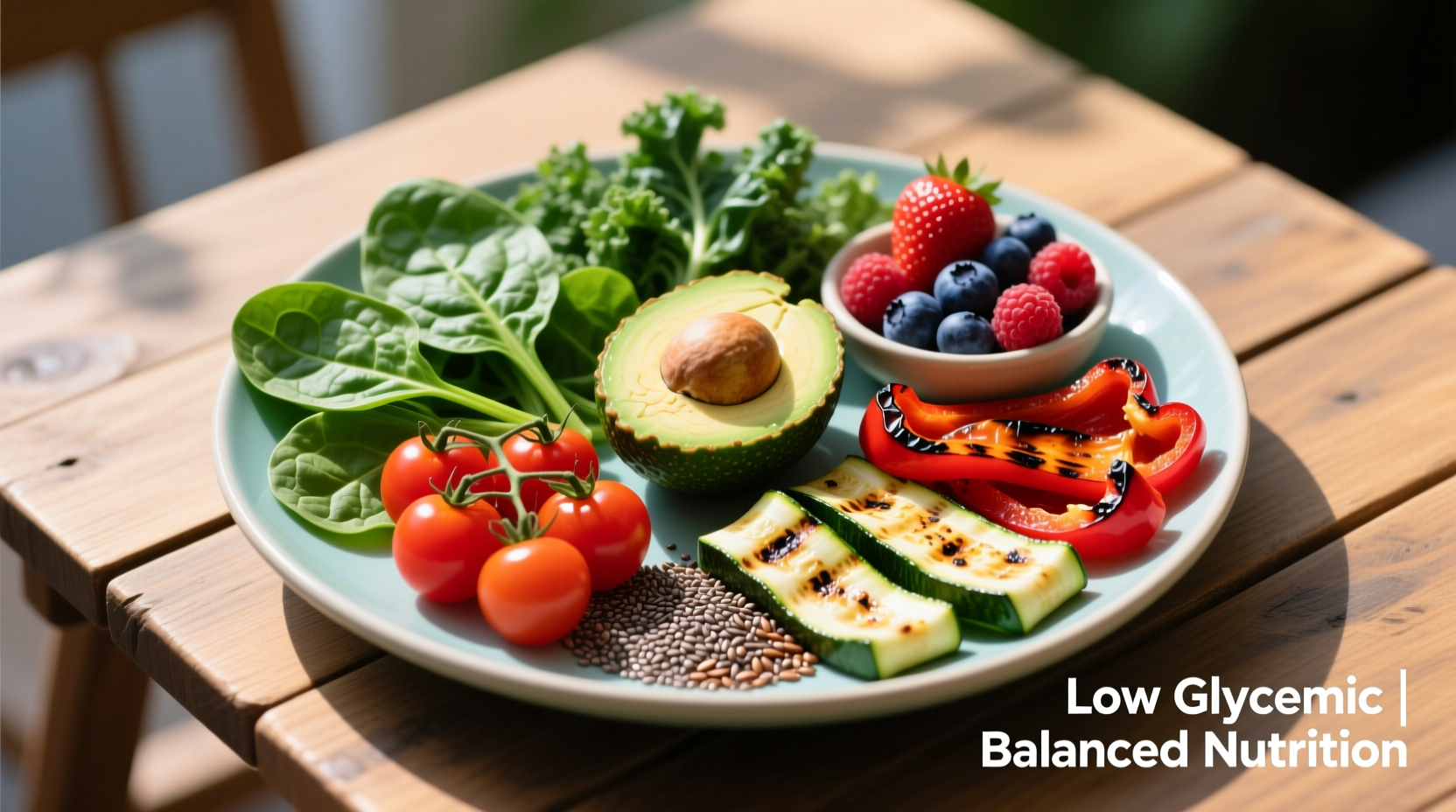
Research shows specific foods can effectively lower blood sugar levels: non-starchy vegetables (like broccoli and spinach), high-fiber foods (beans, lentils, chia seeds), healthy fats (avocado, nuts), low-glycemic fruits (berries, apples), and lean proteins (salmon, chicken). These foods work by slowing glucose absorption, improving insulin sensitivity, and providing sustained energy without blood sugar spikes.
Managing blood sugar through diet isn't just for people with diabetes—it's crucial for overall metabolic health. When you make strategic food choices, you can stabilize energy levels, reduce cravings, and protect against long-term health complications. The right dietary approach works with your body's natural processes rather than against them.
Understanding How Food Affects Blood Sugar
Your body converts carbohydrates into glucose, which enters your bloodstream. Insulin then helps transport this glucose into cells for energy. When this process becomes inefficient—either from insulin resistance or insufficient insulin production—blood sugar levels rise. The foods you eat directly influence how quickly and dramatically your blood sugar changes after meals.
Your Immediate Blood Sugar Action Plan
Start implementing these evidence-based strategies today for measurable results:
Non-Starchy Vegetables: Your Blood Sugar Foundation
Filling half your plate with non-starchy vegetables creates a powerful buffer against blood sugar spikes. These foods provide volume and nutrients with minimal carbohydrate impact:
- Leafy greens (spinach, kale, Swiss chard)
- Cruciferous vegetables (broccoli, cauliflower, Brussels sprouts)
- Colorful options (bell peppers, tomatoes, mushrooms)
According to research from the National Institute of Diabetes and Digestive and Kidney Diseases, increasing vegetable intake by just one serving per day correlates with a 9% reduced risk of developing type 2 diabetes.
| Food | Glycemic Index | Fiber (per serving) | Blood Sugar Impact |
|---|---|---|---|
| Broccoli | 15 | 2.4g | Negligible |
| Black beans | 30 | 7.5g | Low |
| Blueberries | 53 | 3.6g | Moderate |
| White rice | 73 | 0.6g | High |
Fiber-Rich Foods: Nature's Blood Sugar Regulator
Soluble fiber forms a gel-like substance that slows digestion and glucose absorption. Aim for 25-30 grams of fiber daily from whole food sources:
- Legumes: Lentils, chickpeas, black beans (8-10g fiber per ½ cup)
- Chia seeds: 10g fiber per ounce—add to smoothies or yogurt
- Psyllium husk: 7g fiber per tablespoon—dissolves in water
A CDC analysis of multiple studies found that increasing dietary fiber by 8 grams per 1,000 calories consumed reduced type 2 diabetes risk by 15%.
Smart Carbohydrate Pairing Strategy
You don't need to eliminate carbs—just pair them strategically. Combining carbohydrates with protein, healthy fats, and fiber creates balanced meals that prevent blood sugar spikes:
- Apple slices with almond butter
- Quinoa salad with grilled chicken and avocado
- Oatmeal topped with walnuts and cinnamon
This approach leverages the "second meal effect"—where the fiber and fat from one meal positively influences blood sugar response to the next meal.
Time-Sensitive Blood Sugar Management
Dietary changes can produce measurable improvements in blood sugar levels faster than many people realize:
- Within 24 hours: Strategic food choices can normalize post-meal blood sugar spikes
- 1-2 weeks: Fasting blood glucose levels begin showing improvement
- 4-8 weeks: HbA1c (long-term blood sugar marker) starts decreasing significantly
A American Diabetes Association clinical trial demonstrated that participants following a Mediterranean-style diet rich in the foods mentioned here reduced their HbA1c by 0.5-0.8% within 12 weeks—comparable to some diabetes medications.
Practical Implementation: Your 7-Day Starter Plan
Transition smoothly to blood sugar-friendly eating with this realistic approach:
Day 1-2: Foundation Building
- Replace one refined grain meal with a high-fiber alternative (quinoa instead of white rice)
- Add 1 cup of non-starchy vegetables to dinner
Day 3-4: Strategic Pairing
- Pair your morning carbohydrate with protein (Greek yogurt with berries instead of sugary cereal)
- Add healthy fats to lunch (avocado in your salad)
Day 5-7: Consistent Implementation
- Create balanced plates at every meal using the ½ vegetable, ¼ protein, ¼ complex carbohydrate formula
- Test blood sugar before and 2 hours after meals to see personalized responses
Important Context Boundaries
While dietary changes significantly impact blood sugar, certain situations require medical intervention:
- Fasting blood sugar consistently above 126 mg/dL
- HbA1c levels exceeding 6.5%
- Diagnosed type 1 diabetes
- Advanced type 2 diabetes with complications
Always consult your healthcare provider before making significant dietary changes, especially if you're taking diabetes medications that could interact with your food choices.
Monitoring Your Progress
Track these key indicators to measure your dietary approach's effectiveness:
- Post-meal blood sugar readings (aim for less than 180 mg/dL one hour after eating)
- Energy levels throughout the day (reduced crashes indicate better regulation)
- Hunger patterns (stable blood sugar reduces cravings)
- Waist circumference (visceral fat reduction correlates with improved insulin sensitivity)
Remember that individual responses vary—what works perfectly for one person might need adjustment for another. Continuous monitoring helps you personalize your approach.
Long-Term Blood Sugar Maintenance
Sustainable blood sugar management requires consistent habits rather than short-term fixes:
- Meal timing consistency (eating at regular intervals)
- Stress management techniques (chronic stress elevates blood sugar)
- Adequate sleep (7-9 hours nightly—sleep deprivation increases insulin resistance)
- Regular physical activity (even 15-minute walks after meals significantly reduces post-meal spikes)
These lifestyle factors work synergistically with dietary choices for optimal blood sugar control.




 浙公网安备
33010002000092号
浙公网安备
33010002000092号 浙B2-20120091-4