
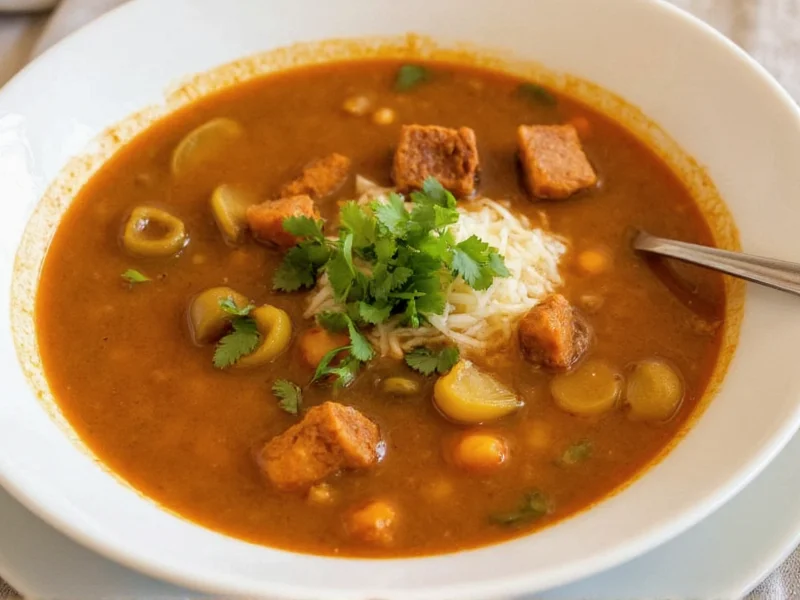
The Cultural Heart of Filipino Soup Traditions
Filipino soups aren't just meals—they're cultural touchstones served at family gatherings, celebrations, and as comfort food during rainy days. Unlike Western soup traditions, Filipino versions prioritize complex flavor balances between sour, sweet, and umami elements. Each region contributes unique variations reflecting local ingredients and Spanish, Chinese, and Malay influences that shaped the archipelago's culinary identity.
Essential Ingredients in Authentic Filipino Soup Recipes
Mastering Filipino soups requires understanding foundational ingredients that create their distinctive profiles. While Western soups often rely on cream or heavy stocks, Filipino versions build depth through natural souring agents and fermented seasonings.
| Ingredient | Traditional Use | Substitutes |
|---|---|---|
| Tamarind (sampaloc) | Primary souring agent in Sinigang | Calamansi juice + vinegar |
| Calamansi | Citrus finish for seafood soups | Lime + orange juice mix |
| Bagoong | Fermented shrimp paste for umami | Fish sauce + tomato paste |
| Malunggay | Nutrient-rich leafy green | Spinach + parsley blend |
Three Authentic Filipino Soup Recipes You Should Master
Sinigang na Baboy (Traditional Pork Sinigang)
This iconic sour soup represents the soul of Filipino comfort food. The tamarind broth balances perfectly with tender pork and seasonal vegetables.
Ingredients for authentic filipino soup recipes
- 500g pork belly, cubed
- 200g tamarind paste or 6 dried tamarind pods
- 1 cup radish, sliced
- 1 cup kangkong (water spinach)
- 1 tomato, quartered
- 4 cloves garlic, minced
- Fish sauce to taste
- Water
Step-by-step filipino beef soup recipes method
- Boil pork with garlic until tender (30-40 minutes)
- Add tamarind and tomatoes, simmer 5 minutes
- Stir in radish and cook until slightly tender
- Add kangkong and simmer 2 more minutes
- Season with fish sauce before serving
Pro tip: For the best traditional filipino chicken soup variation, replace pork with chicken thighs and add more ginger. The sour broth should make your lips pucker slightly—this indicates perfect balance in authentic Filipino soup recipes.
Nilagang Baka (Filipino Beef Soup)
This straightforward yet deeply flavorful soup showcases how Filipino cuisine transforms simple ingredients into extraordinary comfort food. Unlike Western beef soups, Nilaga features minimal seasoning to highlight the meat's natural flavors.
Key components for easy filipino vegetable soup
- 1kg beef shank or ribs
- 2 potatoes, cubed
- 1 corn on the cob, sliced
- 1 onion, whole
- 3 pieces pechay (bok choy)
- Beef bouillon cube (optional)
- Scallions for garnish
Preparation for healthy filipino soup recipes
Boil beef with onion until tender (1.5-2 hours). Skim foam regularly for clear broth. Add potatoes and corn, simmer until vegetables soften. Season with minimal salt and pepper. The secret to perfect Filipino soup recipes for beginners is patience—slow cooking develops the broth's natural sweetness without needing artificial enhancers.
Laing (Taro Leaf Soup in Coconut Milk)
Hailing from the Bicol region, this creamy, spicy soup demonstrates how Filipino cuisine incorporates tropical ingredients. The taro leaves provide unique texture while coconut milk creates luxurious mouthfeel.
Ingredients for filipino seafood soup recipes variation
- 500g taro leaves, chopped
- 2 cups coconut milk
- 5 dried chili peppers
- 1 onion, minced
- 3 cloves garlic
- 150g shrimp paste (bagoong)
- Lemongrass stalk
Cooking method for classic filipino soup dishes
Sauté garlic and onion, add coconut milk and chili peppers. Simmer 10 minutes, then add taro leaves and shrimp paste. Cook until leaves soften but retain vibrant green color. For vegetarian filipino soup recipes, omit shrimp paste and use mushroom broth instead.
Mastering Filipino Soup Techniques
Creating authentic Filipino soup recipes requires understanding these essential techniques:
The Souring Process
Filipino soups achieve their signature tang through natural souring agents added at precise moments. Tamarind should be introduced early for deep flavor, while calamansi juice gets added at the end to preserve its bright citrus notes. Never use lemon as a substitute—calamansi's unique sweet-tart profile is irreplaceable in traditional filipino soup recipes.
Balancing Flavors
The magic of Filipino soups lies in the harmony between sour, sweet, and salty elements. Start with your souring agent, then gradually add fish sauce until the broth makes your lips tingle slightly. Finally, a pinch of sugar can round out harsh acidity in easy filipino vegetable soup preparations.
Vegetable Timing
Add hardy vegetables like radish early, but delicate greens like kangkong in the final minutes. This preserves both texture and nutritional value in healthy filipino soup recipes. Traditional Filipino cooking respects each ingredient's optimal cooking time.
Adapting Filipino Soup Recipes for Modern Kitchens
While staying true to authentic flavors, these adjustments make Filipino soup recipes accessible for contemporary cooks:
- Time-saving tip: Use tamarind concentrate instead of pods for quicker preparation of traditional filipino chicken soup
- Dietary adaptation: For gluten-free filipino soup recipes, ensure fish sauce is pure (some brands contain wheat)
- Vegetarian version: Substitute meat with mushrooms and use vegetable broth in authentic filipino soup recipes
- Storage secret: Filipino soups taste better the next day as flavors meld—ideal for meal prep
Why Filipino Soups Deserve a Place in Your Culinary Repertoire
Filipino soups offer something unique in the global culinary landscape—the perfect balance of complex flavors in seemingly simple preparations. Unlike many Asian soups that rely on spice or richness, Filipino versions showcase how natural souring agents create refreshing depth. These soups satisfy both comfort food cravings and sophisticated palates, making them versatile additions to any home cook's collection of classic filipino soup dishes.
Frequently Asked Questions
What makes Filipino soups different from other Asian soups?
Filipino soups uniquely emphasize sour flavor profiles using natural ingredients like tamarind, calamansi, and green mangoes rather than vinegar or citrus. Unlike Thai or Vietnamese soups that feature prominent spice or herb elements, Filipino versions focus on broth balance with minimal seasoning, allowing ingredients to shine through subtle sweet-sour-umami harmony.
Can I make authentic Filipino soup recipes without specialty ingredients?
Yes, you can adapt authentic Filipino soup recipes using accessible substitutes. Replace calamansi with lime-orange juice mix, use spinach instead of malunggay, and substitute tamarind paste with vinegar and a touch of sugar. While not identical to traditional versions, these adaptations maintain the essential flavor balance that defines Filipino cuisine.
Why is my Sinigang too sour?
Sinigang becomes overly sour when tamarind is added too early or in excessive amounts. The souring agent should create a pleasant lip-puckering sensation, not overwhelm other flavors. To fix an overly sour Sinigang, add a pinch of sugar, more vegetables, or dilute with additional broth. Remember that sourness mellows slightly as the soup sits, so wait 10 minutes before adjusting further.
Are Filipino soups typically spicy?
Most traditional Filipino soups aren't inherently spicy. Heat comes from optional additions like siling labuyo (Filipino chili peppers) added at the table. Regional variations exist—Bicol region soups feature more chili—but the national standard emphasizes flavor balance over heat. You control the spice level in authentic Filipino soup recipes based on personal preference.




 浙公网安备
33010002000092号
浙公网安备
33010002000092号 浙B2-20120091-4