
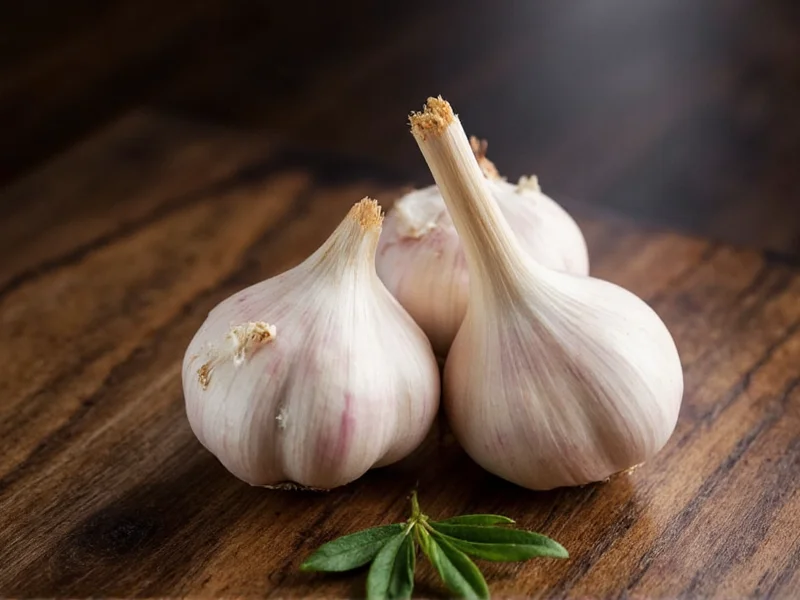
The Science Behind Garlic's Distinctive Scent
When you cut or crush a garlic clove, you rupture its cell structure, triggering a chemical reaction between the enzyme alliinase and the compound alliin. This reaction produces allicin, the primary compound responsible for garlic's characteristic aroma. Allicin is unstable and quickly breaks down into various sulfur compounds including diallyl disulfide, diallyl trisulfide, and ajoene, each contributing different aromatic notes to garlic's complex scent profile.
Raw garlic delivers the most potent aroma due to maximum allicin production. As food scientist Dr. Emma Rodriguez explains, "The moment garlic is damaged, the enzymatic reaction begins immediately. Within 10-15 seconds, you've already developed significant aroma compounds." This explains why freshly minced garlic smells much stronger than whole cloves.
How Preparation Methods Alter Garlic Aroma
Different preparation techniques dramatically affect garlic's aromatic properties. Understanding these variations helps chefs control flavor intensity in their dishes:
| Preparation Method | Aroma Characteristics | Best Culinary Uses |
|---|---|---|
| Raw, freshly crushed | Sharp, pungent, spicy | Salsas, salad dressings, aioli |
| Minced and rested 10 min | More complex, slightly milder | Pastes, marinades, sauces |
| Gentle sautéing | Warm, nutty, sweetened | Base for soups, stews, sauces |
| Roasted whole | Mellow, caramelized, subtle | Spread on bread, side dishes |
| Fried at high heat | Bitter, burnt notes | Generally undesirable outcome |
Allowing minced garlic to rest for 10 minutes before cooking maximizes allicin production, creating a more robust flavor. Conversely, adding garlic to cold oil and slowly heating it produces a mellower aroma as the enzymatic reaction occurs more gradually.
Garlic Varieties and Their Aromatic Profiles
Not all garlic smells the same. Different varieties offer distinct aromatic characteristics:
- Silverskin garlic - Most common supermarket variety with strong, classic garlic aroma
- Rocambole garlic - Complex aroma with nutty undertones, considered by chefs to have the best flavor balance
- Porcelain garlic - Intensely aromatic with a hot initial bite that mellows during cooking
- Artichoke garlic - Milder aroma, good for those who prefer less pungency
- Black garlic - Fermented garlic with sweet, umami-rich aroma resembling tamarind or balsamic
Seasonality also affects garlic aroma. Freshly harvested "wet" garlic (available in late spring/early summer) has a milder, grassier scent compared to cured garlic stored through winter, which develops a more concentrated aroma.
Why Garlic Aroma Persists: Breath and Skin
The lingering nature of garlic aroma stems from volatile sulfur compounds that enter your bloodstream during digestion. These compounds are then expelled through your lungs (causing garlic breath) and pores (creating noticeable skin odor). Allyl methyl sulfide (AMS) is particularly persistent, remaining in the body for up to 48 hours after consumption.
Interestingly, the same compounds that create garlic's distinctive smell also provide many of its health benefits. Research published in the Journal of Agricultural and Food Chemistry confirms that allicin and its breakdown products have antioxidant, antimicrobial, and cardiovascular benefits.
Controlling Garlic Aroma in Cooking
Professional chefs use several techniques to manage garlic aroma intensity:
- Temperature control - Cooking garlic at lower temperatures (below 140°F/60°C) preserves more delicate aromatic compounds
- Timing addition - Adding garlic later in the cooking process maintains brighter, sharper notes
- Size of cut - Larger pieces create less surface area, producing milder aroma
- Acid balancing - Lemon juice or vinegar can help moderate intense garlic notes
- Combination with fats - Cooking garlic in oil or butter distributes aroma compounds more evenly
To reduce garlic breath, consume foods high in polyphenols like apples, lettuce, or mint immediately after eating garlic. These help neutralize the sulfur compounds through enzymatic action. For hands, rubbing them on stainless steel under running water effectively removes garlic odor by binding to the sulfur molecules.
Practical Applications for Home Cooks
Understanding garlic aroma science helps you make better culinary decisions. For a subtle background note, add whole cloves early in cooking. For pronounced garlic flavor, mince finely and add near the end. When making garlic-infused oils, heat the oil first before adding garlic to prevent bitterness while still extracting aroma compounds.
Remember that storage conditions affect garlic aroma. Garlic stored in cool, dark, dry conditions maintains better aromatic properties than refrigerated garlic, which can develop unwanted sprouts and moisture that alter its chemical composition.




 浙公网安备
33010002000092号
浙公网安备
33010002000092号 浙B2-20120091-4