
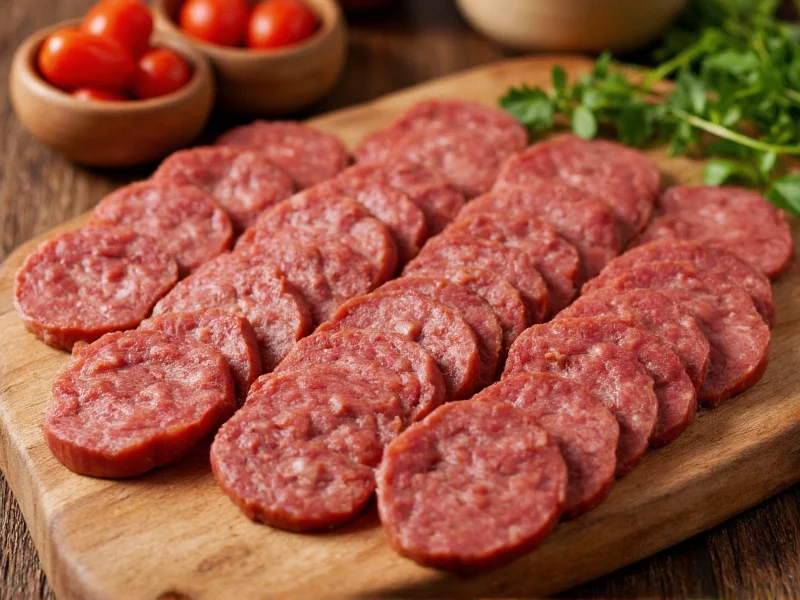
If you're looking for a reliable beef sausage meat recipe, here's what works best: Combine 2 lbs (900g) of coarsely ground beef (80% lean, 20% fat), 1 tbsp kosher salt, 1 tsp black pepper, 1 tsp garlic powder, 1 tsp paprika, 1/2 tsp red pepper flakes, and 1/4 cup ice-cold water. Mix gently until emulsified, stuff into natural casings, and twist into 6-inch links. This ratio delivers perfectly seasoned, juicy homemade beef sausages every time.
The Ultimate Guide to Crafting Perfect Homemade Beef Sausages
Creating authentic beef sausages at home gives you complete control over ingredients and flavor profiles. Unlike store-bought varieties that often contain fillers and preservatives, homemade beef sausage meat recipe allows for customization while ensuring premium quality. The key to exceptional sausages lies in proper meat selection, seasoning balance, and technique—factors that transform simple ingredients into culinary masterpieces.
Why Make Beef Sausages From Scratch?
Commercial sausages frequently include unwanted additives like sodium nitrite, dextrose, and textured vegetable protein. When you prepare a homemade beef sausage recipe, you determine exactly what goes into your food. This approach guarantees:
- Pure meat content without mysterious fillers
- Customizable fat ratios for optimal juiciness
- Control over sodium levels and seasoning intensity
- Fresher product with no chemical preservatives
- Ability to create unique flavor combinations
Essential Ingredients for Authentic Beef Sausage
The foundation of any successful beef sausage meat recipe starts with quality components. Here's what you need:
| Ingredient | Amount (per 2 lbs meat) | Function |
|---|---|---|
| Beef chuck or brisket | 2 lbs (900g) | Ideal 80/20 lean-to-fat ratio for moisture |
| Kosher salt | 1 tbsp | Essential for protein extraction and flavor |
| Black pepper | 1 tsp freshly ground | Classic sausage seasoning base |
| Garlic powder | 1 tsp | Even flavor distribution (vs fresh garlic) |
| Paprika | 1 tsp | Color and subtle sweetness |
| Ice-cold water | 1/4 cup | Maintains temperature during mixing |
Equipment You'll Need
While you can make basic sausages with minimal tools, these items significantly improve results for your beef sausage recipe:
- Meat grinder with sausage stuffing attachment
- Natural hog casings (soaked in water for 30 minutes)
- Stainless steel mixing bowl (chilled)
- Kitchen scale for precise measurements
- Instant-read thermometer
- Pricking needle for air bubbles
Step-by-Step Beef Sausage Preparation
1. Prepare Your Ingredients
Cut beef into 1-inch cubes, removing any sinew but keeping fat intact. Chill all components—including your grinder parts—for at least 2 hours. This temperature control prevents fat smearing during grinding, which is crucial for proper texture in your homemade beef sausage recipe.
2. First Grind
Pass chilled meat through the coarse grinding plate (8mm). Work quickly to maintain cold temperature. Never force meat through the grinder—let the machine do the work to avoid overheating.
3. Mix Seasonings Thoroughly
In a separate bowl, combine salt, spices, and ice water. Add this mixture to your ground meat. Using clean hands, mix vigorously for 2-3 minutes until the mixture becomes sticky and emulsified. This protein extraction creates the characteristic sausage bind.
4. Second Grind (Optional)
For finer texture, pass the mixture through a medium plate (4.5mm). Skip this step for chunkier, more rustic beef sausages. Remember that over-grinding creates mushy texture.
5. Stuffing Technique
Slide prepared casings onto the stuffing tube, leaving a 4-inch tail. Fill the grinder hopper with meat mixture and begin feeding slowly. Maintain steady pressure while guiding the casing with your other hand. Avoid overfilling—casings should be snug but not tight.
6. Forming Links
Twist sausages into 6-inch links using a consistent motion. Alternate directions for each twist to prevent unraveling. Prick any visible air bubbles with a needle immediately after stuffing.
Cooking Methods for Homemade Beef Sausages
Your beef sausage meat recipe can be prepared using several techniques:
- Poaching then searing: Simmer in 160°F (71°C) water for 10-12 minutes, then finish in a hot skillet
- Direct grilling: Cook over medium heat (350°F/177°C), turning frequently until internal temperature reaches 160°F (71°C)
- Pan-frying: Brown in cast iron with 1 tbsp oil over medium heat for 12-15 minutes
- Baking: Roast at 375°F (190°C) for 20-25 minutes on a wire rack
Always use a meat thermometer to verify doneness—never rely solely on appearance. Properly cooked beef sausages should register 160°F (71°C) internally.
Storage and Freezing Guidelines
Uncooked sausage meat maintains quality for 2 days in the refrigerator when stored in an airtight container. For longer preservation:
- Freeze uncooked links wrapped individually in parchment paper, then placed in freezer bags
- Remove as much air as possible from packaging
- Label with date and contents
- Consume within 3 months for best quality
Thaw frozen sausages overnight in the refrigerator—never at room temperature. Cooked sausages keep for 3-4 days refrigerated or 2 months frozen.
Troubleshooting Common Issues
Even experienced sausage makers encounter problems. Here's how to fix frequent issues with your beef sausage recipe:
- Crumbly texture: Insufficient fat content or inadequate mixing. Ensure proper 80/20 ratio and mix until sticky.
- Watery sausages: Adding too much liquid or using warm ingredients. Keep everything cold and measure liquids precisely.
- Casings breaking: Overfilling or inconsistent twisting. Fill casings 75% capacity and twist gently.
- Bland flavor: Under-seasoning or improper salt measurement. Use weight measurements for accuracy.
- Gray color: Overcooking or insufficient paprika. Monitor internal temperature carefully.
Flavor Variations to Try
Once you've mastered the basic beef sausage meat recipe, experiment with these authentic variations:
- Italian-style: Add 1 tbsp fennel seeds, 1 tsp dried oregano, and 1/2 tsp crushed red pepper
- Smoked paprika: Replace regular paprika with smoked variety and add 1/2 tsp liquid smoke
- Beer-infused: Substitute ice water with chilled lager beer for depth of flavor
- Pepper jack: Mix in 1/2 cup shredded pepper jack cheese during final mixing
- Herb garden: Incorporate 2 tbsp finely chopped fresh rosemary, thyme, and sage
Expert Tips for Sausage Success
Professional butchers follow these practices when creating premium beef sausages:
- Always chill equipment before starting—warm tools melt fat
- Use a scale for precise measurements (volume measurements vary)
- Mix seasonings into meat in stages for even distribution
- Test cook a small patty before stuffing to adjust seasoning
- Never use pre-ground meat—it lacks proper texture for sausages
- Keep hands and tools cold during preparation
Frequently Asked Questions
Can I make beef sausages without casings?
Yes, you can create sausage patties or bulk sausage without casings. Simply form the mixture into 1/2-inch thick patties or leave as loose meat for crumbled applications. The texture will differ slightly from traditional link sausages, but flavor remains excellent.
What's the ideal fat content for beef sausage meat?
The optimal fat ratio for beef sausage is 80% lean to 20% fat. Lower fat content produces dry, crumbly sausages, while higher fat can make them greasy. Chuck roast typically provides this perfect balance without needing additional fat.
How long should I let the sausage mixture rest before stuffing?
Allow the seasoned meat mixture to rest in the refrigerator for at least 12 hours (up to 24 hours) before stuffing. This resting period lets flavors meld and improves texture through protein extraction. Never skip this crucial step in your homemade beef sausage recipe.
Why does my sausage fall apart when cooking?
Sausages falling apart typically indicates insufficient protein extraction during mixing. Ensure you mix the seasoned meat vigorously for 2-3 minutes until sticky. Proper salt content (1 tbsp per 2 lbs meat) is essential for creating the protein matrix that holds sausages together during cooking.
Can I use ground beef from the supermarket for sausages?
While possible, pre-ground supermarket beef isn't ideal for homemade sausages. It's often too warm, has inconsistent fat distribution, and may have been previously frozen. For best results in your beef sausage meat recipe, purchase whole cuts and grind them yourself while keeping everything cold.




 浙公网安备
33010002000092号
浙公网安备
33010002000092号 浙B2-20120091-4