
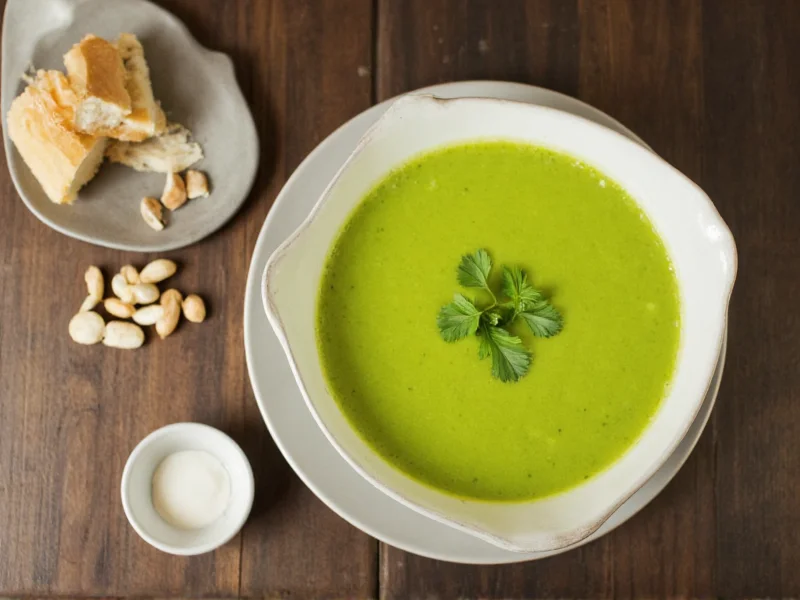
Celery soup represents one of the most elegant yet straightforward culinary creations that transforms a humble vegetable into a sophisticated dish. Unlike many vegetable soups that require extensive preparation, celery soup showcases how minimal ingredients can yield maximum flavor when handled with care. The natural umami and subtle herbal notes of celery create a base that works beautifully as both a light starter and a satisfying main course when properly prepared.
The Essential Components of Perfect Celery Soup
Creating exceptional celery soup begins with understanding its fundamental components. The magic happens when you respect celery's delicate flavor profile rather than overwhelming it. Professional chefs emphasize using the entire celery plant—stalks, leaves, and even the base—for maximum flavor extraction. The leaves, often discarded, contain concentrated essential oils that add complexity to your soup.
When selecting ingredients for how to make celery soup from scratch, prioritize fresh, crisp celery with vibrant green leaves. Older celery develops stringy fibers and loses its aromatic compounds. Pair your celery with yellow onions rather than white for a sweeter base, and use unsalted butter instead of oil to allow precise seasoning control. For authentic creamy celery soup recipe variations, consider adding just a touch of potato for natural thickening rather than heavy cream, preserving the soup's delicate character.
| Ingredient | Quality Indicator | Preparation Tip |
|---|---|---|
| Celery stalks | Vibrant green, crisp snap when bent | Chop finely for even cooking |
| Celery leaves | Fresh, not wilted or yellowed | Add toward end of cooking |
| Yellow onion | Firm, no soft spots | Sweat slowly until translucent |
| Garlic | Firm cloves, no sprouting | Add after onions to prevent burning |
Step-by-Step Preparation Method
The secret to exceptional celery soup lies in the cooking technique rather than complex ingredients. Begin by sweating onions in butter over medium-low heat for 10-15 minutes until completely soft but not colored—this builds flavor without bitterness. Add finely chopped celery and a pinch of salt, continuing to cook for another 15 minutes until the celery becomes translucent. The salt draws out moisture while the extended cooking time develops natural sweetness.
For a clear celery soup with potatoes variation that maintains the vegetable's delicate flavor, add one small peeled potato along with your vegetable stock. The potato provides natural body without masking celery's distinctive taste. Simmer gently for 25-30 minutes until all vegetables are completely tender. When using the immersion blender, pulse carefully to maintain some texture rather than creating a completely smooth puree.
Health Benefits and Nutritional Profile
Beyond its elegant flavor, celery soup offers impressive healthy celery soup benefits that make it valuable for regular consumption. One cup contains only about 50 calories while delivering 20% of your daily vitamin K requirement, essential for bone health and blood clotting. The soup's high water content (celery is 95% water) promotes hydration, while apigenin and luteolin—natural compounds in celery—demonstrate anti-inflammatory properties in preliminary research.
Unlike many creamy soups, a well-prepared celery soup remains light while providing soluble fiber that supports digestive health. The natural sodium in celery (about 80mg per cup) makes it suitable for those monitoring sodium intake, especially when prepared without added salt. For maximum vegetarian celery soup variation nutrition, include the often-discarded celery leaves which contain higher concentrations of vitamins A and C than the stalks.
Common Preparation Mistakes to Avoid
Many home cooks unintentionally compromise their celery soup through several common errors. The most frequent mistake involves cooking celery at too high a temperature, which burns its delicate sugars and creates bitter compounds. Another issue is adding acidic ingredients like tomatoes or lemon juice too early, which prevents the celery from softening properly.
Over-puréeing represents another frequent error that transforms a textured soup into an unappealing gelatinous consistency. When creating a creamy version, many add dairy too early, causing it to curdle when exposed to the soup's natural acidity. Instead, temper cream by gradually adding small amounts of hot soup before incorporating it fully. For optimal results in any celery soup preparation guide, remember that celery's flavor develops gradually—rushing the process sacrifices complexity.
Serving Suggestions and Variations
Celery soup's versatility shines through in its serving options. For an elegant presentation, garnish with reserved celery leaves, a drizzle of high-quality olive oil, and freshly cracked pepper. Pair with crusty bread for a complete meal, or serve as a first course before roasted poultry or fish. The soup works beautifully chilled during warmer months as a refreshing alternative to gazpacho.
For those exploring celery soup variations for different diets, consider these adaptations: add coconut milk for a dairy-free creamy version, incorporate white beans for added protein, or include diced apples for a sweet-savory twist. A vegan preparation using vegetable stock maintains the soup's integrity while accommodating dietary restrictions. For a heartier celery and potato soup recipe, increase the potato ratio while reducing liquid slightly.
Storage and Reheating Techniques
Proper storage ensures your celery soup maintains quality between servings. Cool the soup completely before transferring to airtight containers, leaving one inch of headspace for expansion if freezing. Refrigerated soup stays fresh for 3-4 days, while frozen portions maintain quality for 2-3 months.
When reheating, do so gently over medium-low heat to prevent separation, especially for creamy versions. If the soup has thickened during storage, gradually add small amounts of water or additional stock while reheating. Never boil reheated celery soup, as this degrades both texture and flavor. For best results with celery soup meal prep, store components separately—keep pureed soup and garnishes in separate containers for assembly just before serving.
Frequently Asked Questions
What's the secret to preventing bitter celery soup?
The key to preventing bitterness is cooking celery over medium-low heat without browning. Celery contains natural sugars that caramelize quickly at high temperatures, creating bitter compounds. Sweat the celery gently for 15-20 minutes until completely tender but not colored, and avoid adding acidic ingredients too early in the cooking process.
Can I make celery soup without cream while maintaining richness?
Absolutely. For a naturally creamy texture without dairy, use one small peeled potato per four servings. The potato breaks down during simmering, creating body while preserving the delicate celery flavor. Alternatively, blend in a small amount of cooked white beans or cauliflower for added nutrition and creaminess without overpowering the primary ingredient.
How do I properly store celery soup for meal prep?
Cool the soup completely before transferring to airtight containers, leaving one inch of headspace if freezing. Refrigerated soup stays fresh for 3-4 days, while frozen portions maintain quality for 2-3 months. For best results, store pureed soup and garnishes separately, assembling just before serving to maintain texture and presentation.
Which parts of the celery plant should I use for soup?
Use the entire celery plant for maximum flavor. The stalks form the soup's base, while the often-discarded leaves contain concentrated essential oils that add complexity. Finely chop the lower, thicker stalks for even cooking, and add the leaves during the last 5 minutes of cooking to preserve their delicate flavor and vibrant color.




 浙公网安备
33010002000092号
浙公网安备
33010002000092号 浙B2-20120091-4