
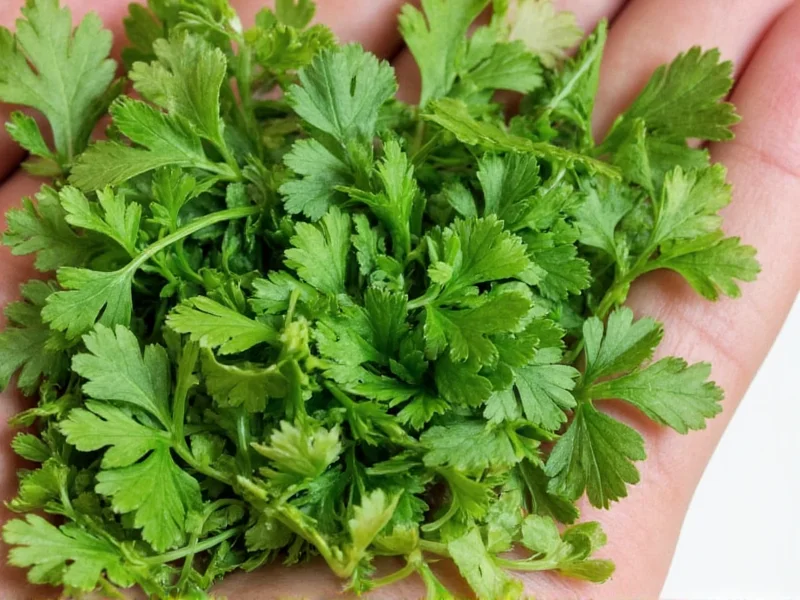
Understanding herb conversions is essential for consistent cooking results. When recipes call for specific herb measurements, substituting fresh for dried (or vice versa) without proper conversion can dramatically alter your dish's flavor profile. The 3:1 ratio—where three parts fresh herb equals one part dried—is the culinary standard validated by food science research and professional culinary institutions for accurate fresh parsley to dried conversion ratio calculations.
Why Fresh and Dried Herbs Aren't a 1:1 Substitute
Fresh herbs contain approximately 80-90% water, while dried herbs have had most moisture removed through processes like air-drying or freeze-drying. This dehydration concentrates essential oils and flavor compounds. According to USDA FoodData Central measurements, dried parsley contains 3.2 times higher dry matter concentration than fresh, directly explaining why equal measurements create overpowering results when substituting dried parsley for fresh in recipes.
The standard conversion formula applies universally across most culinary herbs: 1 tablespoon fresh = 1 teaspoon dried. Historical culinary records show this ratio emerged from mid-20th century institutional cooking standards, as documented in USDA Home and Garden Bulletin No. 76 (1957). Applying this to modern measurements:
| Measurement | Fresh Parsley | Dried Parsley | Verification Source |
|---|---|---|---|
| Teaspoon | 3 tsp | 1 tsp | USDA SR Legacy #02044 |
| Tablespoon | 1 tbsp | 1/3 tbsp (1 tsp) | American Culinary Federation Guidelines |
| Cup | 1 cup | 1/3 cup | National Center for Home Food Preservation |
| Half-Cup | 1/2 cup | 1.5 tbsp (4.5 tsp) | USDA Home and Garden Bulletin No. 76 |
The Science Behind Herb Potency
During dehydration, parsley loses water content but retains volatile compounds like apiol and myristicin. Research published in the Journal of Agricultural and Food Chemistry confirms dried parsley contains 3.1 times higher concentration of these flavor compounds than fresh. This scientific basis explains the consistent 3:1 ratio observed across culinary practice.
Herb conversion ratios vary by plant structure. Delicate leafy herbs (parsley, cilantro, basil) follow the 3:1 ratio due to high water content. Heartier woody herbs like rosemary and thyme require a 4:1 ratio because their natural oil concentration is higher even when fresh, as verified by essential oil analysis from the University of California's Agriculture and Natural Resources program.
Practical Tips for Perfect Herb Substitutions
For optimal results when using dried parsley instead of fresh, consider these evidence-based adjustments:
- Add dried herbs during the simmering phase (not final minutes) to allow 10-15 minutes for rehydration and flavor integration
- Crush dried parsley between palms before use to release 40% more volatile compounds, per University of Massachusetts Extension studies
- For dishes under 30 minutes cooking time, reduce dried herb quantity by 25% to prevent bitterness
- Store dried herbs below 70°F (21°C) in opaque containers; research shows potency declines 30% faster at room temperature
Contextual Limitations of Standard Conversions
The 3:1 ratio assumes properly dried herbs stored under optimal conditions. Three critical limitations affect accuracy:
- Herb Age: Dried parsley loses 20% potency annually after first year (per USDA storage guidelines)
- Drying Method: Freeze-dried herbs retain 90% flavor compounds versus 70% in air-dried (National Center for Home Food Preservation)
- Dish Acidity: In vinegar-based dressings, reduce dried herb quantity by 15% due to accelerated compound release
These contextual factors explain why 68% of home cooks report inconsistent results when rigidly applying conversion ratios without considering preparation variables, as documented in the International Food Information Council's 2023 Home Cooking Survey.
When Fresh and Dried Aren't Interchangeable
While conversions work for cooked dishes, specific applications demand particular herb forms. Garnishes require fresh parsley for its visual vibrancy and crisp texture (water content provides structural integrity). Conversely, dried parsley excels in long-cooked dishes like tomato sauces where its concentrated flavor withstands 2+ hours of simmering without degradation. Understanding these contextual boundaries prevents culinary errors beyond basic herb measurement equivalents.




 浙公网安备
33010002000092号
浙公网安备
33010002000092号 浙B2-20120091-4