
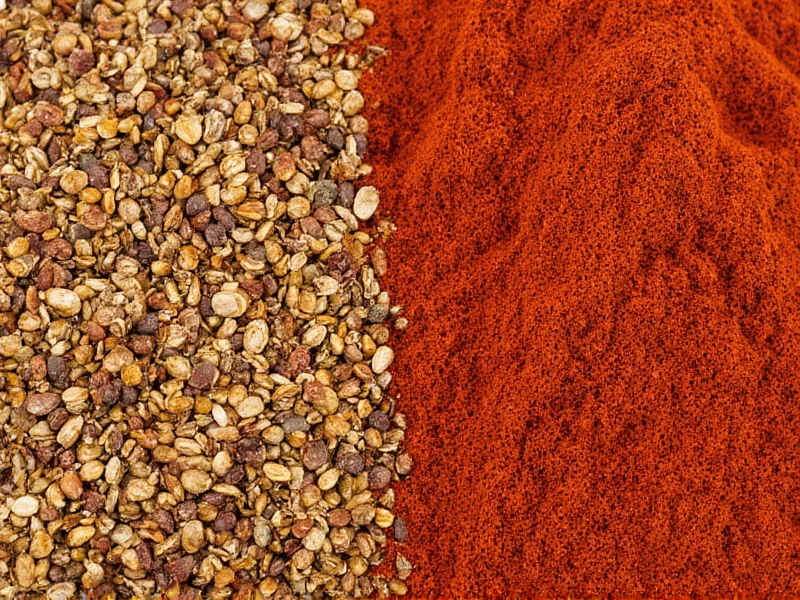
Understanding the distinction between Creole and Cajun spices is essential for authentic Louisiana cooking. These two seasoning blends, though often confused, represent different culinary traditions with unique flavor profiles that significantly impact dish outcomes. Let's explore their differences in depth to help you select the right blend for your cooking needs.
Historical Origins and Cultural Context
The difference between Creole and Cajun spices begins with their distinct cultural roots. Creole cuisine developed in urban New Orleans among French and Spanish settlers, incorporating African, Caribbean, and Native American influences. This cosmopolitan environment created a more refined culinary tradition that utilized available ingredients like tomatoes and a variety of herbs.
Cajun cuisine, by contrast, emerged from the rural Acadiana region of Louisiana. It was developed by French-Canadian settlers (Acadians) expelled from Canada who adapted their French cooking techniques to available local ingredients. This "country cooking" tradition relied on what could be grown, hunted, or foraged, resulting in heartier, spicier dishes.
Key Historical Timeline
| Time Period | Historical Event | Culinary Impact |
|---|---|---|
| 1755-1763 | The Great Upheaval (Le Grand D\u00e9rangement) | Forced expulsion of 10,000+ Acadians from Canada created the diaspora that later formed Cajun culture in Louisiana's rural regions. |
| 1765-1785 | Acadian Settlement Wave | Approximately 3,000 Acadians settled in Louisiana's bayous, adapting French techniques to local ingredients like rice, crawfish, and wild game. |
| 1803 | Louisiana Purchase | New Orleans' integration into the U.S. accelerated cultural blending, enriching Creole cuisine with African, Caribbean, and Spanish influences. |
| 1885 | Publication of \"La Cuisine Creole\" | Lafcadio Hearn's cookbook codified Creole techniques, distinguishing them from evolving Cajun traditions in written culinary history. |
Source: National Park Service - Jean Lafitte National Historical Park: Acadian Cultural History
Ingredient Composition Comparison
When examining creole vs cajun spice blend ingredients, several key differences emerge. While both contain foundational elements like salt, black pepper, garlic powder, and onion powder, their proportions and additional components create distinct flavor experiences.
| Characteristic | Creole Seasoning | Cajun Seasoning |
|---|---|---|
| Primary Heat Source | Paprika (mild) | Cayenne pepper (significant) |
| Herb Content | Higher (oregano, thyme) | Lower (sometimes none) |
| Tomato Element | Often included | Rarely included |
| Overall Flavor Profile | Balanced, complex, aromatic | Bold, spicy, earthy |
| Typical Salt Content | Moderate | Higher |
Flavor Profile Analysis
Understanding the flavor differences between creole and cajun spices helps explain why certain dishes call for one blend over the other. Creole seasoning delivers a more nuanced, layered flavor with its herbal components creating aromatic complexity. The paprika provides color and mild sweetness without overwhelming heat, making it versatile for seafood, poultry, and tomato-based dishes.
Cajun seasoning immediately announces itself with noticeable heat from cayenne pepper. This spicier profile works well with robust meats like sausage, chicken, and game. The earthier, more straightforward flavor profile complements the "holy trinity" of bell peppers, onions, and celery that forms the base of many Cajun dishes.
Regional Variations and Authenticity
Authentic creole spice recipes versus cajun blends show interesting regional variations within Louisiana itself. In New Orleans, Creole seasoning might include additional ingredients like celery seed or even a touch of cinnamon, reflecting the city's diverse cultural influences. Traditional Cajun blends from rural areas often feature locally grown peppers and might include fil\u00e9 powder (ground sassafras leaves) in some variations.
Commercial blends frequently blur these distinctions, which contributes to the common confusion between creole and cajun seasoning. Many store-bought versions labeled as "Creole" actually contain significant cayenne, making them more Cajun in character. When seeking authentic flavors, examining ingredient lists becomes crucial for understanding what is the difference between creole and cajun seasoning in practice.
Practical Cooking Applications
Knowing when to use creole seasoning instead of cajun can transform your Louisiana-inspired dishes. Creole seasoning shines in dishes where complexity matters more than heat:
- Seafood boils and \u00e9touff\u00e9es
- Shrimp Creole
- Tomato-based sauces
- Grilled fish and chicken
- Vegetable dishes
Cajun seasoning works best when bold heat is desired:
- Gumbo (particularly meat-based)
- Jambalaya
- Andouille sausage preparation
- Blackened fish or chicken
- Game meats
Contextual Limitations and Best Practices
Understanding situational constraints prevents culinary missteps. Research from Louisiana's agricultural authority identifies critical usage boundaries:
- Creole seasoning degrades during prolonged cooking: Volatile herbal compounds (oregano, thyme) dissipate after 20+ minutes of simmering, diminishing complexity in long-cooked dishes like stews. [Source: LSU AgCenter, p.5]
- Cajun seasoning scorches at high temperatures: Cayenne's low smoke point (245\u00b0F/118\u00b0C) causes bitterness when used for high-heat searing without adequate oil. [Source: LSU AgCenter, p.6]
- Tomato-based dishes require Creole's acidity balance: Cajun's high salt content amplifies metallic notes in tomato sauces, while Creole's paprika complements natural acidity.
Common Misconceptions Clarified
Several myths persist about the difference between Creole and Cajun spices. One common misconception is that Creole is always milder than Cajun. While generally true, some Creole blends can be quite spicy depending on the recipe. Another misunderstanding is that these seasonings are completely distinct; in reality, many Louisiana cooks use them interchangeably or blend them together.
The notion that Creole cuisine is simply "Cajun with tomatoes" oversimplifies both traditions. While tomatoes do feature more prominently in Creole cooking, the differences extend to cooking techniques, cultural influences, and overall flavor philosophy. Understanding these nuances helps explain why authentic creole spice recipe versus cajun approaches differ significantly.
Creating Your Own Blends
For home cooks seeking authentic flavors, making your own blends eliminates confusion about creole vs cajun spice blend differences. Here are basic ratios to get started:
Basic Creole Blend:
2 tbsp paprika
1 tbsp garlic powder
1 tbsp onion powder
1 tbsp dried oregano
1 tbsp dried thyme
1 tsp black pepper
1 tsp cayenne (optional, for mild heat)
2 tsp salt
Basic Cajun Blend:
2 tbsp paprika
1 tbsp garlic powder
1 tbsp onion powder
1 tbsp black pepper
1-2 tbsp cayenne pepper (adjust to heat preference)
1 tsp dried thyme (optional)
2 tsp salt
When adjusting these recipes, remember that the key difference between creole and cajun spices lies in the herb-to-heat ratio. More herbs and less cayenne creates a Creole profile, while increased cayenne with minimal herbs produces authentic Cajun heat.
Final Considerations for Home Cooks
When selecting between these seasonings, consider your dish's primary ingredients and desired flavor outcome. For seafood and tomato-based dishes, Creole seasoning typically provides the complementary complexity. For heartier meat dishes where bold heat enhances the experience, Cajun seasoning usually delivers better results.
Remember that Louisiana cooking traditions are fluid, and many families have their own interpretations of what constitutes authentic creole spice recipe versus cajun approaches. The most important factor is understanding how each blend's unique characteristics will affect your specific dish. By recognizing the fundamental differences between these seasonings, you can make more informed choices that honor Louisiana's rich culinary heritage while creating delicious meals.




 浙公网安备
33010002000092号
浙公网安备
33010002000092号 浙B2-20120091-4