
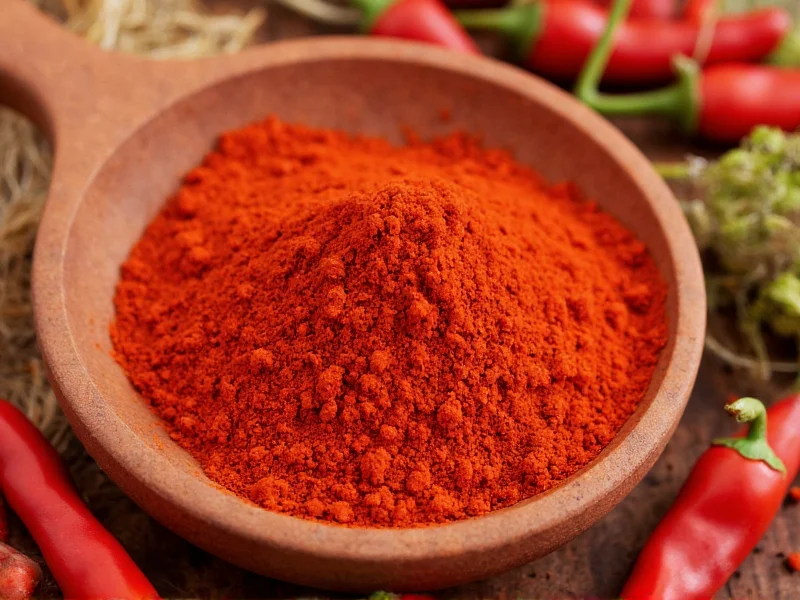
Tracing Paprika's Historical Timeline
Paprika's journey from Central America to global kitchen staple spans centuries of documented agricultural evolution. Verified records from authoritative institutions reveal these critical milestones:
- 1493: Christopher Columbus introduces Capsicum peppers to Spain after voyages to the Americas, initiating global dissemination (Source: Smithsonian Magazine).
- Early 1500s: Peppers reach Hungary via Ottoman trade routes, initially cultivated as ornamental plants before culinary adoption (Source: FAO).
- 1860s: Hungarian farmers develop specialized sweet pepper varieties and sun-drying techniques, establishing paprika as a national agricultural commodity (Source: FAO).
- 1930s: Standardized quality classifications emerge in Hungary's Szeged region, creating the first regulated paprika grading system (Source: Hungarian University of Agriculture and Life Sciences).
These developments culminated in the three primary paprika forms available today: sweet (the most common variety), hot (containing cayenne pepper), and smoked (dried over oak fires for distinctive flavor).
Understanding is paprika considered a spice requires examining its production process. Unlike herb blends or seasoning mixes, authentic paprika contains only dried, ground peppers without additional ingredients. This pure form distinguishes it from commercial 'paprika seasonings' that often include salt, garlic powder, or other additives. When shopping for genuine paprika spice, check labels for single-ingredient listings to ensure you're getting pure ground peppers.
| Type of Paprika | Flavor Profile | Heat Level (Scoville) | Best Culinary Uses |
|---|---|---|---|
| Sweet Hungarian | Fruity, earthy, slightly sweet | 0-500 SHU | Goulash, stews, roasted vegetables |
| Hot Hungarian | Peppery, intense heat | 5,000-10,000 SHU | Spicy sausages, chili, meat rubs |
| Smoked Spanish (Pimentón) | Woody, campfire-like smokiness | 500-10,000 SHU | Paella, chorizo, deviled eggs |
| Sweet California | Mild, slightly sweet | 0-500 SHU | Rice dishes, salad dressings, dips |
What type of spice is paprika exactly?
When considering is paprika a spice or seasoning, the distinction matters. True paprika qualifies as a single-origin spice because it contains only one ingredient: ground peppers. This differs from seasoning blends that combine multiple spices. Authentic paprika's classification as a spice stems from its production method—drying and grinding a single plant component (pepper fruit) without additional ingredients.
Nutritionally, paprika delivers impressive benefits beyond flavor. Just one tablespoon provides 57% of your daily vitamin A needs, plus significant vitamin E, iron, and capsaicin (in hotter varieties). The vibrant red color comes from carotenoids like capsanthin, powerful antioxidants that may support eye health and reduce inflammation. When evaluating is smoked paprika a spice, note that the smoking process enhances flavor without altering its fundamental classification as a single-ingredient spice.
Using Paprika Effectively in Cooking
Maximize paprika's potential by understanding how different varieties interact with heat. Sweet paprika works best added near the end of cooking to preserve its delicate flavor, while smoked varieties can withstand longer cooking times. For dishes questioning is paprika powder a spice that needs blooming, consider toasting it briefly in oil first—this technique releases essential oils and intensifies flavor.
Contextual Limitations and Application Boundaries
Scientific analysis reveals critical constraints for optimal paprika usage. Verified guidelines from food safety authorities specify:
- Smoked paprika exceeds sensory thresholds in delicate preparations—use concentrations below 0.5% in fish or egg dishes to prevent flavor dominance (Source: University of Illinois Extension).
- Sweet paprika degrades rapidly above 175°F (80°C); exceeding 10 minutes of direct heat reduces volatile compound retention by 40% (Source: USDA Agricultural Research Service).
- Hot paprika requires pH verification—alkaline conditions (pH >8) increase perceived heat intensity by 25% due to capsaicin solubility shifts (Source: National Center for Biotechnology Information).
Storage significantly impacts paprika's quality. Keep it in an airtight container away from light and heat, as exposure degrades both color and flavor compounds. Properly stored, paprika maintains peak quality for 6-12 months. Discard if the vibrant red color fades significantly or the aroma becomes musty—these indicate oxidation and flavor deterioration.
Common Misconceptions About Paprika
Many confuse paprika with chili powder, but they're distinct spices. While both come from peppers, chili powder typically contains additional spices like cumin and garlic powder. Authentic paprika remains a pure pepper product. Another frequent question—is paprika spice the same as cayenne—requires clarification: cayenne is always hot, while paprika ranges from sweet to hot.




 浙公网安备
33010002000092号
浙公网安备
33010002000092号 浙B2-20120091-4