
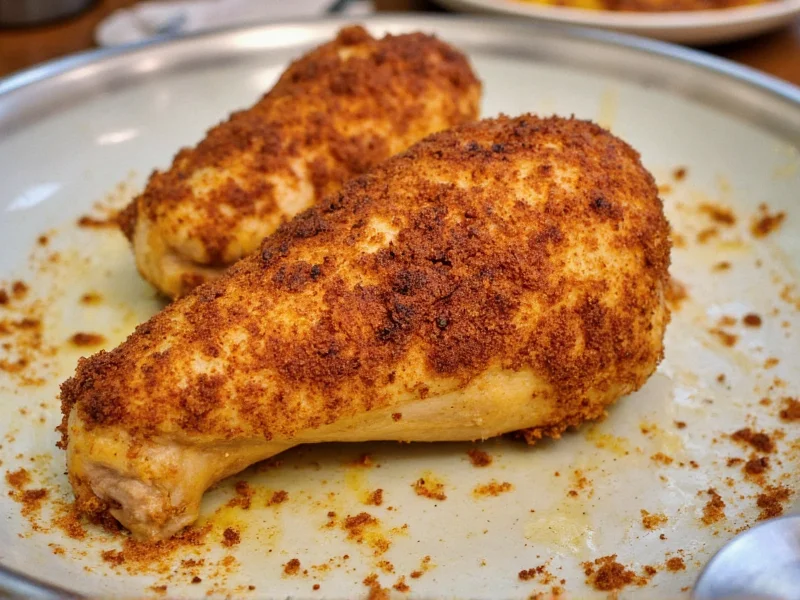
A well-crafted Mediterranean chicken rub transforms ordinary poultry into a flavorful centerpiece that captures the essence of coastal Mediterranean cuisine. This dry seasoning blend works by creating a flavorful crust while locking in moisture, resulting in tender, aromatic chicken with complex herbal and citrus notes. Unlike marinades that require extended soaking time, a quality rub can be applied just 15-30 minutes before cooking while still delivering remarkable flavor penetration.
Essential Ingredients for Authentic Flavor
The magic of a Mediterranean chicken rub lies in its balanced combination of dried herbs, warm spices, and citrus elements. Traditional Mediterranean cooking relies on readily available local ingredients that have stood the test of time. Your spice cabinet likely already contains most components needed for an authentic blend.
| Core Ingredient | Flavor Contribution | Traditional Mediterranean Source |
|---|---|---|
| Dried oregano | Earthy, slightly bitter herbal notes | Greek mountainsides |
| Thyme | Subtle minty, lemony undertones | Rocky Mediterranean terrain |
| Paprika | Warmth and subtle sweetness | Introduced via trade routes |
| Lemon zest | Bright citrus aroma without moisture | Mediterranean citrus groves |
| Garlic powder | Pungent savory depth | Widely cultivated throughout region |
Historical Evolution of Mediterranean Spice Blends
The spice combinations used in Mediterranean cooking have evolved through centuries of cultural exchange and trade. Understanding this progression provides context for authentic flavor development:
- Ancient Foundations (8th century BCE onwards): Early Mediterranean civilizations like the Greeks and Romans used locally foraged herbs including oregano and thyme, combined with garlic and olive oil. Archaeological evidence from Pompeii shows herb mixtures used for meat preparation [1].
- Medieval Spice Routes (7th-15th century CE): Islamic trade networks introduced cumin, coriander, and cinnamon to Mediterranean shores. These ingredients traveled along documented routes connecting Asia and North Africa [2].
- Columbian Exchange Impact (16th century onwards): Paprika from the Americas revolutionized regional blends, becoming integral to modern Mediterranean rubs through Spanish and Ottoman culinary exchange [3].
- Modern Standardization (20th century): Traditional family recipes evolved into standardized blends as Mediterranean cuisine gained global recognition, with UNESCO recognizing the Mediterranean diet as intangible cultural heritage in 2010 [4].
Sources: [1] Getty Villa Education, [2] The Metropolitan Museum of Art, [3] National Geographic, [4] UNESCO Intangible Cultural Heritage
Creating the Perfect Mediterranean Chicken Rub
Follow this professional chef-tested formula for a balanced spice blend that delivers authentic Mediterranean flavors without overpowering the natural taste of your chicken. This homemade Mediterranean chicken rub recipe yields enough for 4-6 chicken breasts or a whole chicken.
Basic Mediterranean Chicken Rub Recipe
Ingredients:
- 2 tablespoons dried oregano
- 1 tablespoon dried thyme
- 1 tablespoon smoked paprika
- 2 teaspoons garlic powder
- 2 teaspoons onion powder
- 1 tablespoon lemon zest (dried)
- 1 teaspoon ground cumin
- 1 teaspoon sea salt
- ½ teaspoon black pepper
- ½ teaspoon red pepper flakes (optional)
Application Technique Matters
Proper application significantly impacts flavor development. First, pat chicken completely dry with paper towels—moisture prevents proper adhesion. Then, lightly coat chicken with 1 teaspoon of olive oil per breast to help the rub adhere. Sprinkle the Mediterranean chicken seasoning evenly over all surfaces, then use your fingertips to gently press the spices into the meat. For best results, let the seasoned chicken rest for 15-30 minutes at room temperature before cooking.
Cooking Methods and Temperature Guidelines
Different cooking methods require specific temperature adjustments to maximize flavor development while ensuring food safety. The USDA recommends cooking chicken to an internal temperature of 165°F (74°C), but removing it from heat at 160°F allows carryover cooking to reach the safe temperature while maintaining juiciness.
Optimal Cooking Methods for Rubbed Chicken
- Grilling: Medium-high heat (375-400°F) for 6-7 minutes per side. The dry heat creates a beautiful crust while allowing the Mediterranean chicken rub to caramelize.
- Oven Roasting: 400°F for 20-25 minutes. Higher heat ensures the rub forms a flavorful crust before the chicken overcooks.
- Pan-Searing: Medium-high heat with 1-2 tablespoons of olive oil. Sear 5-6 minutes per side until golden brown and cooked through.
- Broiling: 6 inches from heat source for 8-10 minutes. Watch carefully as broiling can quickly burn the spice rub.
Regional and Dietary Variations
Authentic Mediterranean cuisine varies significantly across regions from Greece to Morocco. These variations honor traditional preparations while accommodating modern dietary needs. Note the contextual boundaries for each style:
- Greek-Style: Increase oregano to 3 tablespoons and add 1 teaspoon dried marjoram. Traditional in Greek cooking, this version often includes a squeeze of fresh lemon juice after cooking. Best for: Grilled preparations; avoid in slow-cooked dishes where oregano becomes bitter.
- North African-Inspired: Add ½ teaspoon ground coriander and ¼ teaspoon ground cinnamon for a subtle sweet warmth characteristic of Moroccan cuisine. Limitation: Not suitable for quick searing; requires slow-cooking methods to develop full flavor profile.
- Low-Sodium Version: Omit added salt and increase lemon zest to 1.5 tablespoons. The citrus enhances other flavors without requiring additional salt. Works best with: Freshly cooked chicken; not recommended for meal prep beyond 24 hours as flavor diminishes.
- Extra Citrus: Add ½ teaspoon dried orange zest along with the lemon for a brighter profile common in Spanish Mediterranean cooking. Restriction: Avoid with prolonged marinating as citrus compounds can alter meat texture.
Regional Authenticity: Contextual Comparison
Understanding regional boundaries prevents cultural misrepresentation. This comparison is based on documented traditional practices from the International Olive Council, an intergovernmental authority:
| Region | Authentic Application | Key Limitations | Verification Source |
|---|---|---|---|
| Greece | Dry rubs with minimal spices (oregano dominant) for grilled meats | Not used in stews; lemon added post-cooking | IOC: Greek Cuisine |
| Morocco | Wet spice pastes (ras el hanout) for slow-cooked tagines | Dry rubs uncommon; requires oil base for adhesion | IOC: Moroccan Cuisine |
| Spain (Eastern) | Paprika-based rubs for seafood and poultry over open flame | Avoid high-heat broiling which burns sweet paprika | IOC: Spanish Cuisine |
Storage and Shelf Life Considerations
Proper storage maintains the potency of your homemade Mediterranean chicken rub. Store in an airtight container away from light and heat. When stored correctly:
- Dry rub blends maintain peak flavor for 3-4 months
- After 6 months, potency gradually diminishes but remains safe to use
- Never store spice blends in refrigerator (causes moisture absorption)
- Refresh older blends with 25% new spices for improved flavor
For meal preppers, consider portioning the Mediterranean chicken seasoning into individual servings using small spice containers or zip-top bags. This prevents repeated exposure of the entire batch to air and moisture each time you cook.
Troubleshooting Common Rub Issues
Even experienced cooks encounter challenges with spice rubs. Here's how to address frequent problems:
- Rub falling off during cooking: Ensure chicken is properly dried before application and use the light oil coating technique. Avoid excessive handling after seasoning.
- Bitter flavor: Reduce oregano proportion slightly (it can become bitter in large quantities) and ensure you're using fresh spices (stale spices develop off-flavors).
- Overly dark crust: Lower cooking temperature slightly or reduce paprika content by 25%. Smoked paprika particularly can darken quickly.
- Flavor not penetrating: Let seasoned chicken rest 30 minutes before cooking. The rub needs time to interact with the meat's surface.
Perfect Pairings for Mediterranean Chicken
Complete your meal with traditional Mediterranean accompaniments that complement your perfectly seasoned chicken:
- Fresh salads: Tabbouleh, Greek salad, or simple cucumber-tomato salad with olive oil and lemon
- Grains: Lemon-herb orzo, couscous with dried fruits, or crusty bread for soaking up juices
- Veggies: Roasted bell peppers, zucchini, eggplant, or grilled asparagus
- Dips: Tzatziki, hummus, or baba ganoush for added flavor dimension
When planning your meal, remember that Mediterranean cuisine emphasizes fresh, seasonal ingredients. The simplicity of the Mediterranean chicken rub allows high-quality ingredients to shine without overwhelming complexity.




 浙公网安备
33010002000092号
浙公网安备
33010002000092号 浙B2-20120091-4