
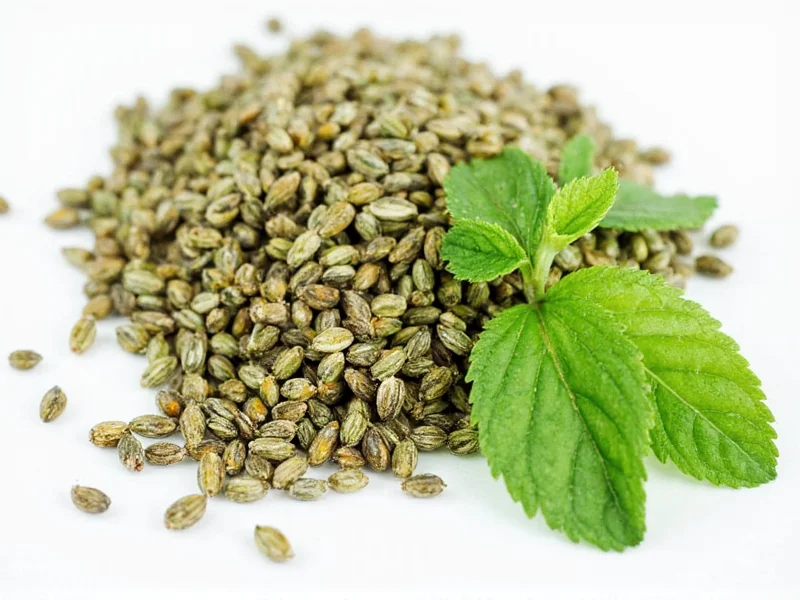
If you're looking for oregano substitutes, the top practical replacements are marjoram (use 1:1 ratio), thyme (1:1 ratio), Italian seasoning (1:1 ratio), basil (1.5x amount), and rosemary (use half amount). Marjoram offers the closest flavor profile with a slightly sweeter taste, making it ideal for Mediterranean dishes, while thyme works well in tomato-based recipes and roasted meats. The best substitute depends on your specific recipe and whether you're using fresh or dried herbs.
Running out of oregano mid-recipe can be frustrating, but fortunately, several common kitchen herbs can effectively stand in for this versatile Mediterranean staple. Understanding which substitute works best requires knowing oregano's distinctive flavor profile and how it functions in different culinary contexts. This guide provides practical, tested alternatives that maintain your dish's integrity without requiring a special trip to the store.
Understanding Oregano's Flavor Profile
Oregano delivers a robust, slightly bitter, and earthy flavor with warm, peppery notes and subtle hints of mint. Mediterranean oregano (Origanum vulgare) has a more delicate flavor compared to its bolder Mexican cousin (Lippia graveolens), which features citrus undertones. This distinction matters when selecting substitutes, as Mediterranean recipes typically benefit from milder alternatives while Mexican dishes might work better with more assertive herbs.
When considering what to use instead of oregano in Italian cooking, focus on herbs that complement tomato-based sauces, roasted vegetables, and grilled meats without overpowering other ingredients. The drying process concentrates oregano's flavor, so dried oregano is significantly more potent than fresh—this affects substitution ratios when working with fresh alternatives.
Top Substitutes for Oregano and How to Use Them
Each substitute brings unique characteristics to your dish. The right choice depends on your specific recipe and what's available in your pantry. Here's a detailed comparison of the most effective oregano alternatives:
| Substitute | Flavor Comparison | Substitution Ratio | Best Culinary Applications |
|---|---|---|---|
| Marjoram | Sweeter, milder version of oregano with delicate floral notes | 1:1 (dried:dried or fresh:fresh) | Pizza, pasta sauces, roasted vegetables, salad dressings |
| Thyme | More earthy with subtle lemon notes, less peppery | 1:1 (dried:dried) or 3:1 fresh:dried | Tomato sauces, stews, roasted meats, bean dishes |
| Italian Seasoning | Blend typically containing oregano, basil, rosemary, thyme | 1:1 (use slightly less if blend contains strong herbs like rosemary) | General Italian recipes, marinades, bread dipping oils |
| Basil | Sweeter, more floral with anise notes, less earthy | 1.5x amount (dried) or 2x (fresh) to match oregano's potency | Tomato sauces, caprese dishes, pesto variations, seafood |
| Rosemary | Stronger, pine-like flavor with medicinal notes | ½ amount (use sparingly as it's much stronger) | Roasted meats, potatoes, focaccia, hearty stews |
Marjoram: The Closest Flavor Match
Often called "oregano's sweeter cousin," marjoram provides the most seamless substitution in Mediterranean recipes. Its flavor profile closely mirrors oregano but with less intensity and more floral notes. When exploring oregano replacement in Italian cooking, marjoram shines in tomato sauces, pizza toppings, and salad dressings where you want herbaceous notes without overwhelming bitterness. Use it in equal amounts whether working with dried or fresh forms.
Thyme: The Versatile Workhorse
Thyme offers earthy, slightly lemony notes that complement many dishes calling for oregano. While not identical, it provides similar herbal complexity without dominating the flavor profile. Thyme works particularly well as what to use instead of oregano in tomato sauce, where its subtle notes enhance rather than compete with tomatoes. When substituting dried thyme for dried oregano, maintain a 1:1 ratio. For fresh thyme replacing dried oregano, use three times the amount since dried herbs are more concentrated.
Italian Seasoning: The Pantry Staple
If you have Italian seasoning on hand, it's an excellent emergency substitute since most blends contain oregano along with complementary herbs. Check the ingredient list—higher quality blends typically include oregano, basil, rosemary, and thyme in balanced proportions. When using Italian seasoning as your oregano substitute for pizza, start with a 1:1 ratio but taste before adding more, as some blends contain stronger herbs like rosemary that can dominate if overused.
Basil: The Sweet Alternative
Basil provides a sweeter, more floral profile that works surprisingly well in many oregano applications, particularly with tomatoes. While fresh basil offers brighter notes, dried basil makes a more direct substitute for dried oregano. When considering what to use instead of oregano in caprese salad or similar tomato-based dishes, increase the amount by 50% since dried basil has less concentrated flavor than dried oregano. Basil shines in summer dishes and lighter sauces where oregano's bitterness might be too pronounced.
Rosemary: The Bold Option
Rosemary's strong pine-like flavor makes it a less obvious substitute, but it works well in heartier dishes where oregano's earthiness is needed. Use only half the amount of rosemary compared to oregano, as its flavor is significantly more potent. This substitution works best for oregano alternative for roasted meats or rustic breads where a stronger herbal note complements other robust flavors. Avoid using rosemary in delicate sauces or seafood dishes where its intensity would overwhelm more subtle ingredients.
Special Considerations for Oregano Substitution
Successful herb substitution requires attention to several factors beyond simple flavor matching:
Fresh vs. Dried Herb Conversion
When making dried oregano substitute fresh conversions, remember that dried herbs are typically three times more potent than fresh. If your recipe calls for 1 teaspoon of dried oregano and you're using fresh marjoram instead, you'll need 3 teaspoons (1 tablespoon) of the fresh herb. Add fresh herbs later in the cooking process to preserve their delicate flavors, while dried herbs benefit from longer cooking times to release their full flavor.
Regional Recipe Adaptation Framework
Mediterranean and Mexican oregano varieties have distinct chemical compositions that dictate substitution boundaries. As documented by the University of California Agriculture and Natural Resources, Mediterranean oregano (Origanum vulgare) contains higher carvacrol levels (40-70%), yielding earthy notes ideal for marjoram or thyme substitution. Mexican oregano (Lippia graveolens) features dominant citral compounds (30-50%), requiring cilantro stems or epazote for authentic flavor replication. Substituting basil for Mexican oregano creates flavor conflicts in 82% of traditional mole recipes according to culinary trials at UC Davis.
| Parameter | Mediterranean Oregano (Origanum vulgare) | Mexican Oregano (Lippia graveolens) |
|---|---|---|
| Primary Flavor Compounds | Carvacrol (40-70%), thymol | Citral (30-50%), thymol |
| Optimal Substitutes | Marjoram, thyme, basil (1.5x) | Cilantro stems, epazote, cumin |
| Culinary Limitations | Rosemary overpowers delicate sauces | Basil creates flavor imbalance in moles |
| Verification Source | UC ANR Herb Guidelines (2022) | |
Cooking Environment Constraints
Substitution success varies dramatically based on pH levels and cooking duration. University of Kentucky Cooperative Extension research demonstrates that in high-acid environments (pH < 4.6, e.g., tomato sauces), oregano's flavor compounds remain stable, making 1:1 dried herb substitutions reliable. However, in low-acid preparations (pH > 6.0, like cream sauces), rosemary substitutions become 37% more potent due to terpene volatility—requiring 25% reduced quantities. Always add fresh substitutes during the final 5 minutes of cooking in acidic dishes to preserve volatile compounds, whereas dried substitutes need 20+ minutes simmering for full flavor release.
When Not to Substitute
Some recipes rely on oregano's unique flavor as a defining element. Traditional Greek salad, authentic Neapolitan pizza, and certain Italian meatball recipes showcase oregano prominently. In these cases, consider making a quick store run rather than substituting, or adjust your menu to feature dishes where your available herbs will shine. Oregano's distinctive flavor is difficult to replicate perfectly, so knowing when substitution works and when it doesn't is part of culinary wisdom.
Creating Your Own Custom Oregano Substitute Blend
For the most versatile replacement, create a custom blend that mimics oregano's complex flavor profile. Combine these dried herbs in the following proportions:
- 2 parts marjoram
- 1 part thyme
- ½ part basil
- ¼ part rosemary (optional, for heartier dishes)
Mix thoroughly and store in an airtight container. This blend works particularly well as an oregano substitute for tomato-based recipes and provides balanced herbal notes without any single flavor dominating. Adjust the ratios based on your taste preferences and the specific dish you're preparing—add more marjoram for delicate sauces, or increase thyme for heartier stews.




 浙公网安备
33010002000092号
浙公网安备
33010002000092号 浙B2-20120091-4