
Understanding which foods contain hydrogenated fats is crucial for making informed dietary choices. Hydrogenated fats—especially partially hydrogenated oils—are artificial trans fats linked to increased heart disease risk. Though largely phased out, they still appear in some products due to manufacturing timelines and labeling thresholds.
What Exactly Are Hydrogenated Fats?
Hydrogenated fats are created when hydrogen is added to liquid vegetable oils to make them more solid. This industrial process extends shelf life and improves texture but creates trans fats, which raise bad (LDL) cholesterol while lowering good (HDL) cholesterol.
There are two types:
- Partially hydrogenated oils (PHOs): Contain trans fats and were the primary source in our food supply
- Fully hydrogenated oils: Contain no trans fats but convert to stearic acid, which has different metabolic effects
| Type | Trans Fat Content | Common Food Applications | Health Impact |
|---|---|---|---|
| Partially Hydrogenated Oils | High (0.5g+ per serving) | Baked goods, fried foods, snacks | Increases heart disease risk |
| Fully Hydrogenated Oils | Negligible | Some dairy alternatives, candy coatings | Neutral or minimal impact |
| Non-Hydrogenated Alternatives | None | Modern baked goods, healthier snacks | Better heart health profile |
Why Hydrogenated Fats Matter for Your Health
The American Heart Association recommends limiting trans fats to less than 1% of total daily calories. For a 2,000-calorie diet, that's no more than 2 grams of trans fats per day. Consuming just 2% of calories from trans fats (about 4 grams) increases heart disease risk by 23%.
Unlike saturated fats, which occur naturally in some foods, artificial trans fats provide no health benefits and significant risks. The FDA determined that PHOs are not generally recognized as safe (GRAS), leading to their phase-out.
Common Foods Still Containing Hydrogenated Fats
Despite regulatory changes, these food categories remain most likely to contain hydrogenated oils:
1. Baked Goods and Pastries
Commercially prepared baked items often use hydrogenated fats for texture and shelf stability:
- Ready-to-eat pie crusts (both refrigerated and frozen)
- Cream-filled snack cakes
- Some cookies and crackers (particularly generic/store brands)
- Pastries from smaller bakeries not yet reformulated
2. Fried Foods
Fried foods at certain establishments may still use partially hydrogenated oils:
- Deep-fried items at smaller restaurants and food trucks
- Some movie theater popcorn
- Pre-fried frozen foods (check labels)
3. Non-Dairy Products
These products historically relied on hydrogenated oils for texture:
- Non-dairy coffee creamers (powdered versions are most likely)
- Certain whipped toppings
- Some dairy-free cheese alternatives
4. Snack Foods
Particularly in products manufactured before full compliance:
- Certain microwave popcorn varieties
- Some candy bars with酥脆 coatings
- Specific branded snack chips
Timeline of Hydrogenated Fat Regulation
Understanding the regulatory timeline explains why some products still contain these fats:
- 2006: FDA requires trans fat labeling on Nutrition Facts panels
- 2013: FDA determines PHOs are not GRAS
- 2015: FDA sets compliance deadline of June 18, 2018 for most products
- 2018: Compliance deadline for most foods; extended to 2019 for certain uses
- 2023: FDA continues monitoring for non-compliant products
Products manufactured before these deadlines could remain on shelves until sold through, which explains why you might still find some items containing PHOs. According to the FDA, "food manufacturers can no longer add PHOs to foods, but some products made before the compliance dates might still be available for purchase."
How to Spot Hydrogenated Fats on Labels
Reading labels carefully is essential for avoiding hydrogenated fats:
Check the Ingredient List
Look for these terms:
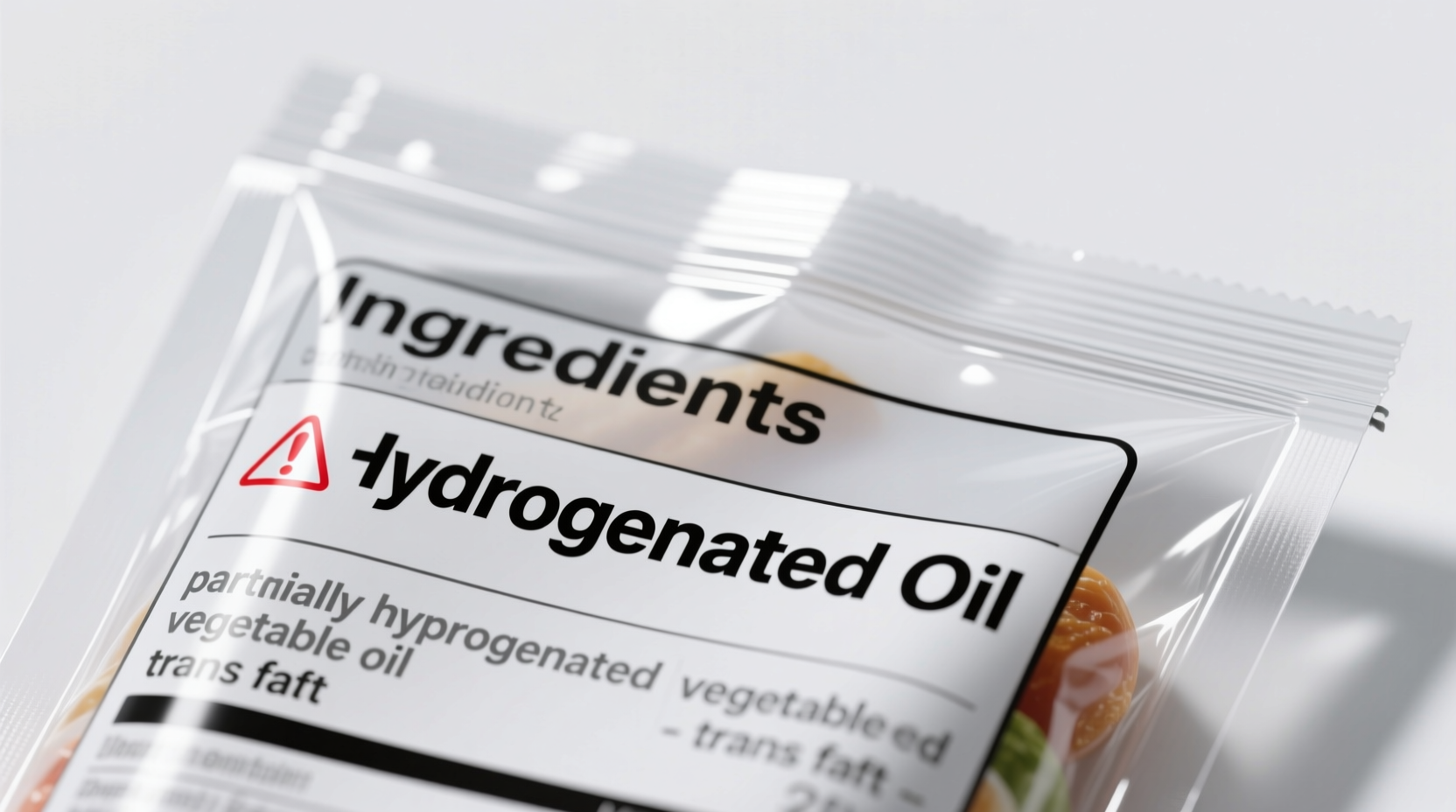
- "Partially hydrogenated [oil]" (soybean, cottonseed, palm, etc.)
- "Shortening" (unless specified as non-hydrogenated)
- "Hydrogenated [oil]" (fully hydrogenated contains no trans fats but may indicate older formulation)
Understand Labeling Loopholes
Be aware of these labeling practices:
- Foods can claim "0g trans fat" if they contain less than 0.5g per serving
- Multiple servings might exceed safe limits
- "No trans fat" claims don't guarantee absence of hydrogenated oils
Practical Strategies for Avoiding Hydrogenated Fats
Implement these actionable steps to minimize your exposure:
When Shopping
- Always check ingredient lists, not just Nutrition Facts panels
- Choose products labeled "non-hydrogenated" or "trans fat free" with verified ingredient lists
- Opt for brands that specifically state they've eliminated PHOs
When Eating Out
- Ask about frying oils at restaurants, particularly fast food establishments
- Choose grilled instead of fried options
- Be cautious with bakery items from smaller establishments that may not have reformulated
Healthier Alternatives
- Use liquid oils (olive, canola, avocado) instead of solid fats for cooking
- Choose nut butters with just nuts and salt (no hydrogenated oils)
- Make homemade baked goods using non-hydrogenated fats
- Opt for real dairy products instead of non-dairy alternatives when possible
Context Matters: When Small Amounts May Still Appear
It's important to understand the context around hydrogenated fats in today's food supply:
- Compliance timelines: Some products made before 2018 deadlines remained in distribution
- Small business exemptions: Some smaller manufacturers received extended compliance periods
- Natural trans fats: Small amounts occur naturally in some dairy and meat products (not from hydrogenation)
- Accidental presence: Cross-contamination in manufacturing facilities
The CDC reports that trans fat consumption in the U.S. has decreased by approximately 78% since the FDA's labeling requirement, but vigilance remains important for those with specific health concerns.
Final Thoughts on Navigating Hydrogenated Fats
While the food industry has largely eliminated artificial trans fats, staying informed about which foods have hydrogenated fats remains valuable for making heart-healthy choices. By understanding labeling practices, recognizing high-risk food categories, and knowing how to identify hydrogenated oils in ingredients, you can effectively minimize your exposure to these harmful fats.
Frequently Asked Questions
Are all hydrogenated fats bad for you?
Fully hydrogenated oils contain no trans fats and are primarily stearic acid, which has a neutral effect on cholesterol. The concern is specifically with partially hydrogenated oils (PHOs), which contain artificial trans fats linked to heart disease. The FDA has banned PHOs from the food supply due to their health risks.
Can I trust "0g trans fat" labels on food packaging?
Not completely. Foods can list 0g trans fat if they contain less than 0.5g per serving. If you consume multiple servings or several products with "hidden" trans fats, you could exceed recommended limits. Always check the ingredient list for "partially hydrogenated oils" regardless of the trans fat listing.
Do restaurant foods still contain hydrogenated fats?
Some restaurants, particularly smaller establishments or food trucks, may still use partially hydrogenated oils, especially for frying. Large restaurant chains have largely eliminated them due to earlier regulations. When dining out, you can ask about their frying oils or choose grilled rather than fried options to minimize potential exposure.
What's the difference between hydrogenated and partially hydrogenated oils?
Partially hydrogenated oils contain trans fats because the hydrogenation process wasn't completed. Fully hydrogenated oils have undergone complete hydrogenation, converting nearly all unsaturated fats to saturated fats (primarily stearic acid) with no trans fats remaining. Only partially hydrogenated oils are considered harmful and have been banned by the FDA.
How can I identify hydrogenated fats when they're not clearly labeled?
Check for terms like "shortening," "vegetable shortening," or "hydrogenated [oil type]" in the ingredients list. Products with long shelf lives that remain solid at room temperature (like some peanut butters or baked goods) are more likely to contain hydrogenated fats. When in doubt, contact the manufacturer directly for clarification about their oil usage.




 浙公网安备
33010002000092号
浙公网安备
33010002000092号 浙B2-20120091-4