
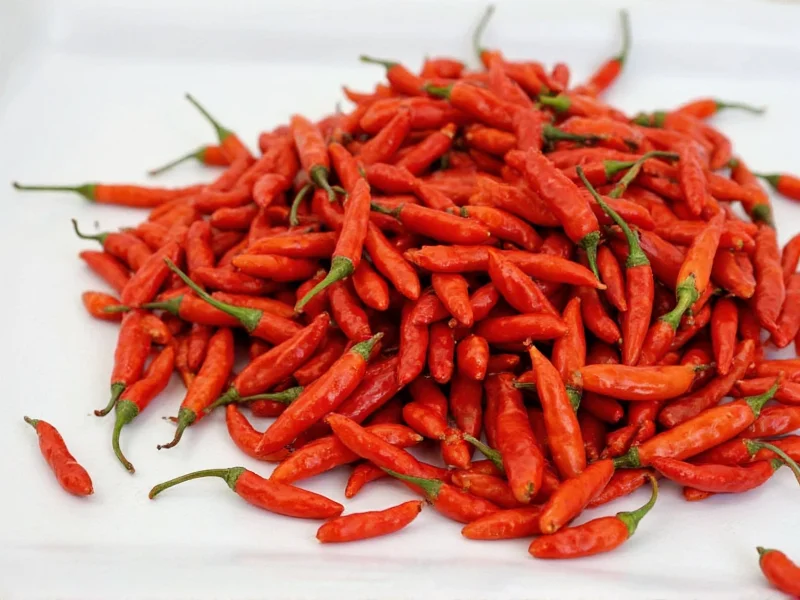
Drying chili peppers is a time-honored preservation technique that concentrates flavor while extending shelf life. Whether you've harvested your own garden bounty or purchased a surplus at peak season, proper drying transforms fresh peppers into versatile culinary ingredients that can be used whole, crushed, or powdered throughout the year. This comprehensive guide details proven methods that home cooks and gardening enthusiasts can implement with minimal equipment.
Why Dry Chili Peppers?
Drying chili peppers serves multiple purposes beyond simple preservation. The dehydration process intensifies capsaicin concentration, creating more potent heat in a smaller package. Research from New Mexico State University confirms that temperatures exceeding 140°F (60°C) degrade capsaicin and volatile flavor compounds, explaining why low-temperature methods like air drying preserve heat intensity more effectively than high-heat alternatives. Dried peppers develop complex flavor profiles that differ from their fresh counterparts, with some varieties gaining smoky or fruity notes during the drying process. Additionally, dried chilies take up significantly less storage space than fresh peppers while maintaining nutritional value, including vitamin C and antioxidants, for months or even years when properly stored.
Preparing Chili Peppers for Drying
Successful drying begins with proper preparation. Select fully ripe, blemish-free peppers at their peak color for optimal flavor and heat. Wash peppers thoroughly under cool running water and pat completely dry with clean towels. For most drying methods, leave stems intact as they provide convenient hanging points. If using a dehydrator or oven method, slice larger peppers lengthwise to expose the inner flesh and seeds, which accelerates drying. Never wash peppers immediately before air drying, as residual moisture promotes mold during the extended drying period.
Drying Methods Compared
| Method | Time Required | Equipment Needed | Best For | Key Considerations |
|---|---|---|---|---|
| Air Drying | 1-3 weeks | String, needle, well-ventilated space | Small to medium peppers (chiltepin, cayenne) | Requires low humidity environment; monitor for mold |
| Food Dehydrator | 6-12 hours | Dehydrator, trays | All pepper types | Set to 125°F (52°C); rotate trays periodically |
| Oven Drying | 4-12 hours | Oven, baking sheets, parchment paper | Immediate drying needs | Use lowest setting (140-170°F); keep door slightly ajar |
| Sun Drying | 3-7 days | Screen trays, cheesecloth | Dry climates only | Bring indoors at night; protect from insects and dew |
Method selection depends critically on environmental conditions. The National Center for Home Food Preservation emphasizes that air and sun drying require consistent relative humidity below 60% to prevent microbial growth, making dehydrators essential in humid regions. In arid climates like the Southwestern U.S., traditional sun drying succeeds when combined with nighttime storage to avoid dew absorption, while coastal areas with high humidity demand controlled methods like dehydrators for reliable results.
Detailed Drying Instructions
Air Drying Method (Traditional Ristra Technique)
Originating from Native American and Hispanic traditions in the American Southwest, the ristra method evolved over centuries as an adaptation to arid environments. New Mexico State University's agricultural research documents how this technique maximizes natural ventilation in low-humidity conditions, with historical evidence showing its use by Pueblo communities as early as the 1500s. Thread a needle with strong cotton string or dental floss and carefully pierce through the stem end of each pepper. String peppers close together but not touching, leaving enough string at both ends for hanging. Hang the ristra in a warm, dry, well-ventilated area away from direct sunlight. Ideal conditions include temperatures between 70-80°F (21-27°C) with humidity below 60%. Check weekly for mold development, especially in humid climates. This method preserves essential oils better than heat-based methods, resulting in superior flavor for traditional recipes.
Food Dehydrator Method
For consistent results, the food dehydrator method offers precise temperature control. Arrange prepared peppers in a single layer on dehydrator trays, ensuring pieces don't overlap. Set the dehydrator to 125°F (52°C) and allow peppers to dry for 6-12 hours, checking periodically after the 6-hour mark. Rotate trays every few hours for even drying. Peppers are complete when they become brittle and snap easily rather than bending. This method works particularly well for the best way to dry chili peppers at home when consistent results are important, and it's ideal for drying large batches efficiently.
Oven Drying Technique
Oven drying provides a quick alternative when other equipment isn't available. Preheat your oven to its lowest setting, ideally between 140-170°F (60-77°C). Arrange pepper halves cut-side up on baking sheets lined with parchment paper. Prop the oven door open slightly with a wooden spoon to allow moisture to escape. Check peppers every hour after the first two hours. Most peppers require 4-12 hours to dry completely. This method requires close monitoring to prevent scorching, which destroys flavor compounds. It's an excellent solution for those wondering how long to dry chili peppers in oven for immediate use.
Proper Storage of Dried Chili Peppers
Correct storage determines how long your dried peppers maintain quality. Before storage, ensure peppers are completely brittle with no flexible sections remaining. Store whole dried peppers in airtight glass jars away from light and heat sources. For longer preservation, vacuum-seal peppers with oxygen absorbers. Properly stored dried chilies maintain peak quality for 1-2 years, though they remain safe to consume much longer. Check stored peppers periodically for moisture condensation or mold development, especially during seasonal humidity changes. Understanding storing dried chili peppers long term techniques ensures your preserved harvest remains potent and flavorful.
Troubleshooting Common Drying Problems
Mold development during drying typically indicates insufficient air circulation or high humidity. If mold appears, discard affected peppers immediately to prevent contamination. Peppers that feel leathery rather than brittle haven't dried completely and will spoil in storage. In this case, return them to the drying process. Over-dried peppers become excessively brittle and lose flavor complexity; this usually occurs with oven drying when temperatures are too high. The difference between dehydrating and oven drying chili peppers often comes down to temperature control and drying time, with dehydrators providing more consistent results for beginners.
Creative Uses for Dried Chili Peppers
Dried chilies offer culinary versatility beyond simple rehydration. Crush them into flakes for immediate use, or grind into powder for spice blends. Reconstitute dried peppers by soaking in hot water for 20 minutes before using in sauces and stews. Create infused oils by steeping dried chilies in warm oil for several hours. Whole dried peppers make attractive decorative elements in kitchen spaces while remaining functional ingredients. Understanding how to tell when chili peppers are fully dried ensures you achieve the right texture for your intended culinary application.




 浙公网安备
33010002000092号
浙公网安备
33010002000092号 浙B2-20120091-4